Plants
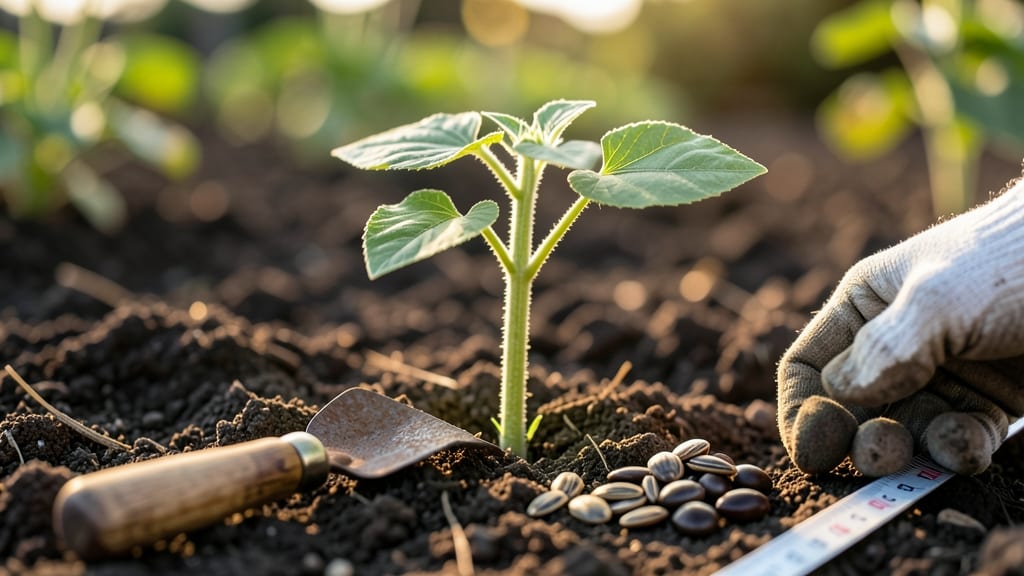
To plant sunflower seeds outside, wait until the soil warms to at least 50°F after your last frost date — typically mid-April in USDA Zone 6a.
Sunflowers bring vibrant color and joy to any garden—but timing their outdoor planting wrong can mean stunted growth or no blooms at all. Get the exact frost-free deadlines for your USDA zone to ensure your sunflower seeds thrive from seed to towering beauty.
Most gardeners in cooler climates miss the mark by planting too early, only to watch their seeds rot in cold soil. The key is checking soil temperature, not just calendar dates, and adjusting for late frosts.
In this guide, you’ll find the perfect planting window for your region, plus tips for protecting seedlings and choosing the right varieties. Let’s get those 🌻 seeds in the ground the right way!
USDA zone planting deadlines for sunflower seeds
Sunflowers thrive when planted at the right time, but their exact frost-free deadlines depend on your USDA zone and soil temperature. Planting too early in cold soil can delay germination, while waiting too long may cut your growing season short.
Let's break down the ideal planting windows by zone to maximize your sunflower's potential.
Sunflower seeds need soil temperatures above 50°F to germinate properly. In northern climates (zones 3-5), you may need to wait until late May or even early June.
Meanwhile, gardeners in zones 8-10 can plant as early as March or April. Always check your last frost date and adjust for unpredictable spring weather.
Here's your zone-by-zone planting guide with exact deadlines and soil temperature requirements:
| USDA Zone | Last Frost Date | Planting Deadline | Soil Temp Requirement | Notes |
|---|---|---|---|---|
| 3-4 | Mid-May | Late May to early June | 55-60°F | Use row covers for early starts |
| 5 | Early May | Early to mid-May | 50-55°F | Consider container growing |
| 6 | Mid-April | Late April to early May | 50°F minimum | Fast varieties recommended |
| 7 | Early April | Mid-April | 50°F minimum | Can plant early dwarf varieties |
| 8 | Mid-March | Late March to early April | 50°F minimum | Longer growing season options |
| 9-10 | February | March | 50°F minimum | Can plant twice yearly |
For gardeners in zones 3-5, I recommend starting seeds indoors 4-6 weeks before your planting deadline to give them a head start. Place seeds in biodegradable pots with seed-starting mix and keep them under grow lights until soil warms. Transplant outdoors only after nighttime temperatures stay above 55°F consistently.
In zones 6-7, you can direct-sow seeds after your last frost date, but wait until soil temperatures reach at least 50°F. Use a soil thermometer to check - sunflowers won't germinate well in cold soil.
If your spring is unpredictable, consider planting staggered batches every 2 weeks for continuous blooms.
Gardeners in zones 8-10 have the most flexibility. You can plant sunflower seeds as early as March, but wait until soil warms to 55°F for faster germination.
In these warmer climates, you can even try a fall planting in September for winter interest - just choose varieties with 60-75 day maturity to finish before frost.
Remember that soil temperature matters more than air temperature. A sunny day might make the air feel warm, but your soil could still be too cold for germination. Always check with a soil thermometer or wait until you can push your hand 2-3 inches deep without feeling cold.
This simple check can save you from wasted seeds and disappointment.
Pro tip: If you're in a transition zone (like 6b or 7a), consider using black plastic mulch to warm the
How to adjust sunflower planting for late frosts and unpredictable weather
Late frosts and unpredictable spring weather can turn your sunflower dreams into disappointment—but with the right strategies, you can still grow those towering bright blooms. Sunflowers are resilient, but they need consistent warmth to thrive.
When unexpected frosts threaten, these protective tactics will save your seedlings and ensure a full-season harvest.
First, check your local frost dates and adjust your planting timeline. If your area has a history of late frosts, start seeds indoors 2–3 weeks before the last expected frost date. This gives you a head start to transplant hardened-off seedlings once the danger has passed.
For USDA Zones 3–5, this might mean starting seeds in late April or early May, even if your frost-free date is in mid-May.
⚠️ WARNING: Planting Sunflowers Too Early ⚠️
⚠️ If late frosts are forecasted after planting: Cover seedlings with a lightweight row cover or frost cloth to protect them. Secure edges with soil or bricks to prevent wind damage. Remove covers during the day to allow sunlight and air circulation.
Another smart move is staggered planting. Instead of sowing all your seeds at once, plant a portion every 10–14 days until your last frost date. This spreads out your harvest and reduces the risk of losing an entire crop to a single late frost. For example, in Zone 4, you might plant seeds on May 1, May 15, and June 1 to ensure continuous blooms.
For gardeners in high-risk frost zones, consider growing sunflowers in containers. Large pots (at least 12 inches deep) give you mobility—move them to a sheltered spot or indoors near a sunny window if frost is predicted.
Dwarf varieties like 'Teddy Bear' or 'Moulin Rouge' thrive in containers and are perfect for small spaces or balconies.
If you’re already dealing with frost-damaged seedlings, don’t give up! Sunflowers are incredibly hardy. Cut back any blackened or mushy stems to healthy green tissue, and the plant will often regrow.
Focus on keeping the soil moist and providing full sun to help the plant recover quickly. Within a few weeks, you’ll see new growth emerging.
Finally, choose fast-maturing varieties for short seasons or late starts. Varieties like 'Autumn Beauty' or 'Mammoth' (with a 60–75 day maturity) can still produce blooms even if planted late.
Pair this with consistent watering and a balanced fertilizer, and you’ll enjoy sunflowers well into fall—no matter what Mother Nature throws your way.