Plants
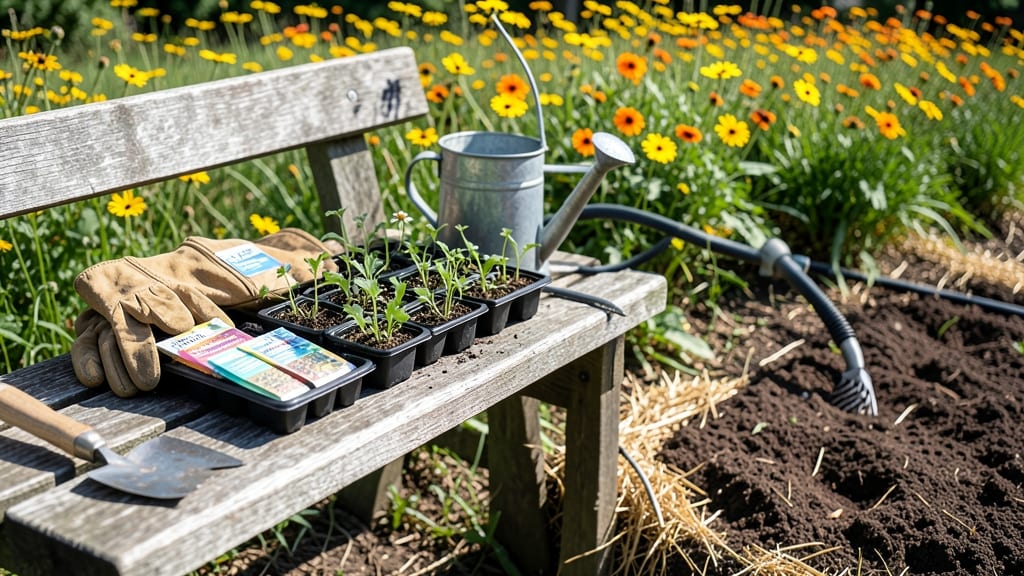
To plant wildflower seeds in Florida, aim for fall or early spring when cooler temps and steady rain create perfect germination conditions 🌼 — but timing varies wildly by region, from the Panhandle’s dry winters to the Keys’ year-round warmth.
If you’ve ever scattered seeds in summer only to watch them bake under the sun or drown in a sudden downpour, you know how critical the right window is. Florida’s climate isn’t one-size-fits-all, and planting at the wrong time can leave you with patchy blooms—or worse, no blooms at all.
This guide breaks down the best months by zone, from North Florida’s frost-free windows to South Florida’s hurricane-ready schedules, plus soil prep tricks and sunlight secrets to turn your patch into a pollinator paradise.
You’ll learn how to choose seeds that thrive in your microclimate, whether you’re restoring native habitat or just adding color to a sunny corner—without the guesswork.
Florida wildflower planting calendar by region: best months for each climate zone
Florida’s diverse climate zones create unique opportunities for wildflower enthusiasts. From the cool winters of North Florida to the tropical warmth of the Keys, each region offers distinct planting windows. Understanding these zones helps you choose the right time to plant for year-round blooms and thriving meadows.
Wildflowers thrive when planted during periods of moderate temperatures and consistent rainfall. In Florida, this typically means avoiding the peak summer heat and aligning with natural rainfall cycles. Native species like Black-Eyed Susan and Coreopsis flourish when sown at the right time, ensuring vibrant displays throughout the year.
Below is a detailed breakdown of the best planting months for each of Florida’s five climate zones. These recommendations account for frost-free periods, rainfall patterns, and seasonal blooming cycles to maximize success and minimize stress on young plants.
For North Florida (Zones 8a-8b), the ideal planting window spans from late winter to early spring (February to April). This region experiences occasional light frosts, so planting after the last frost date ensures healthy germination.
The Central Florida (Zones 9a-9b) zone benefits from planting in fall (September-October) and early spring (March-April). Fall planting takes advantage of cooler temperatures and increased rainfall, while spring planting avoids the intense summer heat.
South Florida (Zones 10a-10b) and the Panhandle (Zone 8a) have distinct needs. South Florida can plant year-round, but the best times are spring (March-May) and fall (September-November). The Panhandle, with its cooler winters, thrives with spring (March-May) and early fall (August-September) plantings.
The Florida Keys (Zone 11) enjoy a tropical climate, allowing for year-round planting. However, the best results come from planting in early spring (March-April) and late summer (August-September), aligning with natural rainfall patterns and avoiding hurricane season.
In North Florida, where temperatures can drop below freezing, planting after the last frost date (typically mid-March) ensures seeds germinate in warmer soil. Preparing the soil in late winter with compost helps create an ideal environment for seedling growth.
Central Florida’s mild winters and hot summers make fall and spring the best times to plant. Fall planting allows seeds to establish roots before summer heat arrives, while spring planting ensures vibrant summer blooms when pollinators are most active.
For South Florida, where the climate is nearly frost-free, planting in spring and fall avoids the intense summer heat and hurricane season. These months provide optimal rainfall and moderate temperatures for seed germination and early growth.
The Panhandle’s unique climate blends elements of both North and South Florida. Planting in spring and early fall takes advantage of cooler temperatures and higher humidity, reducing stress on young plants during critical growth stages.
In the Florida Keys, where tropical conditions prevail, planting can occur year-round. However, focusing on spring and late summer aligns with natural rainfall patterns, ensuring seeds receive adequate moisture for germination and establishment.
Regardless of your region, always prepare the soil by removing weeds and loosening the top layer. Lightly rake the area after sowing seeds to ensure good soil contact, then keep the soil moist but not waterlogged until germination occurs.
By following this regional planting calendar, you’ll create a lush, pollinator-friendly landscape that thr
How to choose wildflower seed mixes for Florida’s unique ecosystems
Florida’s diverse ecosystems—from sandy coastal dunes to limestone-rich scrub—demand careful selection of wildflower seed mixes. Native varieties like Coreopsis and Black-Eyed Susan thrive in local conditions, while non-native mixes may struggle with humidity or pests.
Start by matching your mix to your sun exposure and soil type to ensure vibrant blooms year-round.
For full-sun areas (6+ hours daily), opt for drought-resistant mixes like Lantana or Blanket Flower. These handle Florida’s intense heat and sandy soils, while partial-shade mixes with Coreopsis or Milkweed suit wooded edges or clay soils. Always check seed packets for USDA Zone 8a-11 compatibility to avoid disappointment.
Native vs. Non-Native Wildflower Seed Mixes
| Factor | Native Mixes | Non-Native Mixes |
|---|---|---|
| Pollinator Support | Excellent (local bees, butterflies) | Moderate (may attract invasive species) |
| Drought Tolerance | High (adapted to Florida heat) | Variable (may need extra water) |
| Soil Adaptability | Thrives in sandy/clay/limestone | May struggle in extreme pH |
| Maintenance | Low (self-sustaining) | Higher (may need fertilizing) |
| Best For | Native habitats, pollinator gardens | Quick color, non-native landscapes |
Florida’s sandy soils (common in coastal areas) benefit from low-maintenance mixes like Beach Sunflower or Sea Oats, while clay-heavy soils (Central Florida) pair well with Milkweed or Wild Bergamot.
For limestone regions (North Florida), Coreopsis and Goldenrod thrive with minimal amendments. Always test your soil’s pH level (aim for 6.0–7.5) before planting.
Prioritize drought-resistant varieties to handle Florida’s humidity and heat. Mixes labeled “Florida-friendly” often include Coreopsis, Blanket Flower, and Lantana, which require little water once established.
Avoid mixes with high-water-need annuals like Zinnias, which struggle in summer heat. For pollinator gardens, include Milkweed (for Monarchs) and Wild Bergamot (for bees).
Prep your soil by removing weeds and loosening the top 2–3 inches with a rake. For sandy soils, mix in compost to retain moisture; for clay soils, add sand or peat moss to improve drainage.
Scatter seeds evenly and lightly rake, then water gently to settle them. Avoid heavy foot traffic until sprouts appear (7–21 days for most Florida natives).
After planting, mulch with pine straw or wood chips to conserve moisture and suppress weeds. Native wildflowers typically need no fertilizer, but a light application of compost in early spring can boost growth.
Monitor for pests like aphids or whiteflies—spray with neem oil if needed. With the right mix and care, your Florida wildflower meadow will bloom year-round and support local ecosystems. 🌸