Plants
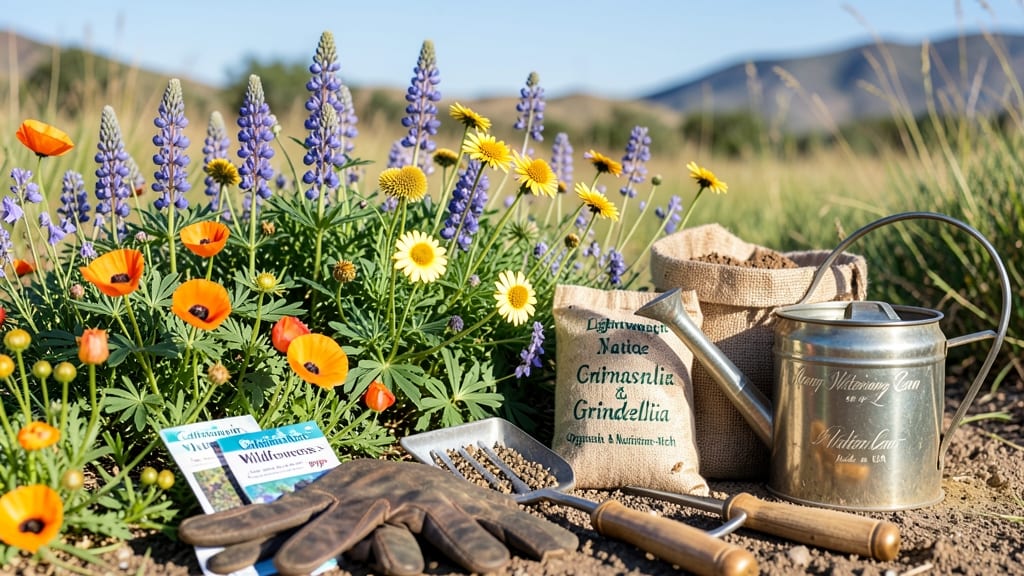
To plant wildflower seeds in California at the best time for vibrant blooms, aim for fall—between October and December—when cooler temperatures and winter rains trigger germination.
California’s diverse microclimates—from coastal foggy zones to high deserts—mean timing can make or break your dream of year-round color. Plant too early, and seeds may dry out; too late, and spring blooms won’t arrive. Get the schedule right, and you’ll enjoy low-maintenance beauty with minimal effort.
Coastal areas thrive with early fall planting, while inland valleys and deserts often need a slightly later start. Native species like California poppies and lupines adapt beautifully to these regional cues, ensuring hardy, drought-resistant blooms.
Below, I break down the ideal months for your specific area, soil prep tricks, and watering schedules that keep seedlings happy until they’re established. Let’s turn your patch of land into a wildflower paradise!
California wildflower planting calendar by region: best months for coastal, valley, and desert areas
California’s microclimates create unique challenges and opportunities for wildflower enthusiasts. Unlike one-size-fits-all advice, timing your planting to match your region’s rainfall patterns and temperature swings determines whether your seeds sprout into lush blooms or wither before germination.
Coastal areas thrive with fall planting, while desert regions demand winter sowing for spring blooms.
Understanding your specific zone—whether you’re in foggy San Francisco, the Central Valley’s heat, or the Mojave’s arid conditions—lets you align planting with nature’s rhythm.
For example, coastal wildflowers like California poppies germinate best when soil temps hover around 60-65°F, while desert natives like desert marigolds need cooler winter months to break dormancy.
The key to success lies in seasonal triggers: coastal areas rely on winter rains, valleys benefit from spring showers, and deserts depend on stored moisture from winter rains.
Below, I’ve broken down the optimal planting windows for California’s five distinct regions, including temperature and rainfall cues to maximize your wildflower garden’s potential.
| Region | Best Planting Window | Key Temperature Trigger | Rainfall Dependency | Top Native Species |
|---|---|---|---|---|
| Coastal (San Francisco, Monterey) | October–December | 50–65°F soil temp | Winter rains (10–15 inches) | California poppy, lupine |
| Central Valley (Sacramento, Fresno) | November–January | 45–60°F soil temp | Winter rains (5–10 inches) | Goldenrod, tidy tips |
| Southern California (LA, San Diego) | November–February | 55–68°F soil temp | Winter rains (8–12 inches) | Blue-eyed grass, evening primrose |
| Sierra Foothills (Sacramento Valley) | September–October | 50–65°F soil temp | Fall rains (6–10 inches) | Farewell-to-spring, checkerbloom |
| Desert (Death Valley, Joshua Tree) | December–February | 40–55°F soil temp | Winter rains (2–5 inches) | Desert marigold, brittlebush |
For coastal regions, timing your planting with the first significant autumn rains (typically October–December) ensures seeds germinate before summer droughts hit. I’ve seen California poppies explode into color when planted in November, thanks to consistent moisture keeping seeds hydrated until roots establish.
In the Central Valley, where winters are cooler but still mild, aim for November–January planting.
This window aligns with natural rainfall patterns, reducing the need for supplemental watering. Goldenrod and tidy tips thrive here because they’ve adapted to the valley’s 5–10 inches of winter rain, which is just enough to kickstart growth without drowning delicate seedlings.
Southern California’s Mediterranean climate demands precision: plant between November and February to catch the tail end of winter rains. Areas like San Diego can get 8–12 inches of rain annually, but it’s concentrated in these months.
Skipping this window often means relying on irrigation, which can lead to overwatering risks and poor germination.
The Sierra Foothills offer a unique advantage with their fall rains, making September–October the ideal window. This region’s cooler nights and warmer days create perfect conditions for farewell-to-spring and checkerbloom to establish deep roots before summer heat arrives.
I’ve noticed these wildflowers return year after year when planted in this window.
Desert regions like Joshua Tree and Death Valley require the most patience. Planting in December–February ensures seeds germinate during the coolest months, when rare winter rains (even just 2–5 inches) provide enough moisture. Desert marigolds and brittlebush are hardy once established
How to choose wildflower seed mixes for California’s climate Zones
California’s wildflower mixes aren’t one-size-fits-all. The right blend depends on your microclimate and blooming goals. Coastal areas thrive with moisture-loving natives like Lupinus, while desert mixes need drought-tolerant varieties like Eschscholzia. Start by matching your USDA zone (7-11) with seeds adapted to local rainfall and temperature extremes.
Native seed mixes often outperform commercial blends because they’re locally adapted to California’s dry summers and variable winters. Look for certified native mixes from reputable suppliers like American Meadows or Native American Seed. These mixes include self-seeding annuals that return yearly, reducing replanting work.
For seasonal blooms, strategize with successive flowering mixes. Plant early spring varieties like Phacelia (blue bells) alongside late summer bloomers such as Gaillardia (blanket flower). This ensures continuous color from February to November, even in drought years.
✅ California Wildflower Mixes by Climate Zone
-
Coastal (Zones 7-9)
Mix: Lupinus albifrons, Eschscholzia californica, Grindelia camporum -
Central Valley (Zones 8-10)
Mix: Larkspur, Poppy, Farewell-to-Spring (Clarkia) -
Southern California (Zones 9-11)
Mix: California Poppy, Desert Marigold, Blue Eyes (Nemophila) -
High Desert (Zones 6-8)
Mix: Blanket Flower, Yarrow, Penstemon (beardtongue)
Pro Tip: Avoid mixes with invasive species like Purple Loosestrife or Pampas Grass. Always check labels for "California Native" certification.
Avoid cheap commercial mixes loaded with non-native fillers like Sweet Alyssum or Cosmos, which may not thrive in dry heat or salty soils. Instead, prioritize 100% native blends with low water needs (≤1 inch/week once established). These mixes support local pollinators while requiring minimal upkeep.
For first-time planters, start small with pre-mixed native blends like "California Wildflower Medley". These typically include 20+ species for diverse colors and extended blooming. After your first season, experiment with single-species packets to fill gaps in your meadow’s color palette.
Test your soil’s pH (6.0-7.5) and drainage before planting. Amend heavy clay with compost or sand, and avoid fertilizers—most native wildflowers thrive in poor soil. Once planted, water deeply 2-3 times weekly for the first 4 weeks to encourage root growth.