
Blooming
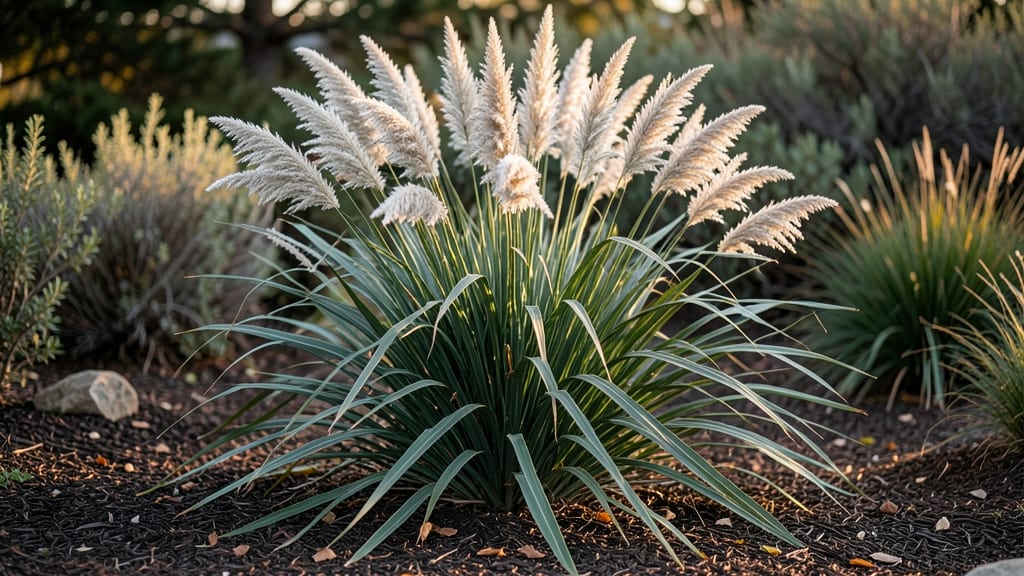
Pampas grass flowers in late summer to fall 🌿, but the exact timing depends on your climate zone and the variety you’ve planted.
If you’ve ever wondered when those fluffy, cloud-like plumes will finally bloom in your garden, timing is everything—and it depends entirely on your climate zone. Missing the flowering window could mean waiting another full year for that dramatic display.
In USDA Zone 6a, where many gardeners grow pampas grass, expect blooms from August to October, though cooler regions may see them appear later. Warmer zones like 9-10 can enjoy flowers as early as July, while coastal areas might delay until September.
Here’s what you’ll discover: how to predict your pampas grass blooming window, the best varieties for extended flowering, and care tips—like pruning and fertilizer—to encourage those show-stopping plumes year after year.
Pampas grass flowering seasons by USDA climate zones
Timing your pampas grass blooms requires understanding your USDA hardiness zone, as these ornamental grasses thrive in warm climates but adapt beautifully in cooler regions.
In Zones 9-10, you’ll often see early bloomers starting as soon as late spring, while gardeners in Zones 6-7 may wait until mid-to-late summer for those iconic feathery plumes to emerge.
Regional microclimates—like coastal areas versus inland deserts—can shift flowering windows by 2-4 weeks. For example, coastal Zone 8 gardens might experience blooms in early August, while inland locations could delay until September.
Let’s break down the flowering seasons by zone so you can plan your garden’s dramatic focal points with precision.
| USDA Zone | Typical Bloom Window | Regional Variations | Key Care Tip |
|---|---|---|---|
| Zone 6-7 | Late summer to early fall (August–October) | Cooler inland areas: September–October; milder microclimates: August | Plant in full sun and well-draining soil to avoid frost damage. |
| Zone 8 | Mid-summer to fall (July–September) | Coastal: July–August; inland: August–September | Prune dead plumes in early spring to encourage new growth. |
| Zone 9-10 | Early summer to fall (June–November) | Tropical zones: June–July; desert zones: August–October | Water deeply once established to support extended blooming. |
In Zones 6-7, where winters are colder, pampas grass often waits until late summer to bloom, typically between August and October. This delay gives the plant time to establish robust roots before the first frost.
Inland areas may see blooms push later into October, while milder microclimates—like near large bodies of water—can trigger earlier blooms in late July or August.
Gardeners in Zone 8 enjoy a broader window, with blooms stretching from mid-July through September. Coastal regions often experience earlier blooms due to moderating ocean breezes, while inland desert climates may delay flowering until late August or September.
The key is to plant in well-draining soil and full sun to maximize bloom potential.
For those in Zones 9-10, pampas grass is a year-round performer, with blooms starting as early as June and lasting through November.
Tropical zones like Miami or Hawaii may see multiple bloom cycles, while desert areas like Phoenix or Las Vegas often experience peak blooms in late summer. The heat tolerance of these zones allows for longer flowering seasons.
If you’re in a coastal Zone 8 or 9, you might notice blooms arriving 2-3 weeks earlier than inland counterparts. This is due to the cooler coastal temperatures and higher humidity, which can create a more temperate environment.
In contrast, inland deserts in the same zones may see delayed blooms until September or October.
To encourage earlier blooms, especially in cooler zones, focus on spring fertilization with a balanced 10-10-10 formula. This gives your pampas grass the nutrients it needs to push out new growth and flower heads sooner.
Additionally, pruning dead plumes in early spring can stimulate fresh blooms by redirecting the plant’s energy.
One common misconception is that pampas grass blooms only once per year. In reality, mature plants in Zones 9-10 can produce multiple bloom cycles, especially if given proper care.
In cooler zones, a single late-summer bloom is typical, but with the right conditions, you might see secondary blooms in early fall.
For gardeners in Zone 6 or 7, timing is critical. Planting in late spring (after the last frost) gives your pampas grass enough time to establish before the first frost.
If you plant too early, the cold temperatures can stunt growth and delay—or even prevent—flowering. Always choose a sunny, sheltered location to protect against harsh winds.
Whether you’re in a temperate Zone 7 or a tropical Zone 10, understanding your local climate will help you predict when those fluffy plumes will transform your garden into a dramatic winter wonderland.
With the right care, your pampas grass can become the star of your landscape for years to come. 🌿
How to predict your pampas grass blooming window
Predicting when your pampas grass will bloom requires understanding its growth cycle and local climate patterns. Unlike annuals, this ornamental grass takes 2-3 years to mature and flower, so patience is key. I’ve learned the hard way—skipping a frost date can delay blooms by an entire season!
Start by noting your last spring frost date, as pampas grass needs warm soil to sprout. In most regions, new growth emerges 4-6 weeks after frost, signaling the beginning of its flowering countdown.
For example, if your last frost is April 15, expect potential blooms by late summer or early fall.
Over-pruning can delay blooms by removing next year's flower buds. Only trim dead foliage in late winter—never cut back more than 1/3 of the plant at once. Pampas grass stores energy in its roots, and aggressive cuts starve it of resources needed for flowering.
Your USDA hardiness zone sets the baseline, but microclimates can shift bloom times by weeks. Coastal areas with milder winters often see earlier blooms (June-July), while inland zones may push flowering to September-October. I once had a pampas grass bloom in August in Zone 8—unusual for my area!
Watch for new growth in spring—tight, upright shoots indicate energy storage for future flowers. If your plant shows vigorous green shoots by May, expect blooms by late summer. Lack of growth? Check your soil drainage and sunlight exposure—pampas grass needs full sun to thrive.
Adjust for early/late frosts by monitoring weather forecasts. A sudden cold snap in June can shock new growth, pushing blooms later. In my garden, I’ve used row covers to protect young shoots during unexpected chilly spells, ensuring timely flowering.
For container-grown pampas grass, blooms may arrive 2-4 weeks later than in-ground plants due to root stress. Use well-draining pots and fertilize lightly in spring to encourage flowering. Remember: patience and consistent care are your best tools for predicting—and enjoying—that dreamy, fluffy display.