
Flowers
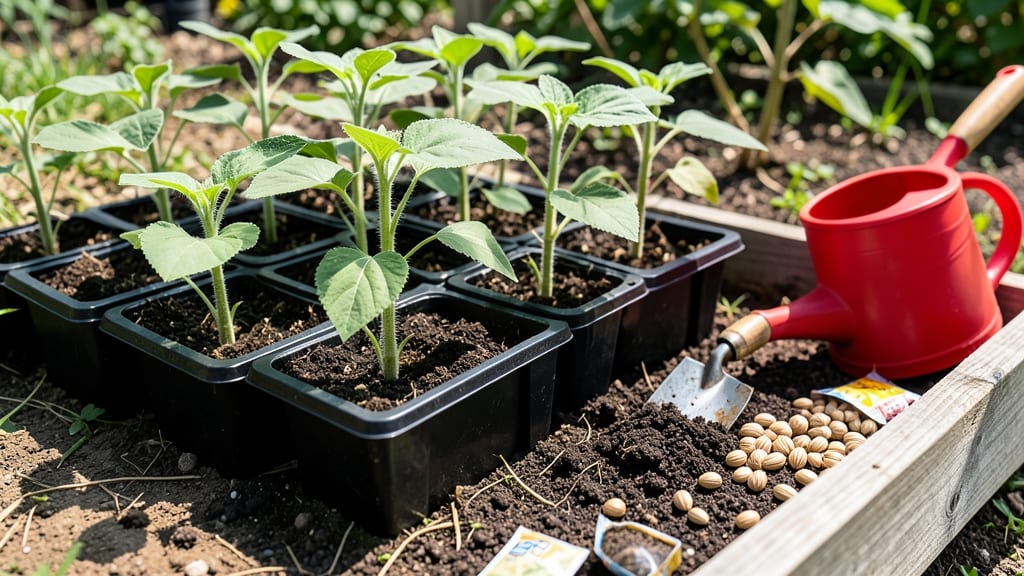
To plant sunflowers in Southern California, aim for March–April or September–October—timing that avoids summer’s brutal heat while ensuring zero frost risk in zones 9b–11.
Sunflowers thrive in Southern California’s warm climate—but planting them at the wrong time can mean short-lived blooms or stunted growth. Master the ideal timing to grow sunflowers from seed to towering beauty with minimal frost risk.
Coastal areas like Los Angeles can start as early as late February, while inland desert regions like Palm Springs should wait until April to escape early-season heat. The key is soil warmth: seeds need 60°F+ to sprout reliably.
Below, I break down the best planting windows by microclimate, how to stagger plantings for continuous blooms, and the one mistake that wipes out sunflowers in Southern California’s intense summers.
Best planting months for sunflowers in Southern California’s microclimates
Southern California’s diverse microclimates create unique challenges and opportunities for growing sunflowers. While the region enjoys year-round frost-free growing, coastal areas like Malibu and San Diego stay cooler longer than inland desert regions like Palm Springs or Coachella.
Timing your sunflower seeds correctly ensures robust growth and stunning summer blooms without heat stress.
For most of Southern California, March through April is the ideal planting window for spring sunflowers. However, coastal areas can start as early as late February when soil temperatures reach 55°F (13°C).
Inland desert regions benefit from fall planting (September-October) to escape extreme summer heat. Let’s break down the best strategies by region to maximize your sunflower’s potential.
Soil temperature is your most critical factor—sunflower seeds need warm soil (60°F/16°C) to germinate. Coastal areas hit this mark in late February to March, while inland deserts may need to wait until April. Always check soil temps with a soil thermometer before planting to avoid slow germination.
In coastal Southern California, where summers are mild and winters rarely drop below 40°F (4°C), you can enjoy two planting windows: spring and fall. Start seeds indoors in February for early blooms, then transplant outdoors by March 15.
For fall planting, aim for September 15-October 1 to ensure flowers mature before winter rains arrive.
For inland desert regions, the key is avoiding peak summer heat (June-August). Plant in September-October for fall-winter blooms that thrive in cooler temperatures. If you prefer spring blooms, sow seeds in April when soil temps stabilize above 65°F (18°C).
Always choose heat-tolerant varieties like 'Autumn Beauty' or 'Moulin Rouge' for these areas.
Don’t overlook soil preparation—sunflowers thrive in well-draining soil with a pH between 6.0-7.5. Amend heavy clay soils with compost or sand to prevent waterlogging, especially in coastal areas where winter rains can cause saturation. In desert regions, incorporate organic matter to retain moisture during dry spells.
Pro tip: Use black plastic mulch in spring plantings to warm soil faster and suppress weeds. This is especially helpful in cooler inland valleys where soil warms more slowly. Remove mulch once plants reach 6 inches tall to prevent overheating.
Timing your sunflower planting correctly isn’t just about months—it’s about microclimate awareness. Coastal gardeners can push early plantings, while desert growers should embrace fall planting for best results. With these region-specific guidelines, you’ll enjoy towering sunflowers that bloom reliably year after year.
Remember: Sunflowers love heat, but they’ll bolt (flower too quickly) if stressed by extreme temperatures. In desert regions, provide afternoon shade during 100°F+ days to protect young plants.
With the right timing and care, your sunflowers will reward you with vibrant blooms that turn heads all summer long. 🌻
How to extend sunflower season: staggered planting for continuous blooms
Southern California’s long growing season lets you enjoy sunflowers year-round with the right strategy. Instead of one big planting, I use staggered planting to create a continuous bloom display from spring through fall. This simple technique ensures fresh flowers every few weeks, even in our hot summers.
Sunflowers thrive in our frost-free climate, but heat stress can shorten their lifespan. By planting in successive batches, you’ll always have blooms—whether you’re growing tall giants or compact varieties. The key is spacing out plantings by 2-3 weeks to maintain a steady cycle.
- Early Spring: Start with March-April plantings for summer blooms (June-Sept). Use heat-tolerant varieties like 'Autumn Beauty' or 'Moulin Rouge'.
- Late Spring: Add a May planting for fall flowers (Sept-Nov). Choose drought-resistant types like 'Teddy Bear'.
- Early Fall: Plant September-October for winter blooms (Dec-Feb). Opt for slow-bolting varieties like 'Russian Giant'.
- Heat Tip: Always water deeply before planting and mulch heavily to retain moisture during 100°F+ days.
- Soil Prep: Amend soil with compost and sand to improve drainage—critical for desert-adjacent areas.
For coastal areas like San Diego, you can even plant as early as February for extended blooms, while inland desert regions (Palm Springs, Coachella) should wait until April to avoid early heat stress. I’ve found that dwarf varieties handle heat better than towering types.
Pro tip: Keep a planting journal to track which varieties bloom longest in your microclimate. For example, 'ProCut' sunflowers often last 2 weeks longer in inland heat than standard types. Pairing early, mid, and late-season varieties ensures nonstop color.
Don’t forget to deadhead spent blooms to encourage more flowers and prevent reseeding where you don’t want it. With this method, my garden stays vibrant from April through November—and the birds love the seeds! 🌻