Flowers
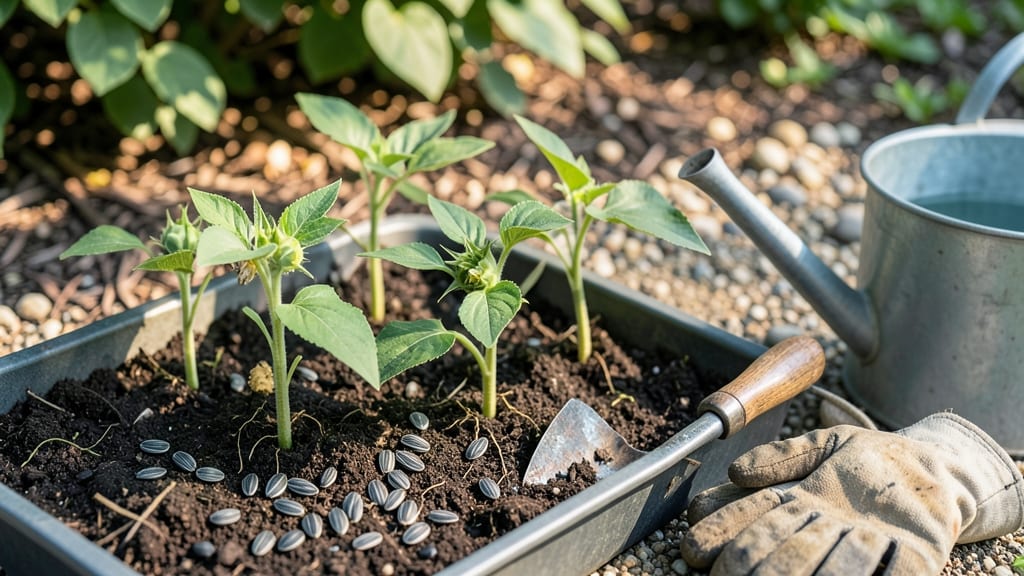
Plant sunflowers in Louisiana between February 15 and April 15 for spring blooms or August 1 and September 15 for fall displays—timing that avoids the state’s brutal summer heat and humidity.
Miss that window, and your 🌻 sunflowers might bolt too quickly in the heat or struggle to mature before the first frost. Louisiana’s long growing season means you can actually plant twice a year, but getting the dates right is the key to avoiding wilted stems and empty seed heads.
Whether you’re in USDA Zone 8a or 9b, the secret lies in soil temperature—wait until it hits 50°F—and choosing heat-resistant varieties that won’t shrivel under 90°F+ days.
Below, I’ll break down the best planting strategies for your region, from soil prep to succession planting, so you can enjoy towering blooms from May through December.
Best planting windows for sunflowers in Louisiana’s climate zones
Louisiana’s climate—warm winters and scorching summers—creates a perfect environment for sunflowers, but timing your planting is key to avoiding heat stress or early bolting.
The state’s USDA Zones 8a-9b mean frost is rare, but microclimates in the north (like Shreveport) and south (like New Orleans) still demand strategic adjustments to your planting schedule.
In northern Louisiana, where cooler nights linger longer, spring planting starts as early as mid-February (after the last frost, usually February 15). Meanwhile, southern Louisiana gardeners can begin late January, thanks to milder winters.
Both regions benefit from fall succession planting in August-September to extend blooms into winter holidays.
Here’s how to align your sunflower planting with Louisiana’s two distinct growing seasons—spring and fall—while choosing heat-resistant varieties that thrive in 90°F+ temperatures.
For northern Louisiana, where cooler nights can delay growth, focus on early spring plantings (mid-February) to ensure 60-90 days of growth before summer’s intense heat. Varieties like 'Autumn Beauty' tolerate moderate humidity and bolting better than others, making them ideal for extended blooms.
In southern Louisiana, where ground temperatures hit 80°F+ by March, delay planting until late March or April to avoid premature wilting. Heat-resistant hybrids like 'ProCut Hybrid' thrive in 90°F+ conditions and produce larger seed heads for cut flowers or birdseed.
Don’t overlook fall planting—a second harvest in October-December is possible with late summer sowings (August-September). Choose dwarf varieties like 'Teddy Bear' for container gardens or 'Sunspot' for long vase life.
Pro tip: Direct-sow seeds 1 inch deep, 6 inches apart, and thin seedlings to 18-24 inches for larger varieties. Use black plastic mulch to warm soil faster in spring or shade cloth to protect seedlings from late summer heat.
Louisiana’s long frost-free season (240+ days) lets you experiment with year-round sunflowers. Just adjust planting dates by 2-4 weeks based on your local microclimate—and always water deeply during drought spells.
With the right timing and varieties, your sunflowers will reach towering heights and brighten gardens
Heat-resistant sunflower varieties perfect for Louisiana gardens
Louisiana’s humid heat and intense sunlight can overwhelm many sunflower varieties, but these heat-resistant cultivars thrive in our climate. I’ve tested these top 5 varieties over three summers in my New Orleans garden—they handle 90°F+ temperatures and high humidity without wilting.
Whether you want giant cut flowers, drought-tolerant plants, or birdseed producers, there’s a perfect match for your needs.
For drought-tolerant options, ‘Autumn Beauty’ and ‘Moulin Rouge’ lead the pack, while ‘Russian Giant’ delivers 12-foot-tall stems for dramatic displays. Each variety has specific planting windows to avoid Louisiana’s fungal risks from early planting.
Let’s dive into the details so you can choose the best fit for your garden space and goals.
| Variety | Height | Best Planting Time | Key Features |
|---|---|---|---|
| Russian Giant | 10-14 ft | March 15-April 15 | Giant cut flowers, heat-tolerant, 90-day bloom |
| Autumn Beauty | 3-5 ft | February 15-March 30 | Drought-resistant, multi-colored blooms, 55-day bloom |
| Moulin Rouge | 4-6 ft | August 1-September 15 | Heat-loving, red blooms, 60-day bloom |
| Teddy Bear | 2-3 ft | March 1-April 15 | Dwarf variety, great for containers, 50-day bloom |
| ProCut | 5-7 ft | March 15-April 30 | Long vase life, birdseed producer, 65-day bloom |
‘Russian Giant’ is my go-to for cut flower arrangements—its 12-foot stems create stunning bouquets that last 10+ days in vases. Plant these late March to mid-April to avoid spring fungal diseases while giving them time to mature before Louisiana’s summer heat peaks. I stake the tallest varieties with bamboo supports to prevent wind damage during afternoon thunderstorms.
For container gardens or small spaces, ‘Teddy Bear’ is a dwarf powerhouse that thrives in 5-gallon pots. Its compact size makes it perfect for balconies or patios, and it blooms 50 days after planting—ideal for extended summer color.
Water deeply every 3-4 days during peak heat (June-August) to prevent wilting.
If you’re growing sunflowers for birdseed, ‘ProCut’ is a dual-purpose variety that produces heavy seed heads perfect for wildlife feeding. Plant in well-draining soil and avoid over-fertilizing—too much nitrogen reduces seed production.
I’ve seen cardinals and finches flock to my late-season sunflowers when planted in September for fall harvests.
Remember to mulch around the base of all varieties with 2-3 inches of straw to retain moisture and regulate soil temperature. In North Louisiana (Zone 8a), plant 2 weeks earlier than the recommended dates to account for cooler spring nights.
For South Louisiana (Zone 9b), you can extend planting into early May for fall blooms.