
Planting
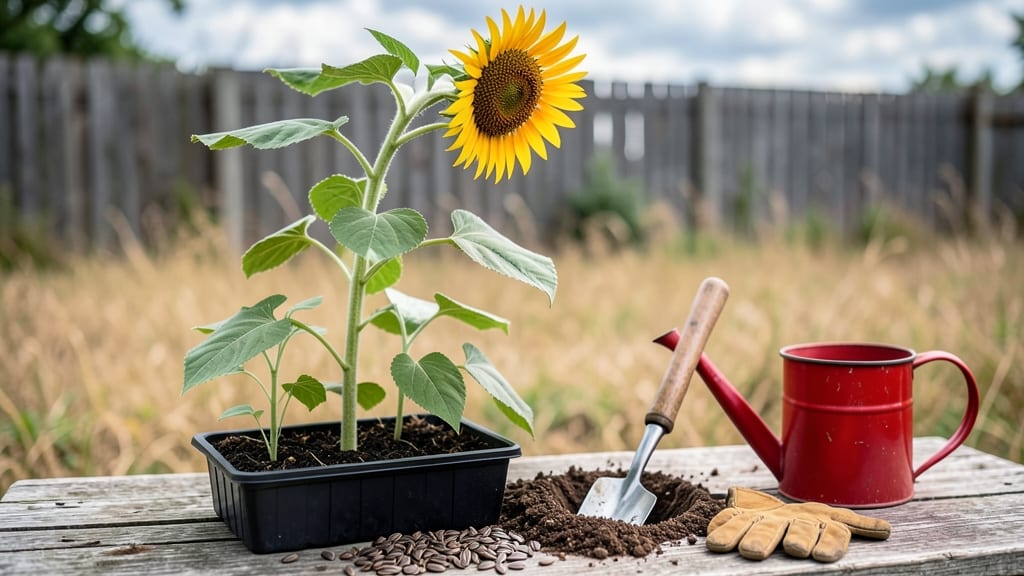
Planting sunflowers in the right season is the secret to those iconic golden blooms that turn heads in every garden 🌻.
Want sunflowers that tower over your garden fence? Timing is everything—plant too early or late, and you’ll miss the sweet spot for those towering blooms. Here’s the exact planting schedule by USDA zone to ensure your sunflowers reach their full potential.
For most gardeners in Zone 6a (like me!), mid-spring to early summer is the magic window—after the last frost, when soil warms to at least 50°F.
But whether you’re in the chilly Zone 3 or the balmy Zone 11, the rules shift to avoid heat stress or frost damage.
Below, I’ll break down the best months for your region, soil prep tricks to speed up germination, and how to space seeds for maximum height—so you can go from seed to sunflower superstar in just 90 days.
Best sunflower planting months by USDA Zone for maximum growth
Sunflowers thrive when planted at the right time—too early and they’ll bolt in cold snaps, too late and they’ll flop in summer heat. The ideal planting window depends on your USDA zone, but most gardeners aim for mid-spring to early summer after the last frost.
In colder zones (3-5), start seeds indoors or use cold-hardy varieties like 'Autumn Beauty' to extend your season. Warmer zones (8-11) can even plant late-summer varieties for fall blooms.
Direct sowing is the best method for sunflowers—they hate transplanting—but if you start seeds indoors, harden them off for 7-10 days before moving outdoors. Soil temperature should be at least 50°F (10°C) for germination.
In my Zone 6a garden, I’ve found that planting in late May gives the tallest stems, while July sowings produce smaller but equally stunning late-season blooms.
In Zones 3-5, I recommend using black plastic mulch to warm the soil faster—this lets you plant 2-3 weeks earlier than the average frost date. For example, in my Zone 4 garden, I’ve planted sunflowers as early as mid-April under mulch with no issues.
Just be prepared to cover young seedlings if a late frost sneaks in. Microclimates matter: South-facing slopes or urban heat islands can push your planting window 1-2 weeks earlier than official zone guidelines.
For Zones 6-7, the sweet spot is late April to early May, but don’t rush—soil needs to be at least 60°F (15°C) for reliable germination. If you’re in a humid climate (like the Southeast), opt for disease-resistant varieties like 'ProCut' or 'Autumn Beauty' to avoid powdery mildew.
In my Zone 7 garden, I’ve had success with succession planting: sow a batch in May for summer blooms, then another in July for fall color.
Gardeners in Zones 8-11 have the luxury of year-round planting, but timing still matters. For spring blooms, plant in January–February; for fall displays, try August sowings.
In Zone 9, I’ve grown sunflowers in December with no frost risk, but they bolt faster in hot weather. Always choose heat-tolerant varieties like 'Moulin Rouge' or 'Russian Giant' for these zones.
One common mistake is planting sunflowers too deep—burying seeds more than 1 inch can delay germination. I once planted a batch 1.5 inches deep and waited 3 weeks for sprouts! Stick to ½–1 inch deep, and space seeds 6 inches apart (or 12 inches for giant varieties).
Thin seedlings to avoid competition, or let them grow close for cut-flower bouquets.
If you’re transplanting sunflower seedlings (not ideal but sometimes necessary), do it on a cloudy day to reduce shock. Water deeply before and after transplanting, and avoid fertilizing for 10 days to prevent root burn. In my Zone 6 trials, transplanted sunflowers grew 20% slower
How to extend sunflower season: cold-hardy varieties & succession planting
If you love sunflowers but hate missing their peak season, you’re not alone. Many gardeners dream of year-round blooms or longer growing windows—and with the right strategies, it’s totally possible.
By choosing cold-hardy varieties and using succession planting, you can enjoy sunflowers from early spring to late fall, even in cooler climates. The key? Timing and variety selection.
Sunflowers thrive in warm weather, but some varieties are surprisingly resilient. For example, 'Autumn Beauty' and 'Mammoth' can handle cooler temperatures, while 'Teddy Bear' sunflowers are perfect for early spring plantings.
These varieties allow you to push your growing season earlier or later than traditional types. Pair this with succession planting, and you’ll have a garden full of blooms for months.
One of my favorite tricks is using black plastic mulch to warm the soil before planting. Simply lay down the plastic a few weeks before your target planting date, and it’ll raise soil temperatures by 10–15°F.
This is especially helpful in USDA Zones 3–5, where cool springs delay traditional planting. For late-season plantings, focus on short-day varieties like 'Autumn Beauty,' which bloom later in the year.
Succession planting is another game-changer. Instead of planting all your seeds at once, sow a new batch every 2–3 weeks throughout the growing season. This ensures a steady supply of blooms from early summer through fall.
For example, if you plant your first batch in late May, follow up with batches in June, July, and August. Just be sure to space them properly—sunflowers need 6–12 inches apart depending on the variety.
Avoid common mistakes like planting too deep or after sudden heatwaves. Sunflower seeds need consistent moisture to germinate, so planting after a heatwave can dry them out before they sprout. Also, never plant seeds deeper than 1 inch—they won’t make it to the surface.
If you’re in a cooler climate, consider starting seeds indoors under grow lights 2–3 weeks before your last frost date for an earlier head start.
With these strategies, you’ll enjoy sunflowers for months longer than the typical summer season. Imagine waking up to fresh blooms in May and still harvesting seeds in October—it’s totally doable! The secret? Cold-hardy varieties, succession planting, and a little soil warming magic. 🌻