
Flowers
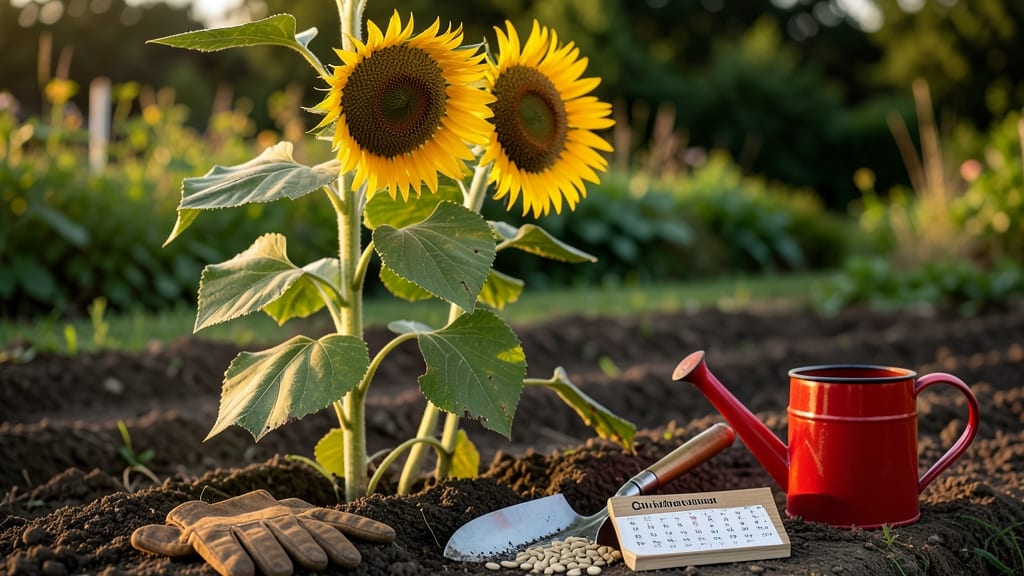
Planting sunflowers in Pennsylvania after the last frost date—typically mid-April to early June—sets you up for towering blooms instead of frost-nipped failures.
Sunflowers bring vibrant color and joy to Pennsylvania gardens—but planting them at the wrong time can leave you with wilted stems instead of towering blooms. Timing is everything, especially in PA’s variable climate (USDA Zones 6B-7A), where a late frost or scorching summer can make or break your sunflower harvest.
If you’ve ever watched your 🌻 sunflowers shrivel after an unexpected cold snap or struggle to mature in the heat, you know how critical the right window is.
The key is aligning your planting with soil warmth (at least 55°F) and local frost-free averages, which shift slightly between Pittsburgh and Philadelphia.
Here’s exactly when to plant sunflowers in PA—plus how to adjust for early or late springs, choose the right varieties, and avoid common mistakes that derail even the most eager gardeners.
PA sunflower planting timeline: exact dates by USDA Zone 6B vs 7A
Timing your sunflower planting in Pennsylvania depends heavily on your USDA zone—specifically whether you're in Zone 6B (like Harrisburg) or Zone 7A (like Philadelphia).
These zones experience slightly different last frost dates and soil warming patterns, which directly impact when your sunflower seeds (Helianthus annuus) should hit the dirt.
According to Penn State Extension, the average last spring frost occurs around April 15 in Zone 6B and April 5 in Zone 7A, but these dates can shift by 2 weeks or more depending on microclimates.
For successful germination, sunflower seeds need soil temperatures of at least 55°F (13°C). In Pennsylvania, this typically aligns with mid-April to early May, but cooler springs may delay planting until late May.
Using a soil thermometer is the most reliable way to confirm readiness—especially if you're growing giant varieties like 'Mammoth' that need a longer growing season to reach their full 10-16 foot height.
| Zone | Last Frost Date | Soil Temp (55°F+) | Direct Sow Window | Transplant Window | Notes |
|---|---|---|---|---|---|
| 6B | April 15 | Mid-April | April 20 - May 15 | April 25 - May 10 | Use row covers for early starts |
| 7A | April 5 | Late March | April 1 - May 10 | April 10 - April 25 | Soil warms faster; start earlier |
If you're transplanting sunflower seedlings (rather than direct sowing), you'll need to start them indoors 4-6 weeks before your target outdoor date. For Zone 6B, this means beginning seeds indoors around mid-March, while Zone 7A gardeners can start as early as late February.
Use biodegradable pots to avoid disturbing roots during transplanting, and harden off seedlings for 7-10 days before moving them outside. Hardening off is critical—sudden temperature shifts can shock young plants and stunt their growth.
For gardeners in Zone 6B, I recommend sticking to early-maturing varieties like 'Teddy Bear' (50-60 days to maturity) if you're planting in late May, as these varieties can still produce 3-4 foot blooms before the first frost.
Meanwhile, Zone 7A gardeners have more flexibility to grow taller varieties like 'Russian Giant' (100+ days to maturity) when planting in early April. Always check the seed packet for days-to-maturity information—this will help you calculate your ideal planting window based on your zone's frost-free period.
Adjust your planting timeline if you experience an early or late spring. Check the National Weather Service or local CoCoRaHS network for real-time frost forecasts.
In 2023, for example, Philadelphia saw its last frost on April 22—nearly 3 weeks later than average—which would have shifted the ideal planting window to mid-May for direct sowing.
Similarly, if your soil stays below 55°F into late May, wait until early June to plant—better late than risking seeds rotting in cold, wet soil.
Direct sowing is the preferred method for sunflowers, but if you choose to transplant, prepare your seedlings carefully. Use a seedling heat mat to maintain soil temperatures above 60°F (16°C) until germination.
Once outdoors, water deeply 2-3 times per week to encourage strong root development, especially during Pennsylvania's hot, dry summers.
Mulch around the base of your plants with straw or shredded leaves to retain moisture and suppress weeds—this is particularly important in Zone 7A, where summer evaporation rates are higher.
Remember that sunflowers thrive on full sun (6+ hours daily), so choose a location with minimal shade from trees or buildings. In Pennsylvania, this often means planting near south-facing fences or walls, which can provide additional warmth.
If you're growing sunflowers for cut flowers or seeds, space them 12-24 inches apart to allow for proper air circulation and reduce the risk of powdery mildew, a common fungal issue in humid PA summers.
For those in Zone 6B, consider planting a second crop in early July for late-summer blooms. Choose fast-maturing varieties like 'Sunspot' (55 days) to ensure flowers open before the first frost, typically around October 15.
This succession planting strategy extends your sunflower season and provides continuous color and pollinator support. Just be sure to monitor your garden for squirrels and birds, which love sunflower seeds—use row covers or mesh cages for young plants until they're established.
Finally, keep an eye on your local almanac for historical frost data. While general guidelines help, Pennsylvania's climate is unpredictable.
By aligning your planting with soil temperature, frost-free dates, and your sunflower variety's maturity timeline, you'll maximize your chances of growing healthy, vibrant sunflowers that bring joy to your
5 Critical factors that change sunflower planting time in PA
Planting sunflowers in Pennsylvania isn’t just about grabbing seeds in spring—it’s a science of balancing soil warmth, frost risks, and variety maturity. In my USDA Zone 6B garden near Harrisburg, I’ve learned that timing can shift by weeks depending on these factors.
Ignore them, and you might end up with frost-nipped seedlings or sunflowers that bolt too quickly in the heat.
First, soil temperature is non-negotiable. Sunflower seeds need soil that’s at least 55°F to germinate. In cooler PA zones like Erie (Zone 6A), this might mean waiting until late May, while Philadelphia (Zone 7A) gardeners can plant as early as mid-April. Always check with a soil thermometer—don’t guess!
Next, last frost dates vary wildly across PA. While Pittsburgh typically sees its final frost around April 15, Philadelphia’s average is April 22. But microclimates—like urban heat islands or sheltered valleys—can push these dates by 1–2 weeks. Use Penn State’s frost calculator to pinpoint your exact window.
- 1. Soil Warmth: Wait until soil reaches 55°F+—use a thermometer! Cooler zones (e.g., State College) may need to delay until late May.
- 2. Last Frost Date: Philadelphia (April 22) vs. Pittsburgh (April 15)—check local averages and adjust for microclimates (e.g., urban heat islands).
- 3. Day Length: Short-day varieties (e.g., 'Autumn Beauty') need 12+ hours of daylight to flower—plant in late May for best results in northern PA.
- 4. Maturity Group: Dwarf varieties (50–60 days) can start earlier, while giants (100–120 days) need a longer growing season—plan accordingly!
- 5. Microclimates: A southern exposure or row covers can extend your window by 2–3 weeks—use them to push early plantings!
Day length plays a surprising role, especially for short-day sunflowers like 'Autumn Beauty.' These varieties need 12+ hours of daylight to trigger flowering, which means planting them in late May in northern PA ensures they’ll bloom before days shorten in fall.
Long-day varieties (e.g., 'Mammoth') are more forgiving but still benefit from early starts.
Don’t overlook maturity groups—they dictate your entire planting window.
Dwarf varieties like 'Teddy Bear' mature in just 50–60 days, so you can start them as early as mid-April in Zone 7A. Giant varieties like 'Russian Giant' take 100–120 days, so they need a June 1 start in Zone 6B to avoid frost.
Always match your variety to your frost-free days!
Finally, microclimates can shift your planting window by weeks. A south-facing slope in Lancaster might warm up 2 weeks earlier than a north-facing yard in Scranton. Use row covers or black plastic mulch to warm soil faster and extend your season.
In my garden, this has let me plant 'Sunspot' dwarf sunflowers in early April—something I’d never try without protection!
Adjusting for these factors means the difference between towering sunflowers and disappointing sprouts. Start with your last frost date, then tweak based on soil warmth, variety, and microclimate.
With the right timing, you’ll enjoy sunflowers from July to October—just like I do in my Zone 6B garden! 🌻