
Plants
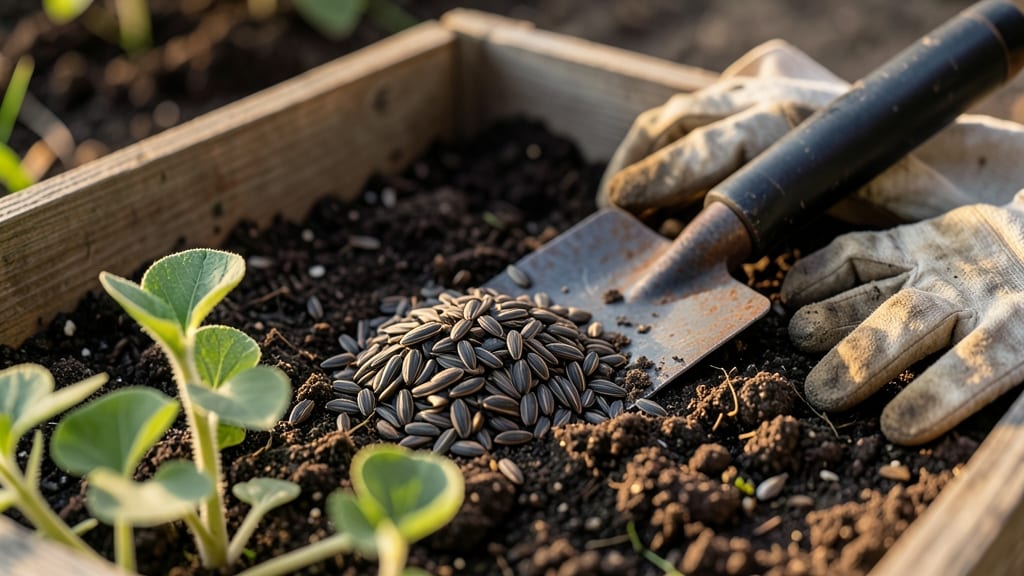
Planting sunflower seeds in Tennessee after the last frost — typically mid-April — guarantees fast germination and those towering 🌻 blooms you love.
Sunflowers bring vibrant color and joy to Tennessee gardens, but timing is everything. Plant too early and frost will nip those tender sprouts; too late, and your 6-foot giants might not reach their full potential before summer fades.
In USDA Zone 7a, the window is narrow but critical for strong stems and bountiful harvests.
Most gardeners in Tennessee swear by mid-April to early June as the sweet spot, but soil temperature and microclimates play a role. East Tennessee’s cooler springs may need a head start indoors, while West Tennessee’s warmer soil could handle direct sowing as early as late March.
Below, I’ll break down the exact timing for your region, how to prep soil for fast germination, and when to expect those first cheerful faces peeking through the dirt.
Best planting windows for sunflowers in Tennessee’s Zone 7a climate
Sunflowers thrive in Tennessee’s Zone 7a when planted during the optimal soil temperature window of 55-65°F. This typically aligns with mid-April through early June, after the last frost date.
Planting too early risks frost damage, while waiting too late may delay blooms until fall. Let’s break down the best times for direct sowing and indoor starts.
For direct sowing outdoors, wait until the soil temperature reaches 55°F (usually late April to early May). Use a soil thermometer to confirm—sunflowers germinate best in warm, moist soil.
In West Tennessee, where springs warm faster, you can plant as early as mid-April, while East Tennessee may need to wait until late May.
Here’s a quick reference for planting windows in Tennessee’s Zone 7a, including soil conditions and frost risks:
If you’re starting sunflowers indoors, begin seeds 4-6 weeks before your last frost date (typically mid-March to early April). Use biodegradable pots to avoid transplant shock, and harden off seedlings for 7-10 days before moving them outdoors. This method extends your growing season and ensures earlier blooms.
For a second harvest in late summer, plant a succession crop in early June. Choose dwarf or semi-dwarf varieties (like ‘Teddy Bear’ or ‘Moulin Rouge’) to avoid crowding and ensure they mature before first frost in October.
These late plantings benefit from warmer soil and longer daylight in summer.
Always monitor weather forecasts and adjust planting dates if unseasonable cold is predicted. Sunflowers are frost-sensitive as seedlings but tolerate light frosts as mature plants. In East Tennessee’s cooler microclimates, consider row covers for early plantings to protect young sprouts.
Pro tip: Amend your soil with compost or aged manure before planting to improve drainage and fertility. Sunflowers are heavy feeders, so well-prepared soil leads to taller stems and bigger blooms. Mulch around the base to retain moisture and suppress weeds—critical during Tennessee’s hot, dry summers.
By following these Zone 7a-specific guidelines, you’ll enjoy vibrant sunflowers from summer through fall, with minimal risk of failure. Happy planting! 🌻
How to adjust planting time for sunflower variety and germination speed
Not all sunflowers thrive on the same schedule in Tennessee’s USDA Zone 7a. Dwarf varieties like 'Teddy Bear' (1-3 ft) can handle cooler soils, while giant types like 'Mammoth' (10-14 ft) need warmer temperatures to germinate reliably.
The key is matching your sunflower type with soil temperatures—aim for 60°F+ for fastest sprouting.
Cold-tolerant hybrids like 'Autumn Beauty' (5-6 ft) are my go-to for early April plantings if your soil warms quickly. For late-spring varieties, wait until mid-May when nighttime temps stay above 50°F. This timing difference can mean the difference between 7-day germination and 2-week struggles.
Here’s how to adjust planting times based on your sunflower’s needs:
To accelerate germination in Tennessee’s variable spring weather, I recommend pre-warming your soil. Work in compost or aged manure 2-3 weeks before planting to raise soil temperatures by 5-10°F. For giant varieties, consider using black plastic mulch to create a warmer microclimate.
If you’re planting in East Tennessee’s cooler microclimates, opt for dwarf or semi-dwarf types and start seeds indoors 4-6 weeks before last frost. Transplant seedlings when they’re 3-4 inches tall and soil temps reach 55°F. This two-step process can shave 2-3 weeks off your growing season.
For West Tennessee’s warmer soils, direct-sow standard or giant varieties in late April. Monitor soil moisture closely—consistent dampness (not soggy) triggers faster germination. A simple soil thermometer ($10 at garden centers) is my secret weapon for nailing the perfect planting window.
Pro tip: If your sunflowers emerge unevenly, thin to 6-12 inches apart (depending on variety) once they’re 2 inches tall. This prevents overcrowding and ensures each plant gets 6+ hours of sunlight for robust growth. 🌻