
Flowers
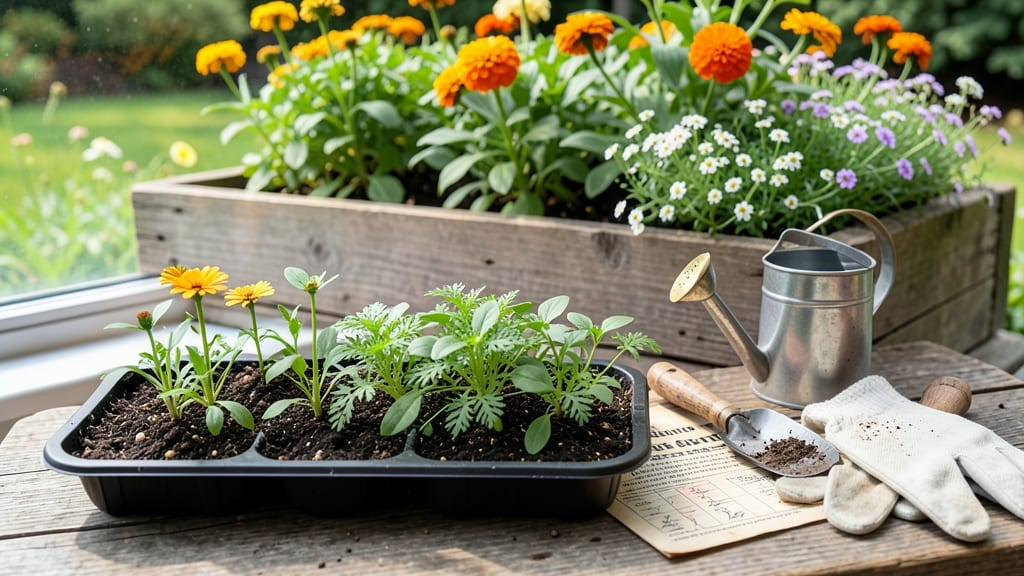
Planting flower seeds in Michigan at the right time means the difference between a garden bursting with color and a season of disappointment.
Timing your flower seeds in Michigan’s unpredictable climate can mean the difference between a vibrant summer garden and wasted effort—avoid these common mistakes and get your blooms off to the right start.
With USDA zones 5b-6b, the last frost typically arrives between mid-April and early May, but that window shifts depending on whether you’re in Detroit, Grand Rapids, or Traverse City.
Inside, you’ll find the exact frost-free deadlines for your region, how to adjust for microclimates, and the top 5 cold-hardy flowers that thrive in Michigan’s short but sweet growing season.
Michigan flower seed planting deadlines by USDA Zone 5b-6b
Michigan’s USDA Zones 5b-6b offer a 165-day frost-free growing season, but timing your flower seed planting correctly is crucial. The last frost dates vary by region—Detroit averages April 15th, Grand Rapids around May 1st, and Traverse City closer to May 10th.
These differences mean your annuals, perennials, and bulbs need tailored attention to thrive.
For cool-season flowers like pansies or snapdragons, you can start seeds indoors in March (6-8 weeks before last frost). Warm-season favorites such as marigolds or zinnias, however, should wait until soil temperatures reach 60°F+—typically late April to mid-May. Perennials like coneflowers or black-eyed Susans can even handle early spring sowing if protected from frost.
Here’s your region-specific planting timeline for Michigan’s most popular flowers, including adjustments for early bloomers, heat lovers, and cold-hardy varieties:
| Flower Type | Best Planting Window | Regional Adjustments | Notes |
|---|---|---|---|
| Cool-Season Annuals (Pansies, Snapdragons) | March (indoors) or April 1–15 (outdoors) | Detroit: 2 weeks earlier; Traverse City: 1 week later | Tolerates light frost; mulch for extended blooms |
| Warm-Season Annuals (Marigolds, Zinnias) | Late April–Mid-May (after last frost) | Grand Rapids: Wait until May 1; Traverse City: May 10 | Soil must be 60°F+; use row covers if early planting |
| Perennials (Coneflowers, Black-Eyed Susans) | April 15–May 15 (direct sow) or March (indoors) | All regions: Protect seedlings with cloches if frost risk | Slow to establish; water deeply after planting |
| Bulbs (Tulips, Daffodils) | September–October (fall planting) | All regions: Plant 6 weeks before first frost | Chill requirement critical; mulch after planting |
| Heat-Tolerant Annuals (Sunflowers, Cosmos) | Late May–June (after soil warms) | Detroit: Best after May 15; Traverse City: June 1 | Drought-resistant; ideal for late-season color |
If you’re planting cold-hardy annuals like sweet alyssum or calendula, you can cheat the system by sowing as early as March under grow lights or in a greenhouse.
For heat-loving varieties, wait until late May to avoid stunted growth from cool soils. Perennials like bee balm or phlox can handle early spring sowing if you use row covers to protect tender seedlings.
For Detroit gardeners, aim to have warm-season flowers in the ground by April 20th to maximize bloom time.
In Grand Rapids, hold off until May 1st to avoid late frosts, while Traverse City’s cooler climate demands May 10th as your cutoff. Microclimates near lakes (like Grand Haven) may extend your season by 1–2 weeks due to lake-effect warming.
Don’t forget about fall planting for cool-season annuals like stock or sweet peas. Sow seeds September 1–15 for blooms next spring—just be sure to mulch heavily to protect roots from winter freeze-thaw cycles. Bulbs like crocuses or snowdrops
How to adjust planting times for Michigan’s microclimates
Michigan’s diverse geography creates unique microclimates that can shift your planting timeline by weeks. Urban areas like Detroit often experience urban heat islands—concrete and pavement trap heat, delaying frost in spring by 7-10 days compared to rural zones.
Meanwhile, lake-effect zones near Lake Michigan (like Traverse City) can have cooler, wetter springs that push planting back until mid-May.
High-altitude regions, such as the Upper Peninsula, may face earlier frosts in fall, requiring you to plant heat-tolerant annuals like zinnia or marigold for extended blooms. Even within USDA Zone 5b-6b, these variations mean one-size-fits-all advice fails. Adjusting for your specific microclimate ensures your flower seeds thrive.
Adjusting Planting Times by Microclimate
| Microclimate Type | Adjustment Strategy | Pros | Cons |
|---|---|---|---|
| Urban Heat Islands | Plant heat-loving flowers (e.g., lantana, salvia) 2 weeks earlier than rural areas. Use shade cloth for delicate blooms. | Longer growing season; fewer frost risks. | Higher water needs; soil dries faster. |
| Lake-Effect Zones | Delay planting by 10-14 days; opt for cold-hardy annuals like pansies or snapdragons. | Cooler soil = better germination for some seeds. | Higher humidity increases fungal risks. |
| High-Altitude Areas | Start seeds indoors 8-10 weeks early; choose short-season varieties (e.g., cosmos, sunflower). | Avoids late-season frost damage. | Limited plant selection for fall blooms. |
🌱 Pro Tip: Use a soil thermometer to confirm 60°F+ soil temps before direct sowing in any microclimate.
For urban gardens, focus on drought-resistant flowers like black-eyed Susan or coneflower, which thrive in hot, dry conditions. In lake-effect areas, prioritize moisture-loving perennials such as hostas or astilbe to complement your annuals.
High-altitude gardeners should leverage cold frames or row covers to extend the season for tender annuals like petunias.
Cold-hardy flowers like shasta daisies or bearded iris defy Michigan’s rules by blooming earlier in spring and later in fall than most annuals. Plant them 2-3 weeks before your typical last frost date for bold, early color.
Pair them with heat-tolerant annuals like portulaca or verbena to create a long-blooming display.
Monitor local weather forecasts and use frost-free date calculators (like those from Michigan State University Extension) to fine-tune your schedule. In Detroit’s urban core, you might plant marigolds by April 20th, while in Traverse City, wait until May 5th.
These adjustments ensure your flower seeds germinate and grow when conditions are ideal.
Experiment with succession planting in microclimates where frost dates vary. For example, sow cosmos seeds every 2 weeks from late May through June to enjoy blooms until first frost. This strategy maximizes your garden’s potential and compensates for unpredictable weather patterns across Michigan’s diverse landscapes.