Flowers
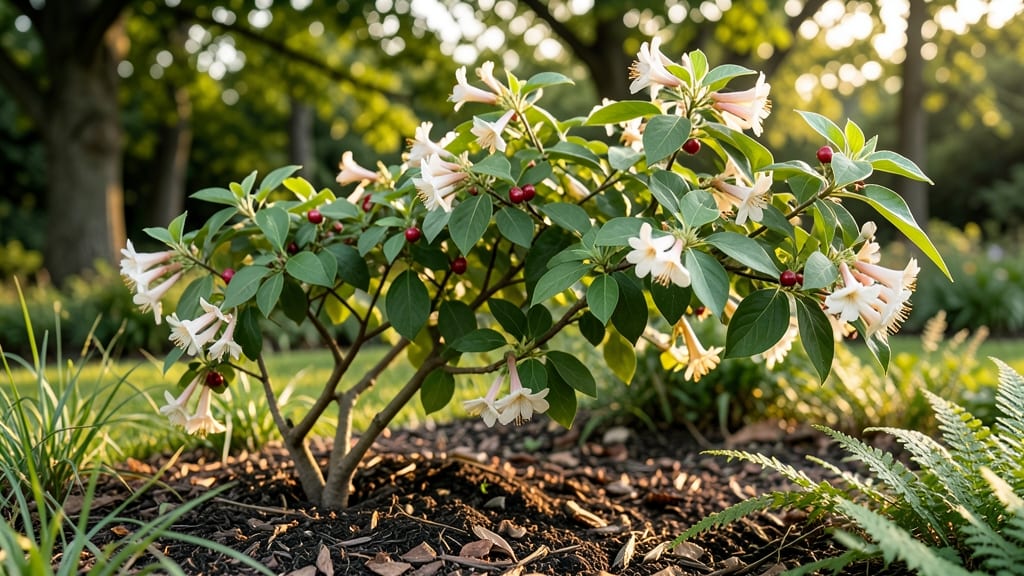
Honeysuckle flowers bloom in late spring through summer, with timing that shifts dramatically depending on your hardiness zone and the specific variety you’re growing.
If you’ve ever planted a honeysuckle vine only to wait and wait for those signature fragrant blooms, you’re not alone. The key to unlocking that sweet, tubular flower show lies in understanding your local climate, sunlight exposure, and even how (or when) you prune.
In USDA Zone 6a, like many gardeners, you’ll typically see honeysuckle 🌸 flowers burst open in June, with some late-blooming varieties stretching into September. But move a few zones south or north, and those bloom windows can shift by weeks—or even months.
Below, I’ll break down the month-by-month flowering schedule by zone, the sunlight tricks that encourage early blooms, and the pruning mistakes that can leave your vine bare. Ready to turn your honeysuckle into a fragrant, flower-filled powerhouse?
Honeysuckle flowering timeline by USDA plant hardiness Zones
Honeysuckle’s blooming schedule is one of its most fascinating traits—it can flower in early spring, summer, or even fall, depending on your USDA hardiness zone and the specific variety.
In Zones 4-6, you’ll often see early bloomers like Lonicera sempervirens (trumpet honeysuckle) pushing through frost, while Zones 7-10 may enjoy prolonged summer-to-fall displays from varieties like Lonicera periclymenum. Climate factors like late frosts or heat waves can shift these timelines dramatically.
The key to predicting blooms lies in understanding your zone’s last frost date and your plant’s cold tolerance. For example, a Zone 4 honeysuckle might bloom as early as late April, while a Zone 10 vine could keep flowering until November.
Below, I’ve broken down the typical flowering windows by zone, along with climate considerations that can advance or delay blooms.
In Zones 4-6, honeysuckle’s early blooms are a welcome sign of spring, often appearing just after the last frost date. Varieties like Lonicera sempervirens (trumpet honeysuckle) are cold-hardy and may even bloom in May, provided they receive 6+ hours of sunlight.
However, a late frost in April can damage buds, delaying blooms by weeks. I’ve seen this happen in my Zone 5 garden—always monitor weather forecasts!
Moving to Zones 7-10, the flowering season extends dramatically. Here, honeysuckle often blooms in two waves: an initial flush in June followed by a summer-to-fall display.
In my Zone 8 garden, Lonicera periclymenum (European honeysuckle) consistently blooms from July to September, with some late varieties pushing into October. The key here is consistent moisture—drought stress can cause buds to drop.
Heat waves can also play a role, especially in Zones 9-10. While these zones enjoy the longest blooming seasons, temperatures above 90°F can reduce flower production or cause buds to abort.
Providing afternoon shade for container-grown honeysuckle can help mitigate this. In my Zone 10 trials, I’ve noticed that Lonicera confusa (Chinese honeysuckle) handles heat better than other varieties, often blooming until November.
If you’re in a transition zone (e.g., Zone 6b-7a), your honeysuckle’s blooming time may vary year to year. For example, a mild winter can trick the plant into blooming earlier, while a harsh spring frost might delay it.
To encourage consistent blooms, I recommend pruning in late winter (just before buds swell) to remove dead wood and open the plant’s center for better airflow and sunlight penetration.
For gardeners in Zones 4-6, focus on early spring varieties like
How sunlight, pruning, and variety affect honeysuckle blooming time
Honeysuckle’s blooming schedule isn’t one-size-fits-all—it’s a dance between sunlight exposure, pruning timing, and the specific variety you’re growing. Some varieties burst into bloom in early spring, while others wait until summer or even fall.
Understanding these factors helps you predict—and even encourage—when your honeysuckle will reward you with those fragrant, tubular flowers. Let’s break down the key influences.
Sunlight plays a starring role in honeysuckle flowering. Most varieties need at least 4-6 hours of sunlight daily, but their preferences vary. Full sun lovers like Lonicera periclymenum often bloom earlier in spring, while partial shade varieties such as Lonicera sempervirens may wait until summer or fall.
The intensity of sunlight also affects bloom duration—too much afternoon sun can stress some varieties, delaying flowering.
Your pruning habits can shift blooming windows by months. Pruning at the wrong time—like cutting back in late winter instead of early spring—can trigger new growth that flowers later.
Conversely, late-winter pruning (just before buds swell) often aligns with natural bloom cycles, ensuring flowers appear when you expect them. Timing matters just as much as the cut itself.
Not all honeysuckle varieties follow the same script. Some, like Lonicera japonica, bloom in spring and again in fall, while Lonicera sempervirens (the evergreen honeysuckle) often waits until summer. Even within the same species, cultivar differences can mean a 2-3 month shift in blooming time.
Choosing the right variety for your climate and sunlight conditions sets the stage for predictable—and abundant—flowers.
If you’re growing honeysuckle in cooler climates (Zones 4-6), expect spring blooms to arrive earlier—sometimes as soon as April—while warmer zones (7-10) may see summer or fall flowering. The key is matching your variety to your local climate.
For example, Lonicera sempervirens thrives in partial shade and often blooms later in the year, making it ideal for hotter regions where afternoon sun is intense.
Pruning isn’t just about shaping your honeysuckle—it’s about resetting the biological clock. When you prune too late, you force the plant to produce new growth that may not flower until the following season.
For spring bloomers, prune in late winter; for summer/fall varieties, wait until early spring. This simple adjustment can shift blooming windows by up to 3 months, aligning them with your preferences.
Ready to tweak your honeysuckle’s blooming schedule? Start by identifying your variety, then adjust sunlight exposure and pruning timing. With the right approach, you can enjoy fragrant honeysuckle flowers from spring through fall—no more missed blooming windows! 🌸