
Flowers
Planting sunflowers in Georgia between mid-March and early July unlocks their full potential—from towering 14-foot giants to cheerful 2-foot dwarfs, all thriving in your 7b-8b climate.
But here’s the catch: rush the timing, and you’ll watch your seeds rot in cold soil or bolt in the heat. Skip the frost dates, and your sunflowers might never mature before Georgia’s November chill arrives.
This guide breaks down the exact windows for your region—whether you’re in the Piedmont’s rolling hills or the Coastal Plain’s humid stretch—plus how to prep soil, pick the right varieties, and even squeeze in a fall crop.
Ready to grow sunflowers that bloom on schedule? Let’s get your seeds in the ground at the perfect moment.
Georgia sunflower planting deadlines by region: frost dates & last safe planting times
Georgia’s diverse climate—from the cool Blue Ridge Mountains to the humid Coastal Plain—means sunflower planting deadlines vary dramatically by region. Getting the timing wrong can mean stunted growth, missed blooms, or worse.
Here’s your region-by-region guide to planting sunflowers in Georgia, including last safe planting dates and frost-free windows to maximize your chances of towering, golden success.
Sunflowers thrive in Georgia’s USDA Zones 7b-8b, but microclimates create big differences. Whether you’re in North Georgia’s high elevations or the South’s warmer lowlands, knowing your frost dates is critical.
The average last frost date ranges from early March in the south to mid-April in the mountains, while the first frost arrives as early as mid-November in the north.
For spring planting, aim to sow seeds 2-3 weeks after your region’s last frost date. In Georgia, this typically means mid-March to early April in most areas, but mountain gardeners should wait until late April to avoid frost damage.
Fall planting is trickier—sunflowers need 90-120 days to mature, so your last planting window shifts from late July in the south to early July in the north.
| Region | USDA Zone | Avg. Last Frost | Spring Planting Window | Last Safe Fall Planting | Notes |
|---|---|---|---|---|---|
| North Georgia (Mountains) | 7b | Mid-April | Late April - May 15 | Early July | Cooler temps; use fast varieties |
| Piedmont | 7b-8a | Early April | Mid-April - May 10 | Late July | Moderate climate; ideal for most varieties |
| Central Georgia | 8a | Mid-March | Late March - April 30 | Early August | Longer growing season; great for tall varieties |
| South Georgia (Coastal) | 8b | Early March | Mid-March - April 15 | Late August | Warmest zone; can plant twice yearly |
| Coastal Plain | 8a-8b | Late February | Early March - April 10 | Mid-August | Humid summers; watch for mildew |
In North Georgia’s mountains, where frost lingers until mid-April, I recommend starting seeds indoors in late March
Ideal soil temperature & moisture conditions for sunflower germination in Georgia
Sunflowers need warm soil to germinate properly, and Georgia’s spring weather can be unpredictable—sometimes too cold, sometimes too wet. The minimum soil temperature for sunflower seeds to sprout is 60°F, but they thrive best when soil reaches 70°F or warmer.
If you plant too early, your seeds may rot in cold, damp soil instead of sprouting.
Checking soil temperature is easier than you think. Use a soil thermometer (available at garden centers for under $10) to test your garden bed in the morning.
If the reading is below 60°F, wait a few days or even a week—Georgia’s soil warms quickly once the sun stays out longer. Patience here prevents wasted seeds and frustration.
- 1. Test soil warmth with a thermometer—aim for 60°F+ before planting.
- 2. Wait for consistent warmth: Soil should stay above 60°F for 3+ days in a row.
- 3. Pre-warm seeds (optional): Soak seeds in warm water for 4 hours to jumpstart germination.
- 4. Plant 1 inch deep in loose, well-draining soil—never deeper or they’ll struggle.
- 5. Keep soil moist (not soggy) until sprouts appear—1-2 inches of water per week.
- 6. Thin seedlings to 12 inches apart once they’re 4-6 inches tall for strong stems.
Moisture is just as critical as temperature. Sunflower seeds need consistent moisture to germinate, but they’ll rot if the soil stays waterlogged. After planting, keep the soil evenly moist (like a damp sponge) until sprouts emerge.
A simple trick? Water deeply in the morning and avoid overhead sprinkling, which can wash seeds away or encourage fungal diseases.
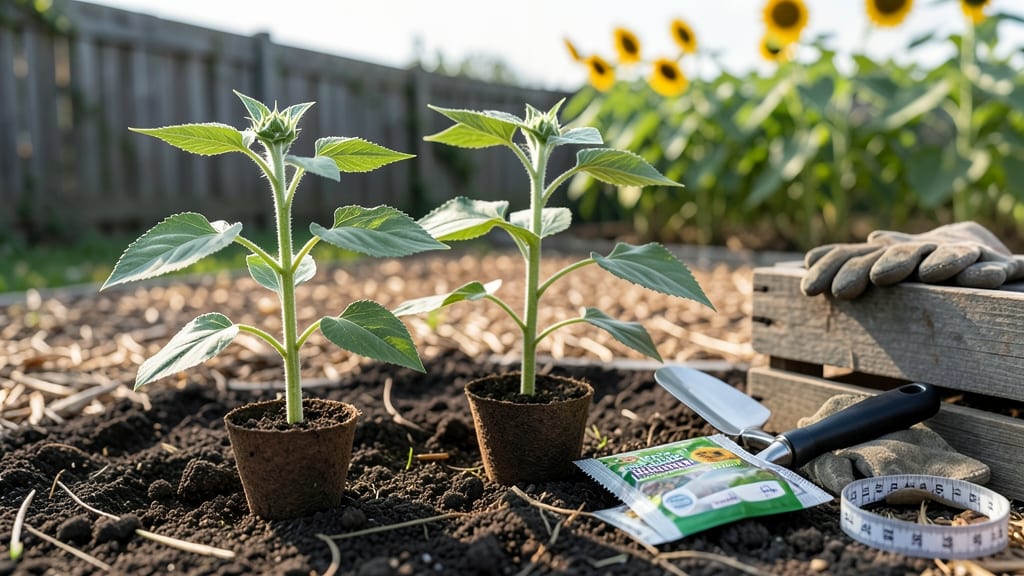
If Georgia’s spring rains delay your planting, consider starting seeds indoors 2-3 weeks before your last frost date. Use biodegradable pots and transplant seedlings outdoors once soil warms to 60°F.
Just be sure to harden them off first—place them outside for a few hours each day leading up to transplanting to avoid shock.
Watch for these germination signs: Tiny green shoots should appear in 7-14 days under ideal conditions. If sprouts take longer than 2 weeks, your soil may be too cold or too dry.
Once you see the first leaves (called cotyledons), reduce watering slightly—overwatering at this stage can weaken young stems.
Don’t let Georgia’s unpredictable weather ruin your sunflower dreams. By monitoring soil temperature, adjusting planting timing, and keeping moisture balanced, you’ll give your seeds the best possible start. Soon, you’ll be enjoying those cheerful faces turning toward the sun—just like they’re supposed to! 🌻