Flowers
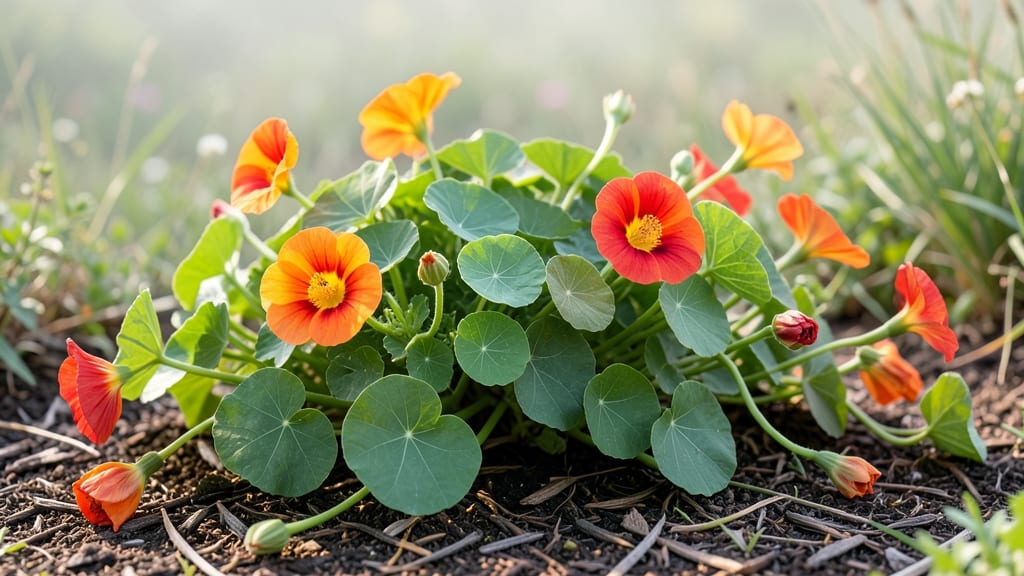
Nasturtium flowers bloom between late spring and early fall 🌸, with peak color showing up in June through September when planted at the right time and in the right zone.
Wondering why your nasturtium seeds haven't sprouted into vibrant blooms yet? Timing is everything—these edible, butterfly-magnet flowers thrive when planted at the perfect moment, but deadlines vary dramatically across USDA zones.
In Zone 6a, where many gardeners live, sow seeds 4–6 weeks before your last frost date (typically mid-April) for summer-long blooms. Too early, and frost will nip tender seedlings; too late, and you’ll miss the first flush of flowers.
Below, I’ll break down the exact planting windows by zone, how to adjust for early or late blooms, and the simple tricks to keep your nasturtiums flowering all season long.
Nasturtium bloom timing by USDA Zone: exact planting deadlines
Timing your nasturtium planting is the secret to those vibrant orange, yellow, and red blooms that appear by midsummer. Since these cool-season annuals are frost-sensitive, your USDA zone determines whether you plant in early spring or late summer for fall blooms.
Get it wrong, and you'll miss their 60-day bloom window entirely.
Nasturtiums thrive when soil temperatures reach 60°F+, but they can't handle frost. This means gardeners in Zone 1 must wait until late May, while those in Zone 11 can plant as early as February.
The key is aligning your planting with your last frost date and first frost date.
Here's your zone-by-zone planting deadline to ensure continuous blooms from summer through fall:
For Zone 6a gardeners (like me), planting in early April ensures blooms by late May. If you're in Zone 10, you can enjoy year-round blooms with staggered plantings every 6-8 weeks.
The key is maintaining consistent soil warmth—use black plastic mulch in cooler zones to speed up germination.
Pro tip: Fall plantings work best in Zones 6-11. Sow seeds 8-10 weeks before your first frost for autumn color. In Zone 9, I planted mine in early July and enjoyed September-October blooms before winter set in.
Watch for soil temperature—nasturtium seeds won't germinate below 60°F. Use a soil thermometer to confirm readiness. In Zone 5, I wait until mid-May when soil hits 65°F—any earlier and germination stalls.
Once planted, nasturtiums bloom 60-90 days later, depending on variety and growing conditions. 'Alaska' mix typically blooms 60 days after planting, while 'Empress of India takes 75-90 days. Plan ahead by choosing early-blooming varieties if you want summer-long color.
Don't forget: Deadheading spent blooms extends your flowering season by encouraging new growth. In my Zone 7 garden, this simple trick adds 4-6 extra weeks of vibrant blooms compared to neglected plants.
For container gardening, start seeds 4-6 weeks earlier than your zone's deadline—pots warm up faster than soil. I've had Zone 6 containers bloom 3 weeks earlier by planting in mid-March under grow lights.
Remember: Nasturtiums hate cold feet. Even a light frost can kill young plants, so always check your local frost dates and plant after the last frost—no exceptions. With
Peak blooming months for nasturtiums: color calendar by region
Nasturtiums burst into color like nature's confetti, but their peak bloom timing shifts dramatically depending on where you live.
In northern climates (USDA Zones 3-6), you'll see those vibrant orange, yellow, and red blooms stretching from late June through September, while southern gardeners (Zones 7-11) enjoy continuous flowering from March to November. The secret?
Understanding your region's frost-free window and using simple tricks like deadheading to extend the show.
Your location determines when nasturtiums first appear and how long they'll keep you smiling. Northern gardeners often wait until mid-summer for their first blooms, while southern gardeners might spot early spring flowers as soon as soil warms.
The key difference? Heat tolerance—southern varieties handle summer's intensity better, while northern plants focus their energy on early flowering before cooler weather arrives.
- 1 Northern Climates (Zones 3-6): First blooms appear in late June, peak in July-August, and continue until first frost (October). Plant 4-6 weeks before last frost for summer color.
- 2 Transition Zones (7-8): Blooms start in May, peak June-September, and may continue until November with deadheading. Ideal for year-round color with staggered plantings.
- 3 Southern Climates (9-11): Continuous blooms from March through November, with peak intensity June-August. Plant fall or winter for spring blooms or spring for summer color.
- 4 Deadheading Tip: Snip spent blooms weekly to trigger new flower production and extend season by 30-50%. Use clean bypass pruners to avoid damaging stems.
To maximize your nasturtium's flowering potential, time your plantings right. In cool climates, sow seeds indoors 4-6 weeks before last frost or directly outdoors after soil reaches 60°F.
In warm regions, plant fall-winter for spring blooms or spring for summer color. This staggered approach ensures continuous blooms throughout your growing season.
Don't let late-season heat or early frosts steal your nasturtium show. In northern gardens, protect plants with row covers to extend blooms into early October.
Southern gardeners can plant heat-tolerant varieties like 'Empress of India' to handle summer's intensity while still producing vibrant blooms. The right variety makes all the difference!
For extended flowering, combine deadheading with light fertilization using a 5-10-10 NPK blend every 6 weeks during the growing season. Avoid high-nitrogen feeds—these promote leafy growth at the expense of flower production. Instead, focus on balanced nutrition and consistent moisture to keep your nasturtiums blooming like clockwork.
Now that you know the perfect bloom windows for your region, grab your pruners and get ready for a season of color! Whether you're in frost-prone Zone 4 or tropical Zone 10, nasturtiums will reward you with months of cheerful blooms—just follow these regional guidelines.
Happy gardening! 🌸