
Flowers
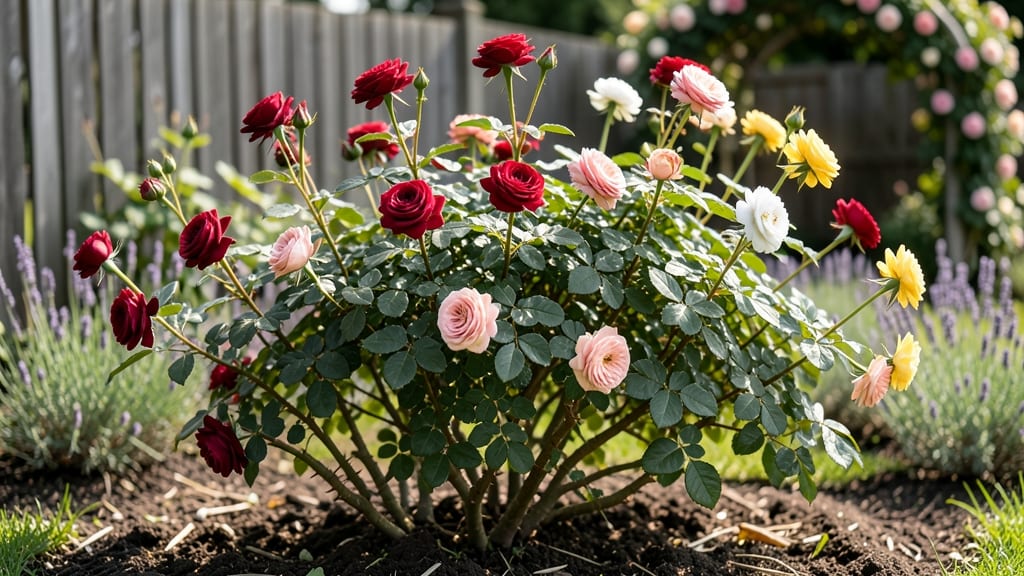
The flowering season of the rose spans spring through fall, but the exact timing depends on your USDA zone and the variety you grow 🌹—and getting it right can mean the difference between a garden bursting with color and one that feels disappointingly sparse.
If you’ve ever wondered why your roses bloom at different times—or why some varieties seem to defy seasonal expectations—this guide reveals the exact flowering windows for roses across USDA zones and popular varieties, so you can plan your garden like a pro.
From early bloomers like David Austin English Roses, which kick off the season in late spring, to late-season climbers that linger into October, the right timing matters.
Learn how climate, pruning, and even soil type can shift your blooms by weeks—and how to extend that vibrant display with simple care tweaks.
Whether you’re in Zone 6a or a warmer region, we’ll break down when to expect blooms, which varieties perform best, and the 3 key strategies to keep your roses in full glory longer than ever before.
USDA Zone flowering calendar: when roses bloom by region
Roses are nature’s showstoppers, but their flowering season varies wildly depending on your USDA zone. In Zone 3, frosty mornings may delay blooms until June, while Zone 10 roses might burst into color as early as February.
Understanding these patterns helps you choose the right rose varieties and plan your garden’s seasonal highlights. Let’s break down when to expect blooms in each zone, including early, mid-, and late-season favorites.
Climate plays a huge role in rose blooming times. Cooler zones like Zone 4-6 often see shorter seasons, while warmer zones like Zone 7-10 enjoy extended blooming periods. Even within a zone, microclimates—like urban heat islands or sheltered garden spots—can shift bloom times by 2-4 weeks.
For example, a David Austin rose in Zone 5 might bloom in late May, but in a sunny microclimate, it could start as early as mid-May.
Here’s a month-by-month guide to rose blooming seasons across USDA zones, featuring popular varieties and their typical bloom windows:
In Zone 3-4, where winters are harsh, roses like 'Bonica' and 'Double Delight' are reliable early bloomers, often producing their first flush in late May. These zones benefit from hardy shrub roses that tolerate cold snaps.
If you’re in Zone 5-6, you’ll see a longer season with hybrid teas like 'Mister Lincoln' blooming from June through September. Late-season varieties such as 'The Fairy' extend color into October.
Warmer zones like Zone 7-8 are ideal for reblooming roses. Varieties like 'Earth Song' and 'Julia Child' can produce blooms from March through November, giving you a near-continuous display. In these zones, climbing roses like 'New Dawn' also shine, with late-season blooms in October.
For Zone 9-10, roses are almost year-round performers. Tropical varieties like 'Tropical Sunrise' bloom in January and continue through the year, with lighter blooms in December.
Choosing the right rose variety for your zone ensures you’ll enjoy blooms when you want them. For example, if you live in Zone 5 and want spring color, plant 'Gertrude Jekyll', which blooms in May.
For summer-long blooms, 'Double Delight' is a winner. In Zone 9, 'Black Baccara' delivers dramatic blooms from March to November. Always check a variety’s USDA zone rating before planting to avoid disappointment.
Microclimates can also shift bloom times. A south-facing wall might warm your garden enough to coax blooms 2-3 weeks earlier in cooler zones. Conversely, a shady spot could delay blooms by 1-2 weeks.
Pay attention to your garden’s unique conditions and adjust your expectations accordingly. For instance, a Zone 6
Top 10 rose varieties ranked by flowering season length
Not all roses bloom for the same duration—some varieties put on a short but spectacular show, while others stretch your garden’s color from spring to frost. If you love nonstop blooms, certain roses are your best bet.
I’ve ranked the top 10 roses by their flowering season length, so you can choose varieties that keep your garden vibrant the longest.
For example, hybrid teas like 'Double Delight' typically bloom for 8-10 weeks per season, while climbing roses such as 'New Dawn' can flower continuously for 6 months or more. The key difference? Reblooming frequency and climate adaptability. Let’s dive into the rankings to find your perfect long-blooming match.
At the top of the list is 'New Dawn', a climbing rose that blooms almost year-round in mild climates. Its white, quartered blooms appear in spring and continue through fall, making it ideal for arches and trellises.
If you’re after low-maintenance blooms, 'Knock Out®' roses are a game-changer—they flower from spring to frost with minimal pruning.
For color variety, 'Flower Carpet®' roses offer continuous groundcover blooms in shades like pink, red, and yellow. These dwarf shrubs thrive in USDA Zones 4-9 and require little deadheading, perfect for border gardens.
Meanwhile, 'Double Delight' delivers bold, two-tone blooms for 8-10 weeks per season, but needs regular pruning to rebloom.
If you’re in cooler climates (Zones 3-5), prioritize hardy climbers like 'Zephirine Drouhin', which blooms late spring to early fall. In warmer zones (8-10), 'Tropical Sunset' extends blooms into winter with its heat tolerance.
The secret? Proper pruning and seasonal care—more on that in the next section!
To maximize your rose garden’s color palette, mix early bloomers (like 'Iceberg' in spring) with late-season stars (such as 'Belinda’s Dream' in fall). This ensures nonstop color from May to October in most zones.
For cut flowers, hybrid teas like 'Mister Lincoln' offer long vase life and seasonal reblooming.
Choose roses based on your garden’s sunlight, climate zone, and maintenance tolerance. With the right mix, you’ll enjoy roses in bloom for 6 months or more—no seasonal gaps! 🌹