
Flowers
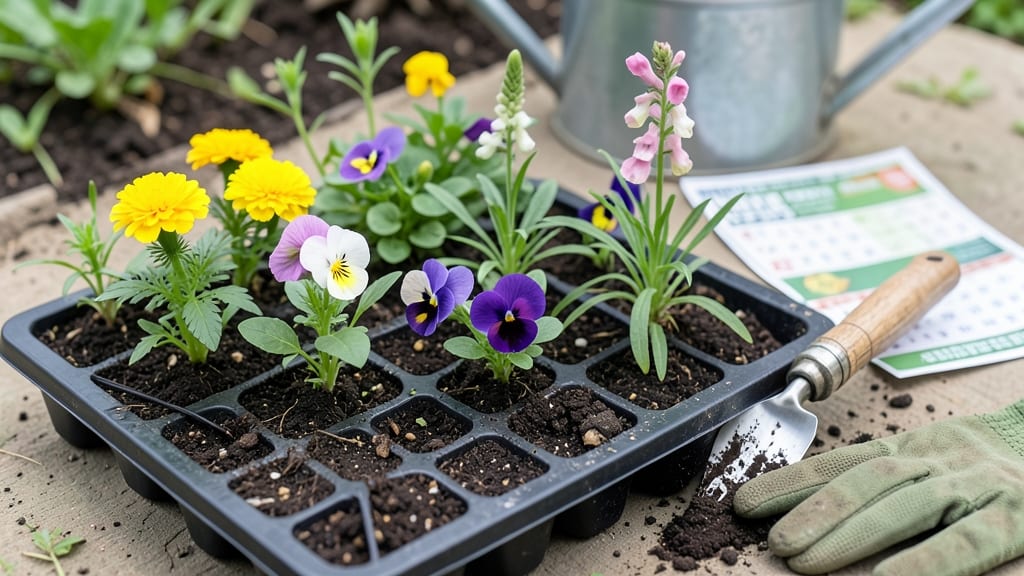
You can start planting flowers about 2-4 weeks before your last frost in spring or 6-8 weeks before the first frost in fall, depending on the type and your climate zone.
Timing is everything when planting flowers—get it wrong, and you risk stunted growth, weak blooms, or even total failure. But with the right climate-smart approach, you can maximize your garden’s potential year-round, no matter where you live.
For Zone 6a, like many gardeners, that means aiming for early March to early April in spring or late August to early September in fall. Annuals like marigolds or zinnias need warmth to thrive, while perennials like coneflowers can handle cooler starts.
Below, I’ll break down the best planting windows by region, how to adjust for early or late bloomers, and 5 common mistakes that sabotage your flowers before they even sprout.


Best flower planting times by US hardiness Zones (2024 guide)
Timing your flower planting by your USDA hardiness zone is the secret to vibrant blooms and healthy plants. In colder zones like Zone 5, you'll need to start indoor seeds 6-8 weeks before the last frost, while Zone 10 gardeners can plant year-round with minimal frost concerns.
Each zone has its own optimal planting window that aligns with soil temperatures and frost patterns.
Understanding these windows helps you avoid common mistakes like planting frost-sensitive annuals too early or missing the fall planting deadline for cool-season flowers. Whether you're growing marigolds, daylilies, or tulip bulbs, knowing when to plant ensures your flowers thrive from the first bloom to the last frost.
| Zone | Spring Planting Window | Fall Planting Window | Key Considerations |
|---|---|---|---|
| Zones 1-4 | 4-6 weeks before last frost (April-May) | 6-8 weeks before first frost (August-September) | Start seeds indoors early; use row covers for tender plants |
| Zones 5-7 | 2-4 weeks before last frost (March-April) | 6-8 weeks before first frost (September-October) | Soil warming mats help in cooler springs; mulch for fall protection |
| Zones 8-9 | February-March (soil temps 60°F+) | October-November (before hard frosts) | Longer growing season; plant heat-lovers like zinnias in summer |
| Zone 10+ | Year-round (with seasonal adjustments) | Year-round (succession planting) | Monitor for pests; shade cloth for summer heat |
| All Zones | Bulbs: Fall planting (Sept-Nov) | Perennials: Early spring or fall | Test soil temps; adjust for microclimates |
In Zones 1-4, where winters are harsh, I always start annual seeds indoors in late winter to give them a head start. For example, petunias and geraniums need 6-8 weeks under grow lights before transplanting outdoors after the last frost.
Meanwhile, perennials like coneflowers can handle colder soils, so I plant them as soon as the ground is workable in early spring.
Moving to Zones 5-7, the planting window shifts slightly later. Here, I focus on soil temperature—most seeds won’t germinate until the soil reaches 60°F.
I use a soil thermometer to track progress and often plant cool-season crops like pansies in early spring or late summer for fall blooms.
In my experience, Zone 6 gardeners can push the envelope by planting hardy annuals like calendulas as soon as the snow melts, but I always cover them with frost cloth just in case.
In warmer Zones 8-9, the rules change dramatically. Here, I can direct-sow marigolds and sunflowers in early February, and zinnias can bloom year-round with proper watering. The key is succession planting: I stagger my plantings every 2-3 weeks to ensure continuous blooms.
For example, I might plant cosmos in February, then again in April, and once more in June to extend the season.
For Zone 10+ gardeners, the biggest challenge is heat tolerance. Many flowers bolt or struggle in summer temperatures above 90°F. My solution? I plant heat-loving varieties like portulaca and lantana in early spring and late summer, while using shade cloth for delicate flowers during peak heat.
I also take advantage of the year-round growing season by planting spring bulbs in fall and fall bloomers like chrysanthemums in early summer.
Regardless of your zone, bulbs deserve special attention. Most spring-blooming bulbs like tulips and daffodils need to be planted in fall (
How to adjust planting schedules for early vs. late bloomers
Extending your garden's bloom season is all about understanding flower temperature preferences and planting timing strategies. Cool-season flowers like pansies and snapdragons thrive when nights are chilly, while zinnias and marigolds need warm soil to flourish.
The key is matching each variety to its ideal growing window while using succession planting to keep color going all season.
Start by checking your last frost date and first frost date—these anchor points help you schedule both cool-season and warm-season flowers. For example, in Zone 6a, I plant cool-season flowers like calendula in early spring (March) and again in late summer (August) for fall blooms.
Meanwhile, heat-loving sunflowers go in after the last frost, typically late April or May.
🌱 5 Key Planting Timing Strategies
- 1. Cool-Season Flowers: Start pansies and snapdragons 6-8 weeks before last frost (e.g., February in Zone 6a) for early spring color. Repeat in late summer for fall blooms.
- 2. Warm-Season Flowers: Plant zinnias and marigolds 2-4 weeks after last frost when soil reaches 60°F+. Use row covers if nights are still cool.
- 3. Succession Planting: Sow basil or cosmos every 3 weeks from spring to mid-summer to maintain continuous blooms.
- 4. Heat-Tolerant Starts: Begin geraniums indoors 8-10 weeks before last frost to transplant after soil warms, giving them a 2-week head start.
- 5. Fall Extenders: Plant asters and chrysanthemums in early August for late-season color before frost.
For succession planting, I recommend a staggered approach: plant half your seeds at the recommended time, then repeat every 2-3 weeks for varieties like nasturtiums or sunflowers. This ensures you always have fresh blooms as older ones fade.
For example, in my garden, I plant cosmos in three batches—early May, late May, and early June—to enjoy them from June through October.
Don’t forget to harden off seedlings properly before transplanting. If you’re starting heat-loving flowers indoors, move them outdoors for 6-8 hours daily 1 week before planting. This gradual exposure prevents shock and helps them adjust to outdoor conditions.
I also mulch heavily around cool-season flowers to protect roots from late spring frosts, which can still occur in Zone 6a.
Monitor your garden’s microclimates—south-facing beds warm up faster than north-facing ones. I’ve found that marigolds planted on the south side of my fence bloom 2 weeks earlier than those on the north side.
Adjust your schedule accordingly, and consider using black plastic mulch to warm soil for warm-season flowers in cooler climates.
Finally, keep a planting journal to track what works best in your garden. Note which flowers thrive with early starts, which need succession sowing, and which struggle in your climate. Over time, you’ll fine-tune your schedule to create a nonstop bloom parade from spring through fall. 🌼