
Flowers
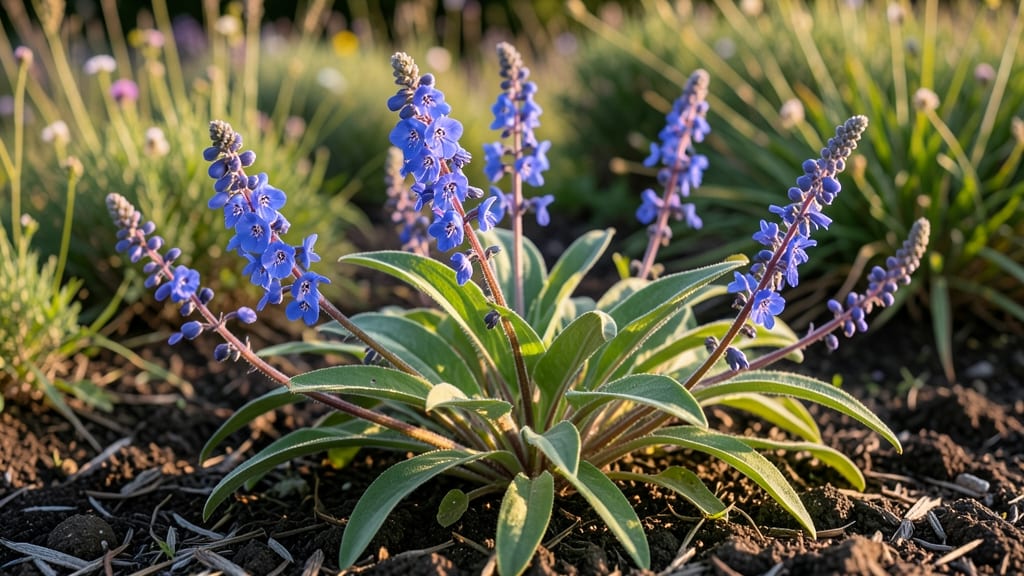
The blue spiderwort daylily flower brings a pop of cool color to gardens with almost no effort—but only if you plant it in the right spot and care for it the right way.
Picture this: vibrant blue blooms that last all season, thriving in USDA Zone 6a and beyond, with minimal fuss. The key? Knowing exactly when to plant, how much sun it needs, and how to protect it from pests that love its tender leaves.
In this guide, you’ll discover the perfect planting window for your region, soil tricks to boost those eye-catching flowers, and year-round care tips to keep your spiderwort blooming like crazy—without turning into a gardening expert.
Whether you’re a beginner or a seasoned gardener, these simple steps will help you grow a spiderwort that’s the talk of the neighborhood—without the guesswork.
USDA zone planting chart for spiderwort daylily blue flower success
If you're dreaming of a garden bursting with vibrant blue spiderwort daylily blooms, understanding your USDA hardiness zone is your first step to success.
These stunning perennials (often confused with true daylilies) thrive in zones 3 through 11, but their cold tolerance and seasonal care needs vary dramatically across regions.
Planting in the wrong zone can mean sparse blooms or winter die-off—so let's match your climate to the perfect planting strategy for year-round color.
For gardeners in cooler zones (3-6), spiderwort daylily's dormancy period becomes crucial, while warmer climates (7-11) demand heat tolerance and drought resistance. Even within these ranges, microclimates—like urban heat islands or sheltered valleys—can shift your plant's needs by 1-2 full zones.
The key is balancing your zone's extremes with the right planting timing and protective measures.
🌱 Did You Know? Some spiderwort varieties (like 'Concord Grape') can survive -20°F winters with proper mulching, while others (like 'Sweet Kate') prefer never seeing frost. Your zone determines which varieties will thrive—and which will fight just to survive.
| USDA Zone | Cold Hardiness | Best Planting Time | Winter Care | Bloom Season |
|---|---|---|---|---|
| 3-4 | -30°F to -20°F | Mid-May to June | Heavy mulch + frost cloth | June-Sept (shortened) |
| 5-6 | -20°F to 0°F | Early May or Sept | 4" mulch + row cover | May-Oct |
| 7-8 | 10°F to 20°F | March-April or Sept | Minimal (light mulch) | April-Nov |
| 9-10 | 20°F to 30°F | Year-round (best in fall) | None needed | Feb-Jan (continuous) |
| 11 | 30°F+ | Any time (avoid heatwaves) | Shade cloth in summer | Year-round |
In zones 3-4, where winters can drop below -20°F, only the hardiest spiderwort varieties (like 'Osprey Blue') will survive. Plant these in full sun with well-draining soil and use black plastic mulch in fall to absorb heat.
For zones 5-6, extend the season by planting divisions in early September—they'll establish roots before frost and bloom earlier next spring.
Gardeners in zones 7-8 enjoy the best of both worlds: longer bloom seasons and minimal winter care. Here, spiderwort thrives in partial shade to prevent leaf scorch. I've found that morning sun with afternoon shade produces the most vibrant blue blooms.
In these zones, container gardening works beautifully—just move pots to sheltered spots during heatwaves.
For zones 9-11, the challenge shifts to heat tolerance. Spiderwort can struggle in 100°F+ temperatures, so provide afternoon shade and increase watering to every 5-7 days. In these climates, spiderwort often blooms year-round if given consistent moisture.
I've seen stunning displays in Southern California gardens where plants bloom in January and February—unheard of in cooler zones.
Microclimates can override your official USDA zone. For example, a south-facing wall might create a zone
How to extend blue flower blooms year-round in different climates
Extending the blue blooms of your spiderwort daylily requires climate-smart strategies tailored to your USDA zone. Whether you're in cold Zone 3 or tropical Zone 11, these techniques will keep your garden vibrant longer. The key lies in understanding seasonal shifts and adapting care routines accordingly.
In cooler climates (Zones 3-6), focus on seasonal pruning and winter protection to preserve energy reserves. Meanwhile, warmer zones (7-11) benefit from deadheading and companion planting to combat heat stress. Let's dive into proven methods that work across all regions.
- 1
- 2
- 3
- 4
- 5
For Zones 3-6, I recommend spring fertilization with a balanced 10-10-10 mix to jumpstart growth after winter dormancy. In warmer zones (7-11), switch to a low-nitrogen formula (5-10-10) in late summer to encourage fall blooming before cooler weather arrives.
One of my favorite tricks is companion planting with bee-friendly herbs like thyme or oregano. These not only attract pollinators but also repel aphids, a common pest that can dull blue flower intensity. Place them within 12 inches of your spiderwort for maximum benefit.
Remember, consistency is key. Whether you're in Alaska's Zone 3 or Florida's Zone 11, sticking to a seasonal care schedule ensures your spiderwort daylily delivers year-round color. Start with these strategies, and you'll enjoy longer bloom seasons with minimal extra effort.