
Blooming
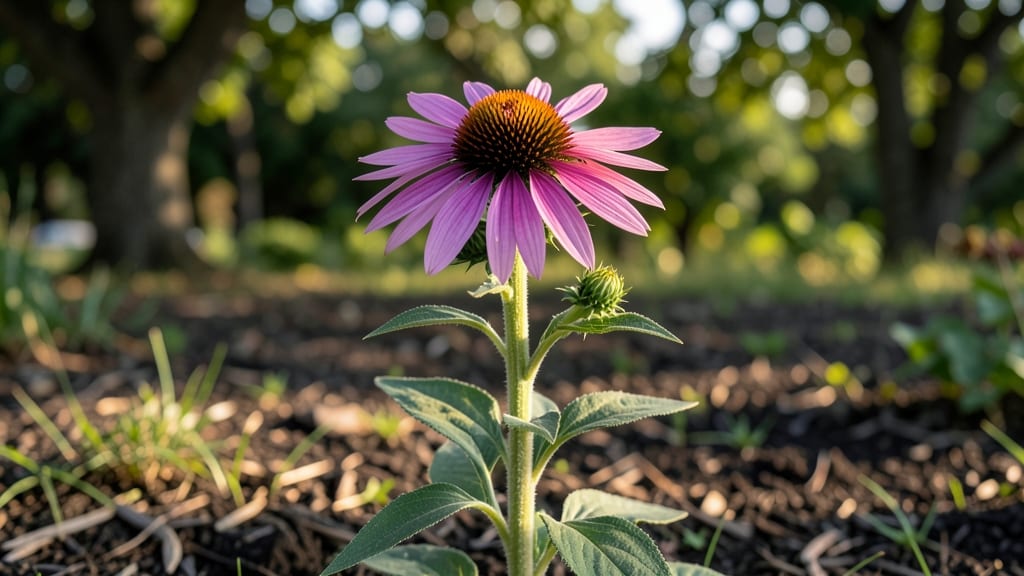
Coneflowers bloom in late summer to early fall 🌼, turning gardens into vibrant purple, pink, and white showstoppers—but their beauty fades fast unless you know how to extend their season.
If you’ve ever admired a coneflower’s bold blooms and wished they lasted longer, you’re not alone. These hardy perennials typically shine from July to September in most U.S. zones, but with the right care, you can coax them into reblooming well into October—or even later.
The secret lies in understanding their natural rhythm: cooler fall temperatures trigger a second flush of flowers, but only if the plant stays healthy. Deadheading spent blooms, feeding with the right nutrients, and choosing reblooming varieties can turn a month-long display into a three-month extravaganza.
In this guide, I’ll break down the exact timing for your zone, the easiest techniques to prolong blooms, and which coneflower types stay showy the longest—so you never have to say goodbye to those cheerful faces too soon.
Understanding coneflower bloom season: natural timing and regional variations
Coneflowers (Echinacea) are one of the most beloved perennial flowers for their bold colors and long-lasting blooms, but their bloom season depends heavily on your USDA hardiness zone and growing conditions.
In most regions, these drought-tolerant plants burst into color from mid-summer to early fall, typically between July and September. However, with the right care, you can coax them into blooming earlier or later in the season.
If you live in cooler climates (USDA zones 3-5), coneflowers often bloom later—sometimes as late as September or October—due to shorter growing seasons. Meanwhile, gardeners in warmer zones (USDA zones 7-9) may see blooms as early as June, stretching into November if conditions are ideal.
Understanding these regional variations helps you plan for the best bloom time in your garden.
🌼 SUMMARY TABLE: Coneflower Bloom Season by USDA Zone
| USDA Zone | Typical Bloom Start | Peak Bloom | Bloom End | Notes |
|---|---|---|---|---|
| 3-5 | Late July | August-September | October | Shorter season; cooler temps delay blooms. |
| 6-7 | Early July | July-August | September-October | Ideal for long bloom periods with proper care. |
| 8-9 | June-July | July-September | November (if reblooming) | Warmer zones may see earlier, extended blooms. |
The natural bloom cycle of coneflowers is triggered by day length and temperature, not just the calendar. As days shorten in late summer, many varieties produce their second flush of blooms, which is why August and September are peak months for most gardeners.
However, reblooming cultivars like 'White Swan' or 'Magnus' can defy this rule, producing continuous blooms from June through frost with the right care.
One of the biggest factors affecting bloom timing is sunlight exposure. Coneflowers thrive in full sun (6+ hours daily), but in hotter climates, they may bolt early or struggle to rebloom.
If you notice your coneflowers blooming too early or fading quickly, it could be a sign of overheating or poor soil drainage. Amending your soil with organic matter and ensuring well-draining conditions can help delay early blooming and prolong the season.
Another key player in bloom season timing is watering consistency. While coneflowers are drought-tolerant once established, they need regular moisture during their first growing season to build strong roots. Deep watering 1-2 times per week (rather than frequent shallow watering) encourages healthier stems and longer-lasting blooms.
In dry climates, mulching around the base of the plant helps retain moisture and extends the bloom period by weeks.
If you're eager to push your coneflowers into blooming earlier, start by planting in spring (after the last frost) rather than fall. This gives them extra time to establish before winter.
For later blooms, focus on deadheading spent flowers—removing faded blooms encourages the plant to produce new buds for an extended display. This simple gardening hack can add 4-6 weeks to your coneflower’s showtime in the garden.
For gardeners in cooler zones, consider planting coneflowers near a south-facing wall or using black plastic mulch to warm the soil and speed up growth. This can help advance bloom time by 2-3 weeks, giving you more vibrant color during the shorter summer months.
Conversely, in hotter zones, providing light afternoon shade during peak summer can prevent heat stress and preserve blooms longer into fall.
One common misconception is that coneflowers only bloom once per season. While many varieties follow this pattern, reblooming hybrids (like 'Hot Papaya' or 'Cheyenne Spirit') can produce multiple flushes of blooms if given the right conditions.
To encourage reblooming, fertilize lightly with a balanced fertilizer (5-10-10) in early summer and prune back about one-third of the plant after the first bloom cycle. This rejuvenates growth and often triggers a second round of flowers by late summer.
Finally, remember that soil health plays a crucial role in bloom timing and longevity. Coneflowers prefer slightly acidic to neutral soil (pH 6.0-7.0) and benefit from compost or aged manure at planting time.
If your soil is too alkaline, amend it with sulfur or peat moss to create ideal conditions for stronger, longer-lasting blooms. Healthy soil means healthier plants, which in turn means more vibrant and prolonged flowering.
By understanding these natural timing cues and regional variations, you can tailor your care routine to get the most out of your coneflowers—whether you're aiming for early summer blooms or a fall display that lasts until frost.
With the right approach, your coneflowers can become a year-round star in your garden! 🌿
5 Proven techniques to extend coneflower blooms for months longer
Coneflowers (Echinacea) are summer garden superstars, but their natural bloom season often fades too quickly. With the right care, you can transform that 4-6 week display into 3-4 months of vibrant color. The key lies in understanding how these perennials respond to specific gardening techniques.
Most coneflowers bloom from mid-summer to early fall, but reblooming varieties like 'Magnus' or 'Hot Papaya' can stretch their show with minimal effort. The secret?
Mimicking their natural growth cycles while removing spent blooms and optimizing their environment. Let’s explore the 5 most effective techniques to keep your coneflowers flowering longer.
- 1 Deadhead Regularly – Remove spent blooms every 2-3 days to prevent seed formation and redirect energy to new flowers. Use clean pruners and cut just above the next set of leaves.
- 2 Strategic Pruning – Trim 1/3 of the plant in early spring to encourage bushier growth. Avoid cutting into old wood—focus on new stems emerging from the base.
- 3 Soil Amendments – Add compost or a balanced fertilizer (5-10-10) in early summer to boost nutrient uptake. Coneflowers thrive in well-draining soil with a pH of 6.0-7.0.
- 4 Watering Schedule – Water deeply once weekly during dry spells, focusing on the root zone. Avoid wetting foliage to prevent powdery mildew, which can stress the plant.
- 5 Companion Planting – Pair coneflowers with drought-tolerant perennials like black-eyed Susans or Russian sage to improve airflow and reduce pests. Avoid planting near competitive species like mint.
Start with deadheading—this alone can extend your coneflower’s bloom season by 3-4 weeks. I’ve seen 'White Swan' coneflowers rebloom twice in one season when deadheaded consistently. Pair this with strategic pruning in spring to encourage dense foliage, which supports more blooms.
Don’t underestimate the power of soil health. A quick soil test can reveal if your coneflowers need phosphorus (for roots) or potassium (for blooms). I recommend a slow-release fertilizer in early summer to avoid overfeeding, which can lead to leafy growth over flowers.
For watering, consistency is key. Coneflowers are drought-tolerant once established, but deep watering encourages deeper roots. I water mine at the base of the plant in the early morning to prevent fungal issues. Mulch with straw or wood chips to retain moisture and suppress weeds.
Finally, companion planting can work wonders. I’ve noticed my coneflowers bloom 2 weeks longer when planted near lavender, which repels pests like aphids. Avoid overcrowding—give each plant 18-24 inches of space for optimal airflow.
With these techniques, your coneflowers will reward you with months-long color, turning your garden into a late-summer oasis. Try one method this season and watch the difference! 🌼