
Light Requirements
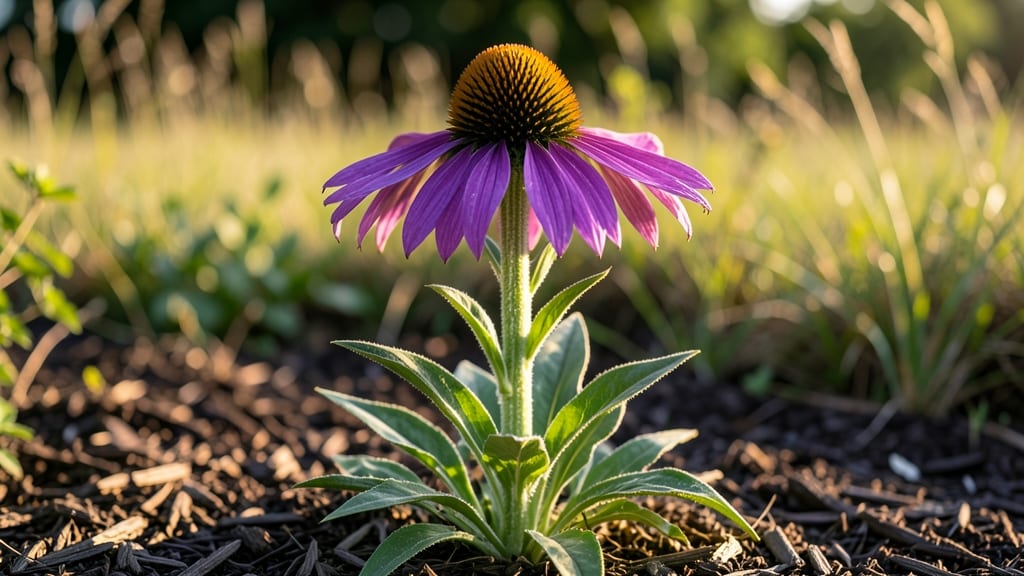
The coneflower light requirements demand at least 6 hours of sunlight daily—the key to those bold blooms you love so much.
Struggling to keep your coneflowers blooming as vibrantly as they do in garden centers? The secret might be hiding in plain sight—your plants' light exposure could be making or breaking their performance.
Too little sun, and you’ll end up with leggy stems and sparse flowers. Too much, and those delicate petals can scorch before they even open.
In USDA Zone 6a, where spring planting kicks off in March, coneflowers crave full sun to build strong roots and produce the vibrant blooms that pollinators adore.
But if your garden is shadier than a cloudy April afternoon, don’t worry—these hardy plants can adapt to partial shade, though you’ll likely see fewer flowers. The trick is balancing their needs with your space’s natural light.
In this guide, I’ll break down exactly how much sun your coneflowers need, how to spot light-related problems, and even how to tweak their environment for healthier, showier blooms—whether you’re growing them in the ground or in containers. Let’s get those 🌼 thriving!

How much sun do coneflowers need for optimal growth?
If you’ve ever marveled at the vibrant purple blooms of Echinacea purpurea in garden catalogs, only to watch your own coneflowers wilt or produce sparse flowers, the culprit might be light exposure.
Coneflowers thrive under specific sunlight conditions, and understanding their sun requirements is key to unlocking their full potential.
These hardy perennials are often labeled as full-sun plants, but not all varieties tolerate the same amount of light—and getting it wrong can stunt growth or reduce blooms by up to 50%.
Most gardeners assume more sun is always better, but coneflowers—especially Echinacea pallida and Echinacea tennesseensis—have nuanced preferences. For example, E. purpurea can handle 6 to 8 hours of direct sunlight daily**, while E. pallida (the white coneflower) often performs better with 4 to 6 hours in hotter climates.
Even a 1-hour difference in sunlight can shift your plants from lush bloomers to leggy, underperforming specimens.
Here’s the science-backed breakdown: Coneflowers rely on sunlight for photosynthesis and flower production. Studies show that insufficient light triggers elongated stems (a condition called etiolation) and fewer blooms, while excessive afternoon sun in hot climates can scorch leaves.
The ideal balance depends on your USDA hardiness zone and microclimate—whether your garden faces south, east, or west exposure.
🌼 Did You Know? Coneflowers grown in partial shade (3–4 hours of sun) may survive but often produce smaller, less vibrant blooms and weaker stems. In contrast, full-sun conditions (6+ hours) maximize their drought tolerance and pollinator appeal.
| Variety | Ideal Sunlight | Partial Shade Tolerance | Bloom Impact |
|---|---|---|---|
| Echinacea purpurea | 6–8 hours | 3–4 hours (reduced blooms) | Maximized color/vibrancy |
| Echinacea pallida | 4–6 hours | 2–3 hours (leggy growth) | Larger, paler blooms |
| Echinacea tennesseensis | 5–7 hours | 3 hours (minimal blooms) | Darker petals, fewer stems |
| Dwarf varieties (e.g., 'White Swan') | 4–5 hours | 2–3 hours (compact but sparse) | Smaller, delayed blooms |
⚠️ Note: Adjust for high-heat zones (8+)—reduce sunlight to morning sun only to prevent leaf scorch.
For Echinacea purpurea, the most common variety, 6 to 8 hours of full sun is the sweet spot. This ensures robust stems and 3–4 weeks of continuous blooms from midsummer to fall. However, in Zone 9 or 10, afternoon sun can exceed 90°F (32°C), stressing plants.
Here, I recommend dappled shade (sun through tree leaves) during peak afternoon hours to prevent leaf burn while still meeting their light needs.
If you’re growing coneflowers in containers or urban gardens, prioritize south- or west-facing windows for 6+ hours of light. A reflective surface (like a white wall) can amplify light by up to 20%, mimicking full-sun conditions.
For E. pallida, which thrives in cooler climates, 4–6 hours of sun is ideal—too much direct sun can bleach their pale pink or white petals.
One common mistake is assuming all coneflowers are equal in their light needs. For instance, Echinacea tennesseensis (the narrow-leaved coneflower) prefers 5–7 hours of sun and struggles in deep shade.
In my own garden, I’ve noticed that overcrowded plantings can cast unintended shade, reducing blooms by 40%—always space them 18–24 inches apart for optimal airflow and light penetration.
Seasonal adjustments are also critical. In spring and fall, coneflowers can handle partial shade as they establish roots, but by June, they’ll demand full sun to support their energy-intensive blooming phase. If your
Signs your coneflowers aren’t getting the right light (and how to Fix it)
If your coneflowers are looking less than their best—think sparse blooms, yellowing leaves, or stunted growth—your light conditions might be the culprit. These hardy perennials thrive in full sun, but too much or too little light can send them into a decline.
Let’s diagnose the problem and get your plants back on track.
One of the most obvious signs of inadequate light is fewer flowers than usual. Coneflowers need 6+ hours of direct sunlight daily to produce their signature pink or purple blooms. If your plants are putting more energy into leafy growth than flowers, they’re likely light-deprived.
Even worse, leaf scorch or browning edges can appear if they’re getting too much harsh afternoon sun without proper hydration.
Symptoms: Stunted growth, sparse blooms, yellowing leaves, leaf scorch, or leggy stems.
Root Cause: Less than 4 hours of sun (too little) or harsh afternoon sun without moisture (too much).
Quick Fix: Move plants to 6+ hours of morning sun or use light-colored shade cloth (30-50%) for afternoon protection.
For gardeners in shadier microclimates, like under large trees or on north-facing walls, consider container gardening as a workaround. Place your coneflower pots in the sunniest spot available, even if it’s just a few hours of morning light.
Rotate containers weekly to ensure even growth, and supplement with a grow light if indoor conditions are truly dim.
Seasonal adjustments are key too. In summer’s intense heat, coneflowers may benefit from partial afternoon shade to prevent leaf burn. Conversely, in early spring or fall, when sunlight is weaker, ensure they’re still getting at least 5-6 hours of light to maintain vigor.
Mulching around the base with organic matter helps regulate soil temperature and retains moisture, reducing stress.
If your coneflowers are already struggling, don’t despair—adjustments can turn things around. Start by observing their current light exposure with a sunlight tracker (or even a simple phone app).
Gradually move them to a sunnier spot over 1-2 weeks to avoid shocking their roots. Pair this with regular watering and balanced fertilizer to support recovery.
With the right light, your coneflowers will reward you with bold blooms and healthy foliage for years. Pay attention to their signals, and don’t hesitate to experiment with placement—your garden (and pollinators!) will thank you. 🌼