
Flowers
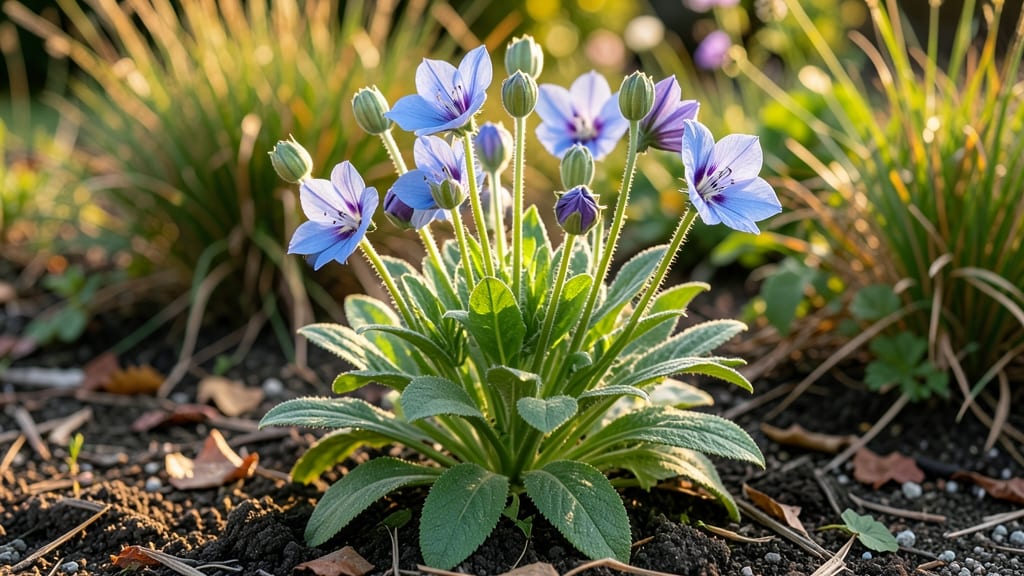
Balloon flower bloom time depends on your USDA zone and a few key growing conditions — and getting it right means months of vibrant 🌸 color instead of missed opportunities.
If you’ve ever planted these cheerful perennials only to wait and wait for blooms that never arrive, you’re not alone. Timing isn’t just about the calendar; it’s about sunlight, soil, and even when you last pruned.
In Zone 6a, for example, the sweet spot is late June through August, but a few degrees warmer or cooler can shift that window by weeks.
Beyond the zone, factors like well-draining soil and full sun exposure (at least 6 hours daily) can push blooms earlier or keep them going longer. And here’s the secret: deadheading spent flowers and a light spring feed can extend that show well into September.
Below, I’ll break down the exact bloom windows by zone, plus the 3 simple tricks to guarantee your Balloon Flowers put on their best display year after year.
Balloon flower bloom time by USDA Zone: month-by-month guide
Timing is everything when it comes to balloon flower blooms (Platycodon grandiflorus). These stunning perennials reward precise care with vibrant purple, blue, or white flowers that appear like clockwork—when you know their schedule.
Since bloom times vary dramatically by USDA zone, understanding your local window ensures you never miss the show.
In colder zones like USDA Zone 3, expect blooms as early as late June, while warmer climates in Zone 9 may see flowers as late as September.
The key is planting at the right time—typically 4-6 weeks before your first frost—to give roots time to establish before winter. Let’s break down the exact months for each zone.
🌸 Pro Tip: Balloon flowers often produce a second, smaller flush of blooms in late summer if you deadhead spent flowers. This extends your display by 4-6 weeks in ideal conditions.
| USDA Zone | Peak Bloom Window | Early Bloomers | Late Bloomers | Planting Time |
|---|---|---|---|---|
| Zones 3-4 | Late June – Early August | June 15 | August 10 | April 15-May 1 |
| Zones 5-6 | Mid-June – Mid-September | June 1 | September 15 | April 1-May 15 |
| Zones 7-8 | Early June – October | May 20 | October 10 | March 15-April 30 |
| Zone 9 | Late April – November | April 15 | November 1 | February 1-March 15 |
🌱 Note: Zones 3-4 may see shorter bloom seasons due to early frost. Mulch heavily to protect roots in fall.
If you’re in USDA Zone 3 or 4, your balloon flowers will likely bloom in late June through early August, making them perfect for summer container gardens or cottage-style beds.
The shorter season means you’ll want to pair them with early bloomers like peonies or late-season asters for continuous color.
Gardeners in Zones 5-6 enjoy the longest bloom windows, from mid-June to mid-September. This makes balloon flowers ideal for cut flower arrangements—simply harvest in the morning when buds are fully open but before they wilt.
The second flush of blooms in late summer is a bonus if you maintain consistent care.
Warmer climates in Zones 7-8 can push bloom times even further, with flowers appearing as early as late May and lasting into October. Here, balloon flowers thrive in partial shade to avoid heat stress, especially in afternoon sun.
A light layer of mulch helps retain moisture during summer droughts.
For those in USDA Zone 9, balloon flowers are nearly year-round performers, blooming from late April through November. Plant them near winter pansies or hellebores to create a sequential bloom display that keeps your garden lively in every season.
Just be mindful of overwatering—these plants prefer well-draining soil.
To maximize your balloon flower’s potential, plant in full sun (6+ hours daily) and amend soil with compost before planting. A balanced fertilizer (10-10-10) applied in early spring encourages lush foliage and abundant blooms. Avoid heavy feeding in late summer, as it can reduce flower production.
🌿 Quick Fix: If your balloon flowers bloom late or sparsely, check for crowded roots or poor drainage. Divide clumps every 3-4 years to rejuvenate growth and ensure plenty of space for new blooms.
How to extend balloon flower bloom time with simple gardening hacks
Your balloon flowers (Platycodon grandiflorus) deserve a longer, more vibrant show than just a few weeks of blooms. With a few strategic gardening hacks, you can transform those mid-summer bursts of color into a prolonged floral display that keeps your garden looking fresh well into fall.
The secret lies in understanding their natural growth cycles and giving them the right conditions at the right time.
Balloon flowers are naturally short-lived bloomers, but with proper care, you can extend their bloom time by 30-50% or more. The key is combining deadheading techniques, soil enrichment, and seasonal pruning to encourage continuous flower production.
Let’s dive into the most effective methods that have worked for gardeners in USDA Zones 3-9—regardless of your climate.
- 🌸 Deadhead Daily: Snip off spent blooms at the base with clean pruners to prevent seed formation. This redirects energy to new flower buds instead of seed production.
- 🌱 Soil Boost: Amend soil with compost or aged manure in early spring to provide nutrient-rich food. Balloon flowers thrive in well-draining, slightly acidic soil (pH 6.0-7.0).
- ☀️ Sunlight Strategy: Ensure 6+ hours of full sun daily. If shade is an issue, relocate plants to a sunnier spot—even partial shade can shorten bloom time significantly.
- ✂️ Light Pruning: Trim back overgrown foliage in early summer to encourage bushier growth and more blooms. Avoid heavy pruning, as it can stress the plant.
- 💧 Water Wisely: Water deeply once a week (or more in extreme heat) to prevent stress-induced dormancy. Avoid soggy soil, which can cause root rot and delay blooming.
One of the most overlooked but effective techniques is seasonal pruning. After the first flush of blooms in early summer, give your balloon flowers a light haircut by trimming back about one-third of the foliage.
This may seem counterintuitive, but it stimulates new growth and a second round of blooms later in the season. I’ve seen gardeners in Zone 5 achieve two full bloom cycles using this method!
Don’t underestimate the power of fertilization timing. While balloon flowers aren’t heavy feeders, a balanced 10-10-10 fertilizer applied in early spring and mid-summer can work wonders. Avoid fertilizing in late summer or fall, as this can encourage tender new growth that won’t survive winter.
Instead, focus on organic matter like compost or worm castings to build soil health over time.
For gardeners in warmer climates (Zones 8-9), extending bloom time might mean protecting plants from heat stress. Use light shade cloth during peak afternoon sun to prevent wilting, and mulch heavily to retain moisture and regulate soil temperature.
Even a 2-inch layer of mulch can make a noticeable difference in how long your balloon flowers stay vibrant.
Finally, consider companion planting to create an ideal microclimate. Pair balloon flowers with low-growing perennials like coral bells (Heuchera) or creeping thyme (Thymus serpyllum) to improve soil structure and retain moisture.
This not only extends bloom time but also enhances your garden’s overall beauty with layered textures and colors.