
Flowers
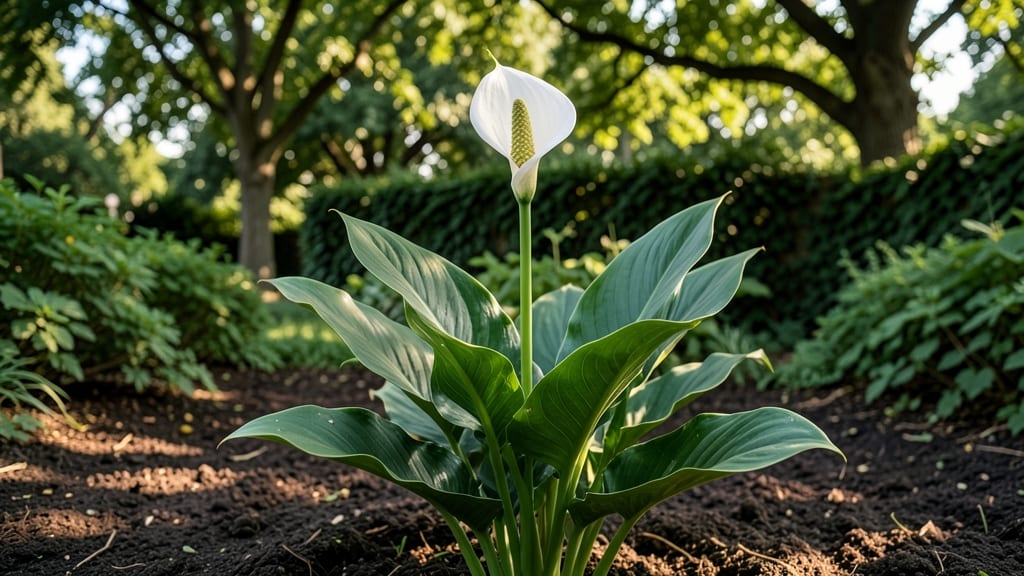
When do calla lily flowers bloom? They appear between late spring and early fall 🌸, with timing that shifts dramatically depending on your hardiness zone, variety, and a few key growing conditions.
If you’ve ever wondered why your calla lilies seem to bloom at different times each year—or why your neighbor’s plants are in full bloom while yours aren’t—understanding their seasonal triggers is the key to unlocking stunning, reliable flowers.
In USDA Zone 6a, where many gardeners grow them, blooms typically kick off in June and stretch into September, but cooler zones like Zone 5 may see flowers as late as August, while warmer climates like Zone 8 can enjoy them into October.
Below, I’ll break down the exact bloom windows by zone, the role of sunlight and soil, and the three simple adjustments that can shift your calla lilies’ flowering by weeks—whether you want earlier blooms or a longer display.
Calla lily bloom seasons by USDA hardiness Zones: what to expect
Calla lilies (Zantedeschia spp.) are stunning tropical plants that thrive in diverse climates, but their bloom timing varies dramatically depending on your USDA hardiness zone.
Whether you're in chilly Zone 3 or warm Zone 11, understanding these patterns helps you anticipate—and even influence—when your calla lilies will burst into flower. Daylight hours, temperature triggers, and dormancy cycles all play critical roles in their seasonal performance.
In cooler zones like Zones 3-6, calla lilies typically bloom in late spring to early summer, often aligning with the last frost date. Meanwhile, in Zones 7-11, they may bloom year-round or in spring and fall, depending on rainfall and humidity.
The key difference? Cooler climates require a dormancy period, while warmer zones may allow continuous growth and blooming.
| USDA Zone | Primary Bloom Season | Secondary Bloom Season | Key Climate Trigger |
|---|---|---|---|
| Zones 3-4 | Mid to late June | None (dormant winter) | Soil temps above 60°F after last frost |
| Zones 5-6 | Late May to June | Late summer (with care) | 14+ hours daylight + 70°F+ soil |
| Zones 7-8 | Spring (March-April) & Fall (Sept-Oct) | Year-round with protection | Consistent moisture + 65°F+ temps |
| Zones 9-10 | Winter (Jan-Feb) & Summer (July-Aug) | Continuous blooming | Humidity levels above 50% |
| Zone 11 | Year-round (peaks in rainy season) | N/A | Consistent rainfall + 75°F+ temps |
In Zones 3-4, calla lilies are perennial in ground but require heavy mulching to survive winter. They typically bloom in mid to late June after soil temperatures consistently stay above 60°F.
Gardeners in these zones often plant rhizomes in late spring to avoid early frost damage, ensuring blooms align with summer's peak gardening season.
For Zones 5-6, the bloom window shifts slightly earlier to late May through June. Here, calla lilies benefit from afternoon shade to prevent leaf scorch while still receiving morning sunlight.
A secondary bloom may occur in late summer if you provide balanced fertilizer and maintain consistent moisture—though this requires careful water management to avoid fungal issues.
Gardeners in Zones 7-8 enjoy the most flexibility, with blooms appearing in both spring and fall. This bimodal blooming pattern makes them ideal for extended-season gardens.
To encourage fall blooms, reduce fertilizer applications in late summer and focus on watering deeply to stimulate root growth before cooler temperatures arrive.
In Zones 9-10, calla lilies often bloom in winter and summer, with a noticeable peak during rainy seasons. The humidity in these zones acts as a natural trigger, while drought stress can delay blooming.
Container growers should use well-draining potting mix and self-watering pots to maintain consistent moisture without waterlogging.
Finally, in Zone 11, calla lilies may bloom year-round, though growth slows during dry periods. Here, mulching with organic matter helps retain moisture, while light pruning of spent blooms encourages continuous flowering.
The key is to mimic their natural tropical habitat by providing filtered sunlight and high humidity.
Regardless of your zone, planting depth and soil drainage are critical. Rhizomes should sit 2-4 inches below soil to prevent rot, while amending clay soil with compost ensures proper aeration. For container growers, choose pots with drainage holes and use a chamaedorea mix for optimal results.
Pro tip: In cooler zones, dig up rhizomes before the first frost and store them in dry peat moss at 50-60°F until spring. This preserves energy for vigorous early blooms the following season.
With the right conditions, your calla lilies can reward you with months of stunning blooms—no matter where you garden! 🌸
How temperature and daylight influence calla lily blooming cycles
Calla lilies are finicky about their blooming triggers, and understanding these can help you coax earlier or later flowers. Unlike many plants, they rely on a combination of temperature cues and daylight hours to time their blooms.
In my garden, I’ve learned that skipping dormancy or ignoring daylight changes can delay flowers by weeks—or even prevent them entirely.
The secret lies in photoperiodism (daylight sensitivity) and chilling requirements. Most calla lilies need 10-12 hours of daylight to initiate blooming, but they also require a period of cooler temperatures—typically 50-60°F (10-15°C)—to break dormancy. Without this, your plants might just grow leaves without ever flowering.
- 1. Chilling Phase: 6-8 weeks at 50-60°F (10-15°C) triggers flower bud formation.
- 2. Daylight Threshold: 10+ hours of daylight signals blooming; short days delay flowers.
- 3. Heat Shock: Sudden heat above 85°F (29°C) can stress buds and reduce blooms.
- 4. Dormancy Break: Stop watering in fall to force rhizome dormancy for next year’s blooms.
- 5. Varietal Differences: Calla palustris blooms earlier (May-June) than Zantedeschia aethiopica (July-Sept).
To manipulate blooming times, I’ve experimented with artificial light in winter (12+ hours) to push flowers earlier, or I’ll plant rhizomes later in the season to delay blooms.
For example, if you want Christmas blooms, start rhizomes in late summer under grow lights. Just remember: consistency is key—calla lilies hate sudden changes.
Another critical factor is soil temperature. Rhizomes need 60°F (15°C) soil to wake up from dormancy. If your ground stays cold, mulch heavily with straw or leaves to insulate the roots.
In warmer zones (like USDA 9-11), calla lilies may bloom year-round, but they’ll still produce heavier flowers after a cool season.
If your calla lilies refuse to bloom, check for over-fertilizing with nitrogen—it encourages leaves but blocks flowering. Instead, switch to a phosphorus-heavy fertilizer (like 5-10-10) when you see new growth. I’ve also found that pruning old leaves in early spring helps redirect energy to flower production.
For container growers, pot size matters. Small pots (under 6 inches) can’t store enough energy for blooms. Upgrade to 10-12 inch pots and use a well-draining mix with perlite or orchid bark to prevent root rot, which stalls flowering.
With the right conditions, you can enjoy calla lilies blooming from spring to fall—or even year-round in warm climates!