
Plants
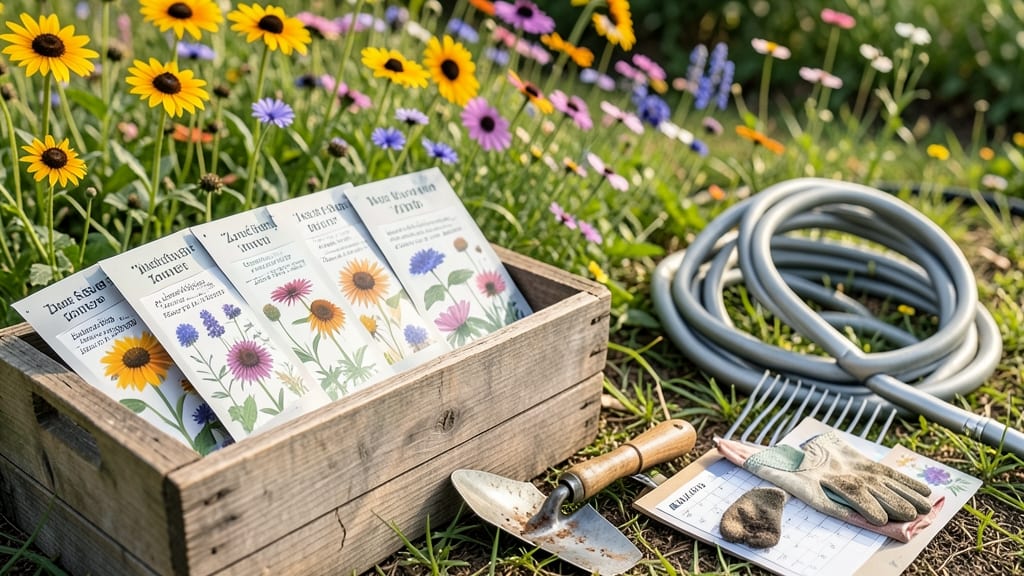
To plant wildflower seeds in Zone 5 🌼, aim for early spring or fall when soil temperatures are cool but frost-free — this timing unlocks the secret to vibrant blooms year after year.
Picture this: you’ve scattered your wildflower seeds, but instead of a burst of color by summer, you’re staring at bare soil. That’s what happens when you plant too early or too late — and in Zone 5, the margin for error is slim.
The key is understanding how frost dates and soil warmth work together to give your seeds the best shot at germination.
Spring planting in Zone 5 means getting seeds in the ground by March or April, while fall offers a second chance in August or September. Both windows sidestep the heat and drought of summer, giving your wildflowers a fighting chance to establish roots before winter sets in.
I’ve learned the hard way that planting in May or October often leads to disappointment — the seeds either bake in the sun or get smothered by frost.
In this guide, I’ll walk you through the exact months to plant, how to prep your soil for success, and the simple care routine that turns a handful of seeds into a pollinator paradise. Ready to skip the guesswork and create a garden that hums with life?
Best months to plant wildflower seeds in Zone 5 for maximum blooms
In Zone 5, where winters are cold and springs can be unpredictable, timing your wildflower seeds correctly is key to avoiding frost damage and ensuring vibrant blooms. The ideal planting windows are early spring and fall, each offering unique advantages for germination and establishment.
Spring planting in March or April gives seeds time to germinate before summer heat arrives, while fall planting in August or September allows seeds to establish roots before winter dormancy. Both strategies leverage Zone 5’s climate to maximize success.
For spring planting, aim for March or early April when soil temperatures reach 45°F—this is when most wildflower seeds begin germinating. In Zone 5, this typically aligns with the last frost date, which varies slightly by location but generally falls around mid-April.
If you miss spring, fall planting in August or September is your next best option. Planting in fall allows seeds to experience natural stratification (a cold period that breaks seed dormancy), which can improve germination rates the following spring.
Aim to plant at least 6-8 weeks before the first expected frost.
Zone 5’s variable springs can make timing tricky. If you’re unsure about frost dates, use a simple soil thermometer to confirm temperatures are consistently above 45°F before planting. This small tool can save you from planting too early and risking frost damage.
Some gardeners opt for late summer planting in July if their spring was particularly dry. This approach works best for drought-tolerant varieties like black-eyed Susans or coneflowers, which can handle the heat. However, this method requires consistent watering to prevent seeds from drying out.
Avoid planting in November or February—these months bring frost risks that can kill seeds before they germinate. Even if temperatures seem mild, a sudden cold snap can wipe out your efforts. Always check your local frost dates for precise timing.
After planting, maintain moist but not soggy soil for the first 4-6 weeks to encourage germination. In spring, this means watering 2-3 times per week unless rainfall is consistent. In fall, reduce watering slightly as temperatures drop.
For best results, combine planting with light soil disturbance—simply rake the surface to create a fine seedbed. Most wildflower seeds need light to germinate, so avoid burying them more than ¼ inch deep. This simple step can double your germination rates.
🌼
How to choose the right wildflower seed mix for Zone 5 planting success
Selecting the perfect wildflower seed mix for Zone 5 can feel overwhelming with so many options. The wrong choice might leave you with sparse blooms or invasive species that take over your garden. Start by understanding whether you want native or non-native varieties—both have pros and cons for your climate.
Native wildflowers, like black-eyed Susan or purple coneflower, thrive in Zone 5’s cold winters and variable springs. They also support local pollinators like bees and butterflies. Non-native mixes, however, may offer more color variety but often require extra care to survive harsh winters.
Here’s a quick breakdown to help you decide:
Native Wildflower Mixes
Non-Native Wildflower Mixes
- ✅ Thrives in Zone 5 winters
- ✅ Supports local pollinators
- ✅ Low-maintenance once established
- ❌ Limited color variety
- ❌ May take longer to establish
- ✅ Wider color variety
- ✅ Faster germination
- ✅ More annual options for quick blooms
- ❌ May struggle in cold winters
- ❌ Higher risk of invasive species
Next, examine the seed packet labels for critical details like cold-hardiness ratings and bloom times. Look for mixes labeled as "perennial"—these will return year after year, while "annual" mixes offer one-season color but may need replanting.
Avoid seed blends with aggressive spreaders like Johnson grass or creeping charlie.
Pay attention to the sunlight requirements listed on the packet. Many Zone 5 wildflowers need full sun (6+ hours daily), but some, like columbine, tolerate partial shade. Matching your garden’s light conditions ensures your wildflowers won’t struggle to thrive.
Finally, consider your bloom goals. If you want spring blooms, opt for mixes with early bloomers like wild phlox. For summer-long color, choose blends with coneflowers and black-eyed Susans. Always read reviews or ask at local nurseries—they know which mixes perform best in your area.
With the right mix, your Zone 5 garden will burst with color and life, attracting pollinators and adding beauty for years to come. Happy planting! 🌼