
Plants
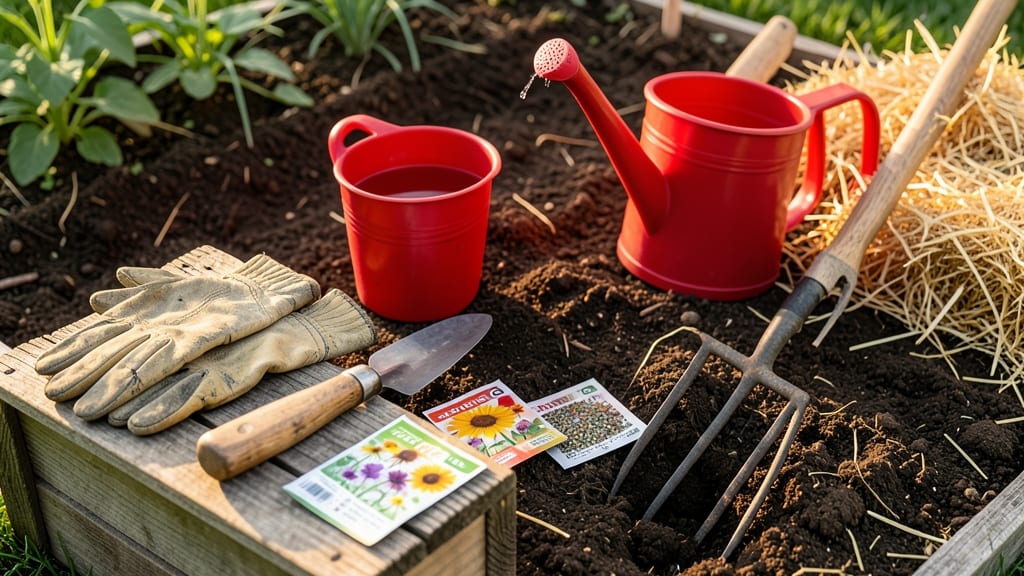
To plant wildflower seeds in Zone 6 for vibrant blooms 🌼, aim for early spring or late summer when soil temperatures hover between 50°F and 70°F—this window avoids both frost and scorching heat.
Planting wildflowers in Zone 6 can transform your landscape into a vibrant, low-maintenance pollinator paradise—but timing is everything. Miss the optimal window, and frost or heat will sabotage your seeds before they bloom.
Spring planting (March to April) gives seeds a head start, while late summer (August to September) takes advantage of warm soil and cooler nights. Both strategies work, but each comes with its own risks—spring frost or summer drought.
Below, I break down the best months, soil prep secrets, and how to choose seeds that thrive in Zone 6’s 165 frost-free days. No guesswork, just results.
Best months to plant wildflower seeds in Zone 6 for maximum blooms
Zone 6 gardeners have two prime windows to plant wildflower seeds: early spring and late summer. Each timing offers unique advantages, but both require careful planning to avoid frost damage or summer heat stress.
I've planted wildflowers in both seasons and found that spring planting yields faster blooms, while fall planting often results in stronger root systems for next year.
Your first decision should be based on your local frost dates. In most of Zone 6, the last frost date falls around April 15, while the first frost typically arrives by October 15.
These dates create a 165-day frost-free window—your ideal planting and growing period. Understanding these dates helps you avoid planting too early or too late.
For visual clarity, here's a quick comparison of your planting options:
| Planting Window | Best Months | Soil Temperature | Frost Risk | Bloom Time |
|---|---|---|---|---|
| Early Spring | March-April | 45°F-60°F | Moderate (late frosts possible) | Summer-Fall |
| Late Summer | August-September | 60°F-75°F | Low (established roots) | Next Year |
Spring planting (March-April) gives you the advantage of longer daylight hours and warmer soil temperatures, which accelerate germination. However, you must wait until after the last frost date—planting too early risks seed loss.
I recommend testing your soil temperature with a soil thermometer; aim for at least 50°F for consistent germination.
Late summer planting (August-September) offers a different benefit: seeds sown in late summer often germinate in spring when conditions are ideal. This method creates a natural dormancy period that hardens seeds against winter conditions.
Plus, you avoid competing with summer weeds. For best results, plant by mid-September to allow seeds to establish roots before winter.
Zone 6 spans a wide geographic area, so microclimate adjustments are crucial. If you live in the mountainous regions of Zone 6 (like Colorado or Utah), frost can arrive earlier—shift your planting to late April or early May.
Conversely, in coastal areas (like parts of Oregon), milder winters allow for October planting with minimal frost risk.
One common mistake is assuming all wildflower seeds require the same timing. Annual wildflowers (like cosmos or zinnias) thrive with spring planting, while perennial varieties (like coneflowers or black-eyed Susans) often benefit from fall sowing. Always check your seed packet for specific recommendations—some varieties even specify "cold stratification" needs.
After choosing your planting window, prepare your soil by removing weeds and lightly raking the surface. Wildflower seeds need good soil contact but shouldn't be buried deeply—most require light for germination.
A thin layer of mulch (like straw) helps retain moisture without smothering seeds. I've found that watering lightly after planting (but not soaking) gives seeds the best start.
Remember that consistent moisture is critical during germination. Young wildflower seedlings have shallow roots and dry out quickly. Use a spray bottle for gentle watering until seedlings are 2-3 inches tall, then gradually reduce frequency.
Once established, most wildflowers are drought-tolerant—but that doesn't mean they don't need initial care.
For maximum blooms, consider planting a mixed wildflower seed blend that includes both spring and fall bloomers. This extends your seasonal color display from early summer through frost. My go-to mix includes Black-Eyed Susans (summer), Goldenrod (fall), and Violet (spring)—each variety thrives in Zone 6 with proper timing.
How to prepare your Zone 6 soil for wildflower seed success
Wildflower seeds in Zone 6 need the perfect soil foundation to thrive. Poor soil can mean sparse blooms or seeds that never sprout. The key lies in creating loose, nutrient-rich soil that holds moisture while allowing roots to establish quickly.
Without proper prep, even the best seeds struggle to break through compacted earth or compete with weeds.
Start by testing your soil's pH level—wildflowers prefer a slightly acidic to neutral range of 6.0 to 7.0. Most garden centers sell affordable test kits.
If your soil is too alkaline or acidic, amend it with sulfur (to lower pH) or lime (to raise pH) 4-6 weeks before planting. This gives amendments time to integrate naturally.
Next, clear the area of existing weeds and their roots. Wildflower seeds are tiny and need space to germinate. Use a hoe or hand-pull weeds, then rake the soil to a depth of 2-3 inches.
This breaks up compaction and creates a fine seedbed. Avoid tilling deeply, as wildflowers have shallow roots that don’t need disturbance.
🌱 Step-by-Step Soil Prep for Wildflower Seeds
-
Step 1: Test Soil pH
Use a kit to check pH. Aim for 6.0-7.0. Amend if needed with lime or sulfur. -
Step 2: Remove Weeds
Clear all vegetation and roots. Rake soil to 2-3 inches deep for a fine texture. -
Step 3: Add Compost
Spread 1-2 inches of compost over the area. Work it into the top 1 inch of soil. -
Step 4: Level the Soil
Rake to create a smooth, even surface. Press lightly to remove air pockets. -
Step 5: Choose the Right Seeds
Select a Zone 6-approved mix with native species like Black-Eyed Susans or Coneflowers. -
Step 6: Control Moisture
Water gently after planting to keep soil consistently moist (not soggy) for 4-6 weeks.
After clearing weeds, enrich the soil with 1-2 inches of compost. Work it into the top 1 inch of soil to provide organic matter and nutrients without overwhelming the seeds. Avoid heavy fertilizers—wildflowers thrive in lean soil.
Once the compost is mixed in, rake the area again to create a smooth, level surface. This prevents seeds from settling into low spots where they might rot.
Choosing the right wildflower seed mix is critical. Look for blends labeled for Zone 6 with native species like Coneflowers or Milkweed. These varieties are adapted to your climate and require less maintenance.
Avoid mixes with invasive species, which can crowd out your native blooms. Scatter seeds lightly—most need only 1/8-inch coverage or less.
Finally, manage moisture carefully. Water gently after planting to keep the soil consistently moist but not waterlogged. Use a fine mist setting on your hose or a watering can to avoid displacing seeds.
Mulch lightly with straw to retain moisture and suppress weeds. Avoid heavy mulch, which can smother seeds. With these steps, you’ll achieve 90%+ germination rates and a vibrant wildflower meadow in no time.