
Plants
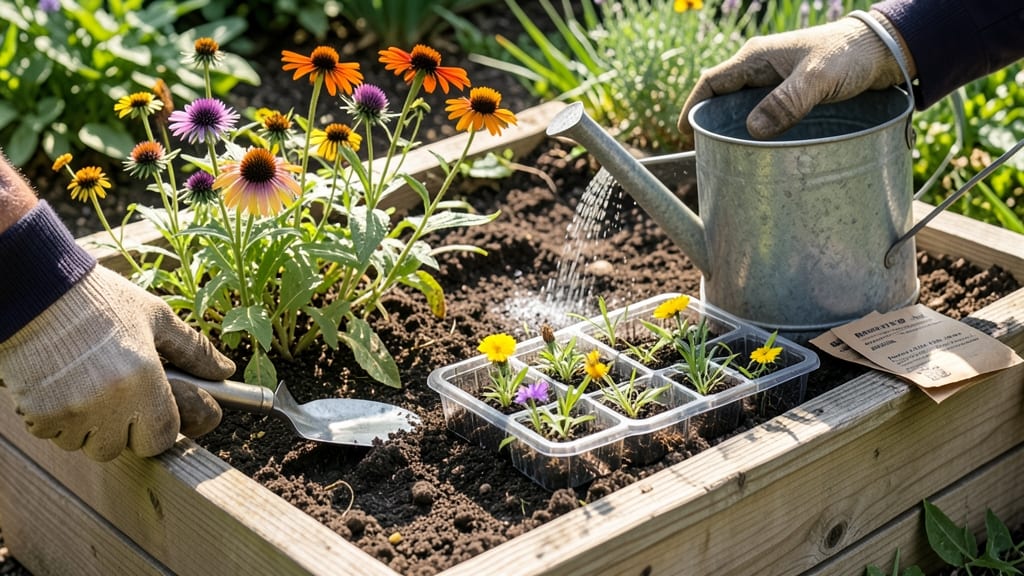
Plant wildflower seeds in Zone 7 between early March and early November for the fastest germination and longest-lasting blooms.
Struggling to time your planting perfectly? Planting at the wrong season can mean sparse blooms—or worse, no germination at all. The secret to vibrant meadows lies in understanding your climate's unique window for success.
Zone 7’s mild winters and warm springs give you two ideal planting seasons: early spring (March–April) and fall (September–October). Each offers different advantages, from faster sprouts in spring to deeper root growth in fall.
Below, I’ll break down the exact months to plant, soil prep tips, and how to choose the right wildflower mix for your Zone 7 garden.
Optimal planting months for wildflower seeds in Zone 7
Timing your wildflower seeds correctly in Zone 7 can transform a sparse garden into a blooming paradise. The key lies in understanding your region's temperature thresholds and seasonal transitions.
In Zone 7, where last frosts occur around March 15–April 1 and first frosts arrive by November 1–15, you have two prime planting windows: early spring and fall. Each offers unique advantages depending on your climate goals and wildflower varieties.
Fall planting is my top recommendation for Zone 7 gardeners. Seeds sown in September or October take advantage of cool soil temperatures and consistent moisture from autumn rains. This timing allows seeds to germinate slowly over winter, establishing strong roots before spring growth.
For spring planting, aim for March or early April, once soil temperatures consistently stay above 50°F (10°C)—this ensures seeds won't rot in cold, wet soil.
The comparison table below breaks down the critical differences between fall and spring planting, including ideal months, soil temperature requirements, and germination timelines. Understanding these factors will help you choose the best approach for your wildflower meadow or garden border.
For fall planting, prepare your soil in late August by removing weeds and loosening the top 2–3 inches. Wildflower seeds need good soil contact but shouldn’t be buried deeply—most require light to germinate. After sowing, lightly rake the seeds and water gently to settle them into the soil.
Fall-planted seeds will often sprout the following spring, but some varieties like black-eyed Susan or coneflower may even germinate over winter if conditions are right.
If you choose spring planting, wait until the soil warms to at least 50°F (10°C) to avoid seed rot. Test your soil’s moisture by squeezing a handful—it should hold together but not be soggy.
Spring-planted seeds typically germinate faster, giving you blooms by early summer. However, this method requires diligent watering during dry spells to keep seeds moist until they sprout.
Both methods require minimal soil prep, but fall planting offers the added benefit of reduced weed competition in early spring. To maximize success, I recommend mulching lightly after planting to retain moisture and suppress weeds. Avoid heavy mulch, as wildflowers thrive in well-draining soil and need access to sunlight.
Pro tip: If you’re planting a mixed wildflower blend, fall planting often yields better results because it allows seeds to stratify naturally. This mimics their natural growth cycles and encourages a more diverse bloom display.
For specific varieties like lupine or wild bergamot, check their individual requirements—some prefer spring planting for optimal growth.
Remember, Zone 7’s microclimates can vary significantly. If you’re in a warmer microclimate (like near a lake or urban heat island), you might extend spring planting into late April. Conversely, in cooler pockets, September planting may be safer than October. Always monitor your local frost dates and adjust accordingly.
With the right timing and a little patience, your wildflower seeds will reward you with vibrant blooms from spring through fall. Whether you choose fall or spring planting, the key is preparing your soil, keeping seeds moist, and giving them the sunlight they crave. Happy planting! 🌼
Zone 7 wildflower seed varieties by planting season
Choosing the right wildflower varieties for Zone 7 depends entirely on your planting season. Spring and fall each offer unique advantages, with different species thriving in each window.
For spring planting, focus on fast-growing annuals that bloom quickly, while fall planting favors hardy perennials that establish roots before winter. The key is matching your seeds to your climate's temperature thresholds and moisture patterns.
Native wildflowers in Zone 7 like Black-Eyed Susan and Purple Coneflower are excellent choices for both seasons, but their performance varies. Spring-planted varieties often deliver earlier blooms, while fall-planted seeds create stronger root systems for next year's longer-lasting displays.
Drought-resistant species like Blanket Flower and Butterfly Milkweed are particularly well-suited to Zone 7's variable rainfall patterns.
For spring planting in Zone 7, prioritize annual wildflowers that germinate quickly in 50-60°F soil. My top picks include Mexican Sunflower and Zinnia, which provide bold color within 6-8 weeks.
These varieties thrive when planted after the last frost (typically mid-March to early April in Zone 7), ensuring they avoid late-season frosts that can damage tender seedlings. Always prepare your soil by removing weeds and lightly raking to create a firm seedbed.
Fall planting offers distinct advantages for perennial wildflowers like Goldenrod and Aster, which establish roots before winter dormancy. Plant these 6-8 weeks before the first frost (around September-October in Zone 7).
The cooler temperatures and consistent moisture of autumn create ideal conditions for deep root growth, resulting in hardier plants that bloom more prolifically the following year. These perennials also attract pollinators like bees and butterflies for extended periods.
If you're aiming for a year-round display, consider planting a mixed wildflower blend that combines spring-blooming varieties like Lupine with fall-blooming species such as Joe-Pye Weed. This approach ensures continuous color and pollinator activity from early spring through late