Flowers
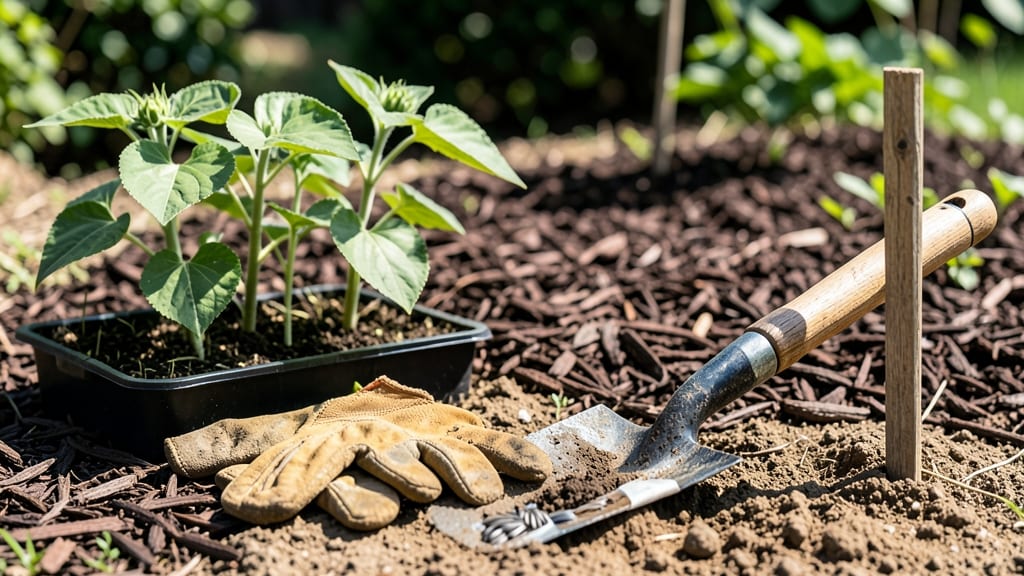
Planting sunflowers in Zone 8b means timing your seeds for soil that’s warm enough to germinate fast—usually after your last frost date when daytime highs hit 70°F.
If you’ve ever waited weeks for sunflower sprouts only to watch them rot in cold soil, you know the stakes. The key isn’t just the calendar—it’s soil temperature, variety choice, and avoiding late-season pests that thrive in lingering warmth.
In Zone 8b, you’ve got options: direct-sow after March 15 when soil reaches 50°F, or start seeds indoors 2–3 weeks earlier for a head start. Dwarf varieties like ‘Moulin Rouge’ germinate faster than giants, while heat-tolerant types like ‘Russian Giant’ handle late summer plantings.
Below, I’ll break down the exact soil warmth triggers, regional tweaks for coastal vs. inland microclimates, and how to test your soil without a fancy thermometer—so you can grow towering sunflowers with confidence.
Optimal planting dates for Zone 8b sunflowers based on soil temperature
Planting sunflowers in Zone 8b requires precision—soil temperature matters more than calendar dates. While your last frost date might be around March 15, cold soil below 50°F can stall germination or invite rot.
I’ve learned the hard way that rushing seeds into chilly earth leads to patchy sprouts or worse, seedling disease. The key is waiting for consistent soil warmth, typically between 55°F and 65°F, before planting.
Zone 8b spans diverse microclimates—coastal areas like San Francisco stay cooler longer, while inland spots near Sacramento warm up faster. This means your ideal planting window could vary by 2-3 weeks depending on location.
For most of Zone 8b, that translates to late March through mid-May for early varieties, with a second window in June-July for fall-blooming giants like Russian Giant.
🌱 Did You Know? Sunflower seeds need 50°F soil to germinate, but they’ll sprout faster at 60°F+. A soil thermometer is your best friend—skip guessing and check daily until you hit that sweet spot.
| Planting Window | Soil Temp Requirement | Zone 8b Regions | Key Considerations |
|---|---|---|---|
| Late March - Early April | 50°F+ (minimum) | Coastal (e.g., San Francisco) | High frost risk; use black plastic mulch to warm soil |
| Mid-April - Early May | 55°F+ (ideal) | Inland (e.g., Sacramento) | Best for dwarf varieties like 'Teddy Bear' |
| June - July | 60°F+ (fast germination) | All regions | Perfect for late-season giants like 'Russian Giant' |
| August (late) | 55°F+ (minimum) | Inland only | Risk of pests (e.g., sunflower moths); use row covers |
For early spring planting, aim for late March to early April in inland areas where soil warms quickly. Coastal gardeners should wait until mid-April—cold ocean breezes delay warming.
I once planted 'Moulin Rouge' in early March near the coast, and only 30% of seeds sprouted. The lesson? Patience beats enthusiasm when it comes to sunflowers.
Late-season planting in June-July is ideal for tall varieties like 'Russian Giant' that need a long growing season. These sunflowers can handle 90°F+ heat better than spring-planted ones.
Just beware of bird predation—I lost an entire row of 'Autumn Beauty' to squirrels when I planted too late. A chicken wire cage saved my next batch!
Microclimates play a huge role. A south-facing slope warms up 1-2 weeks earlier than a shaded backyard. I’ve seen 60°F soil on a sunny hillside in early April, while just 20 feet away in the shade, it was still 48°F.
Use this to your advantage—plant heat-loving varieties in warm spots first.
If you’re unsure about soil temps, try the candle test: Bury a tea light candle in moist soil overnight. If it stays lit, your soil is 50°F+ and ready.
I’ve used this trick for years—it’s foolproof and costs $1. For container gardening, soil warms faster, so you can plant 2 weeks earlier than in-ground.
Pro tip: Pre-warm your soil by covering beds with black plastic mulch 1-2 weeks before planting. This can add 5-10°F to your soil temperature overnight. I’ve seen germination times cut in half using this method. Just remove the plastic once seeds sprout to prevent overheating.
Remember, sunflowers are resilient—they’ll grow if planted slightly late, but you’ll sacrifice height and bloom time. For maximum height (like those 12-foot giants), stick to the soil temperature guidelines and plant 3-4 weeks before your first frost risk.
With Zone 8b’s 210 frost-free days, you’ve got plenty of time to experiment!
How to test soil warmth for sunflower germination success
Sunflower seeds need consistent warmth to germinate quickly, and Zone 8b’s unpredictable spring can throw off your timing.
A soil thermometer is your best tool, but even without one, you can use simple DIY tricks to check if your soil is ready. Giant varieties like 'Russian Giant' need warmer soil than dwarf types, so knowing the exact temperature makes all the difference.
Let’s break down how to test your soil and what those numbers mean for your sunflowers.
First, understand that sunflower seeds germinate best when soil temperatures stay above 50°F (10°C) for at least a week.
Below that, germination slows dramatically, and seeds may rot instead of sprouting. Dwarf varieties like 'Teddy Bear' can tolerate slightly cooler soils (down to 45°F/7°C), but they’ll still grow faster in warmer conditions.
For optimal growth, aim for soil temps between 60°F (15°C) and 70°F (21°C)—this is when seeds sprout in just 7–10 days.
- 1 Use a soil thermometer at 2-inch depth (where seeds will be planted). Check temps for 3 consecutive days—consistency matters more than single readings.
- 2 DIY candle test: Bury a wax candle (unlit) at seed depth for 24 hours. If the wax softens, soil is above 55°F (13°C). For cooler soils, try a cold-sensitive plant test like radishes—they’ll sprout at 40°F (4°C).
- 3 Warm cold soil naturally with black plastic mulch (raises temps by 5–10°F) or a compost pile nearby (adds radiant heat). For containers, use dark-colored pots or place them on heat-absorbing bricks.
-
4
Adjust planting dates based on soil temps:
- 45–50°F (7–10°C): Plant dwarf varieties only (slow germination).
- 55–60°F (13–15°C): Safe for all varieties, but expect 10–14 days to sprout.
- 65°F+ (18°C+): Ideal for giant sunflowers—sprouts in 5–7 days.
If your soil is too cold, don’t panic—you can still plant sunflowers successfully. Black plastic mulch is my go-to trick for warming soil quickly. Lay it down 2–3 weeks before planting to raise temperatures by 5–10°F.
For containers, switch to dark-colored pots or place them on heat-absorbing bricks to mimic the warming effect. Even a compost pile nearby can add radiant heat, so position your sunflower patch close to one if possible.
Once you’ve confirmed your soil is warm enough, plant seeds 1 inch deep and keep them consistently moist until they sprout. Giant sunflowers like 'Russian Giant' will reward you with 12–14 foot stalks when planted in warm soil, while dwarf varieties like 'Moulin Rouge' can handle cooler starts but still thrive with proper care.
The key is patience—waiting for the right soil temperature ensures your sunflowers sprout fast, grow tall, and resist disease.
Pro tip: Monitor soil temps in the late afternoon when they’re warmest. If you’re planting in Zone 8b’s coastal areas, expect cooler soils longer than inland spots. Use these tests to fine-tune your planting schedule and avoid the frustration of slow or failed germination.
With the right soil warmth, your sunflowers will bolt upward in no time—just like they’re racing for the sun! 🌻