
Flowers
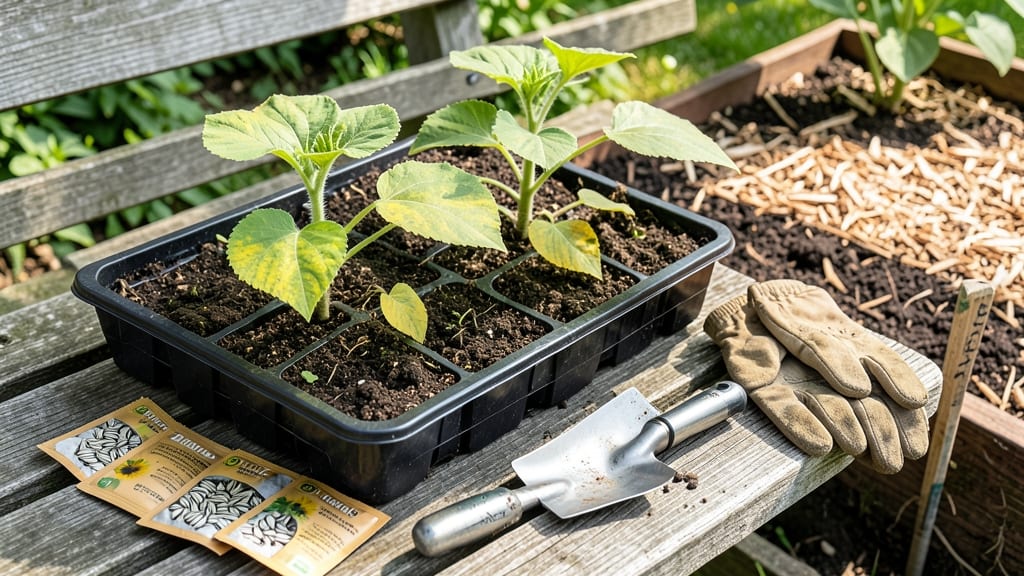
Plant sunflowers in Zone 7a between mid-April and mid-June to ensure those towering 🌻 beauties reach their full height and bloom on schedule.
Timing is everything, and getting it wrong can mean shorter stems or even missed harvests. Whether you're dreaming of 12-foot giants or cheerful 3-foot dwarfs, the right window makes all the difference.
In Zone 7a, where the last frost typically lingers around April 15, planting too early risks cold-soaked seeds or stunted growth. But wait too long, and you might miss the 70-day window needed for full-size blooms before summer’s heat sets in.
Here’s how to nail the perfect timing—from soil prep to spacing—and keep your sunflowers thriving until their late-summer harvest.
Optimal planting dates for sunflowers in Zone 7a by variety type
Sunflowers thrive in Zone 7a's warm climate, but their planting window depends on the variety type and your goal—whether you want early blooms or late-season harvests. Most sunflowers are annuals, but some perennial varieties exist, requiring slightly different timing.
The key is aligning soil temperatures (ideally 60°F+) with your last frost date (around April 15 in Zone 7a).
For standard annual varieties, like 'Mammoth' or 'Russian Giant,' aim for mid-April to early May for full-season growth. Dwarf varieties, such as 'Teddy Bear,' can tolerate cooler soils and may be planted as early as late March.
Meanwhile, perennial sunflowers (like Helianthus annuus cultivars) benefit from late spring planting to establish roots before winter.
Here’s a summary-table breaking down the best planting dates, soil temperature thresholds, and expected bloom timelines for Zone 7a:
| Variety Type | Best Planting Window | Soil Temp Threshold | Bloom Timeline | Notes |
|---|---|---|---|---|
| Standard Annuals (e.g., 'Mammoth') | Mid-April to Early May | 60°F+ | July–September | Tallest varieties; needs full sun. |
| Dwarf Annuals (e.g., 'Teddy Bear') | Late March–Early April | 55°F+ | June–August | Compact; tolerates cooler soils. |
| Perennial Sunflowers (e.g., 'Lemon Queen') | Late April–Early June | 65°F+ | August–October | Multi-year blooms; drought-tolerant. |
| Late-Season Varieties (e.g., 'Autumn Beauty') | Early–Mid June | 60°F+ | September–October | Extended blooms; ideal for fall gardens. |
If you’re aiming for early blooms, plant dwarf varieties in late March—they’ll flower faster and handle cooler soils better.
For tallest stems, stick to mid-April for standard annuals like 'Mammoth,' which need 90+ days to reach their full height. Perennial sunflowers, like 'Lemon Queen,' should go in late April to avoid winter stress.
Zone 7a’s frost-free window is roughly 180 days, so late plantings (like June) work for late-season varieties such as 'Autumn Beauty.' These thrive in warm fall weather and often produce longer-lasting blooms than spring-planted varieties. Just ensure they’re in the ground by June 15 to avoid stunted growth.
Pro tip: Use black plastic mulch to warm soil faster if planting early. This raises soil temperatures by 5–10°F, helping seeds germinate quicker in cooler Zone 7a springs. For container growing, start seeds indoors 4–6 weeks before your target outdoor date to extend your planting window.
Remember, overcrowding stunts sunflowers—space standard varieties 12–18 inches apart and dwarfs 6–12 inches apart. Thin seedlings to avoid competition for sunlight and nutrients, which directly impacts stem height and bloom size. With the right timing, your Zone 7a sunflowers could reach 10+ feet tall by late summer!
🌻
How to adjust planting dates for tallest sunflower blooms in Zone 7a
Sunflowers in Zone 7a can grow 10 feet taller when planted at the perfect time, but only if you follow microclimate-specific strategies. Urban gardens often face warmer microclimates than rural areas, meaning you might plant 2-3 weeks earlier in city spots.
The key is balancing soil warmth (60°F minimum) with frost risk, which varies dramatically even within Zone 7a.
For maximum height, aim to plant when your last frost date has passed but before summer heat stress sets in. Rural areas typically wait until mid-May, while urban gardens can start as early as late April.
This timing ensures strong stem development without premature flowering caused by heat.
- 1 Urban Zone 7a: Plant April 20-May 10 when soil reaches 60°F. City heat allows earlier starts.
- 2 Rural Zone 7a: Wait until May 15-June 1 to avoid late frosts. Cooler nights extend growing season.
- 3 Succession Plant: Sow every 2 weeks until June 15 for continuous blooms. Staggered planting prevents overcrowding.
- 4 Soil Prep: Amend with compost 2 weeks before planting. Aim for pH 6.0-7.0 for optimal nutrient uptake.
- 5 Avoid: Planting after June 15 in Zone 7a. Late starts risk stunted growth before first frost.
To maximize sunflower height, focus on succession planting—sowing seeds every 2 weeks until mid-June. This creates a continuous bloom cycle and prevents overcrowding, which stunts growth. For tallest varieties like 'Mammoth' or 'Russian Giant', give plants 18-24 inches of space to develop strong stems.
Soil preparation is equally critical. Test your soil 2 weeks before planting and amend with aged compost to improve drainage.
Sunflowers hate soggy roots, so raised beds work well in heavy clay soils common to Zone 7a. A mulch layer (2-3 inches) also helps retain moisture while keeping roots cool during summer's peak heat.
Watch for microclimate clues like nearby buildings or pavement, which can create 3-5°F warmer pockets. In these spots, plant 1-2 weeks earlier than rural guidelines. Conversely, windy areas may require delayed planting to protect young seedlings from desiccation.
Finally, avoid the common mistake of planting sunflowers too close to maturing corn or tomatoes, which compete for nutrients. Instead, pair them with bush beans or marigolds for better growth. With these adjustments, your Zone 7a sunflowers could double in height compared to standard planting!