Flowers
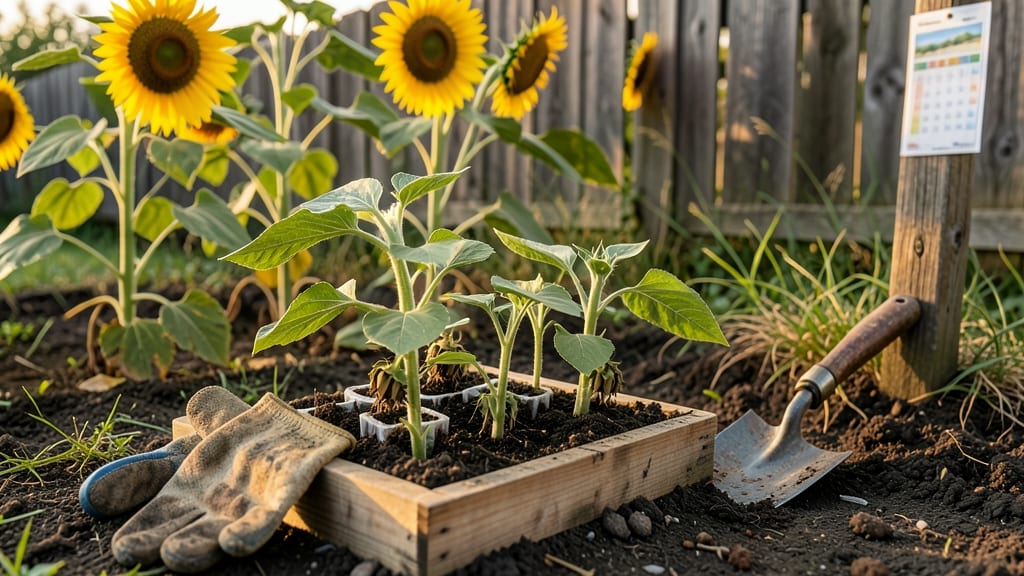
Planting sunflowers in North Carolina at the right time means the difference between a 10-foot giant and a stunted shrub—so timing matters more than you’d think.
Picture this: you’ve cleared a sunny patch, seeds in hand, ready to grow the tallest 🌻 in your neighborhood. But if you miss the window, frost or heat can sabotage your hard work before the blooms even appear.
North Carolina’s diverse zones—from the Piedmont’s mild springs to the mountains’ late frosts—mean no single date works for everyone. That’s why I’ve broken down the exact frost-date ranges, soil temperature tricks, and regional tweaks to get your sunflowers off to a flying start.
Here’s how to pinpoint your planting window, adjust for microclimates, and ensure your sunflowers reach their full 14-foot potential by late summer.
North Carolina sunflower planting calendar by frost dates
North Carolina’s diverse climate—spanning USDA zones 5-8—means your sunflower planting timeline should shift based on elevation and last frost dates. For 10-foot+ stalks, timing is critical: sow too early, and frost will damage tender seedlings; too late, and summer heat may stunt growth.
Here’s how to align your planting with NC’s microclimates for maximum height and bloom.
Most of NC experiences its last spring frost between March 15 and April 15, but mountain regions (like Asheville) can face frost as late as May 1. Coastal areas (e.g., Wilmington) often warm up by mid-March.
Use these dates as your baseline—soil temperature is just as critical. Sunflowers need soil at least 55°F to germinate, which typically aligns with late April to early May for most of the state.
Direct sowing is the easiest method for sunflowers. Plant seeds 1 inch deep and 6 inches apart in rows 2-3 feet apart. For giant varieties (like ‘Mammoth’ or ‘Russian Giant’), space seeds 18-24 inches apart to avoid overcrowding. If you’re transplanting seedlings (less common for sunflowers), do so 2-3 weeks after last frost when soil is warm and settled.
| Region | Last Frost Date | Ideal Planting Window | Soil Temp Threshold | Transplant Time |
|---|---|---|---|---|
| Coastal (Zones 8a-8b) | Mid-March to early April | Late March to early May | 55°F+ (early April) | Early April |
| Piedmont (Zones 7a-7b) | Early to mid-April | Mid-April to early June | 55°F+ (late April) | Late April |
| Mountains (Zones 5b-6b) | Late April to early May | Early May to mid-June | 60°F+ (early May) | Early May |
| Urban Heat Islands (Raleigh, Charlotte) | Early April | Late March to early June | 50°F+ (late March) | Late March |
For coastal NC, you can start sowing as early as late March if soil warms quickly. In mountain regions, wait until early May to avoid frost damage. Urban areas with heat islands (like Raleigh or Charlotte) can plant 2-3 weeks earlier than rural zones due to warmer microclimates.
Always check your local Almanac frost dates for precision.
If you’re aiming for tallest stalks, prioritize late May to early June planting. Varieties like ‘Russian Giant’ or ‘Autumn Beauty’ need a long, hot summer to reach their full 10-14 foot potential.
Plant these after Memorial Day for best results, especially in Piedmont and mountain zones where summers are shorter.
For direct sowing, scatter seeds in prepared soil and cover lightly with 1/4 inch of compost. Water gently to avoid displacing seeds. If transplanting, start seeds indoors 4-6 weeks before last frost in biodegradable pots to minimize root disturbance.
Harden off seedlings for 5-7 days before transplanting after frost danger passes.
Watch for premature bolting in early plantings. If seedlings stretch tall and flower early (before June 1), they may not reach maximum height. In this case, succession plant another batch in late May for a second flush of taller blooms.
Mulch around stems with straw or grass clippings to retain moisture and prevent bolting.
In drought-prone areas (common in western NC), water deeply once a week after germination to encourage strong root growth. Once established, sunflowers are drought-tolerant, but consistent moisture during flowering will yield larger, healthier blooms. Avoid overhead watering to
How to adjust planting for North Carolina’s microclimates
North Carolina’s diverse geography—from the Blue Ridge Mountains to the coastal plains—creates microclimates that can shift your sunflower planting window by 3-4 weeks.
In the mountains (zones 6-7), cooler nights and shorter summers mean you’ll need to plant earlier (late March to early April) to avoid premature bolting from heat stress.
Meanwhile, the coastal zone (8a) has later last-frost dates (mid-April) but faces higher humidity, which can encourage fungal issues if you delay planting past early May.
Urban areas add another layer: asphalt and concrete create "heat islands" where soil warms 2-3°F faster than rural spots. This can trick sunflowers into bolting too early, especially for late-season varieties.
If you’re in a city like Raleigh or Charlotte, test soil temps with a thermometer—wait until it hits 55°F+ for 24 hours before sowing. Well-draining soil is critical here, as urban soils often compact and hold moisture too long, risking root rot.
- Mountains (Zones 6-7): Plant 3-4 weeks earlier (late March) to beat shorter summers. Choose early-maturing varieties (50-60 days) like 'Teddy Bear' to avoid frost.
- Piedmont (Zone 7b): Stick to mid-April to early May planting. Amend clay-heavy soils with compost to improve drainage for taller varieties like 'Mammoth Russian'.
- Coastal Plains (Zone 8a): Delay until mid-April to early June for late varieties. Monitor for white mold in humid conditions—space plants 12+ inches apart for airflow.
- Urban Heat Islands: Plant shade-tolerant dwarf varieties (e.g., 'Sunspot') near buildings. Use mulch to regulate soil temps and reduce bolting.
- Soil Drainage: In low-lying areas, raise beds or add sand/perlite to prevent waterlogged roots. Test pH—sunflowers thrive in 6.0-7.0.
Watch for heat stress signs like yellowing leaves or drooping buds—these mean your sunflowers are struggling with intense summer heat, common in NC’s inner Piedmont. To extend the season for late varieties, try shade cloth (30% coverage) during peak afternoons in July.
For mountain gardens, succession plant every 2 weeks from April to June to stagger blooms and avoid bolting.
Premature bolting (flowering too early) is a red flag. If your sunflowers shoot up stems but stay stunted, they’re reacting to long daylight hours or high temps.
Switch to short-day varieties like 'Autumn Beauty' for fall planting, or move containers to partial shade if bolting occurs before June 1. In coastal areas, this often happens by mid-May—so time your late plantings for after June 15.
To maximize height in shorter-season zones (e.g., Asheville), focus on soil fertility. Mix in aged manure or bone meal at planting to fuel rapid growth. In humid coastal zones, prioritize fungus-resistant varieties like 'ProCut' and avoid overhead watering.
For container growing in cities, use large pots (12"+ diameter) with fast-draining mixes to prevent root rot from urban heat retention.
Pro tip: Use row covers in early spring to warm mountain soils faster and protect seedlings from late frosts. In coastal zones, opt for dwarf varieties near the beach where salt spray can damage foliage. With these adjustments, you’ll coax 10-foot stalks even in NC’s trickiest microclimates! 🌻