
Flowers
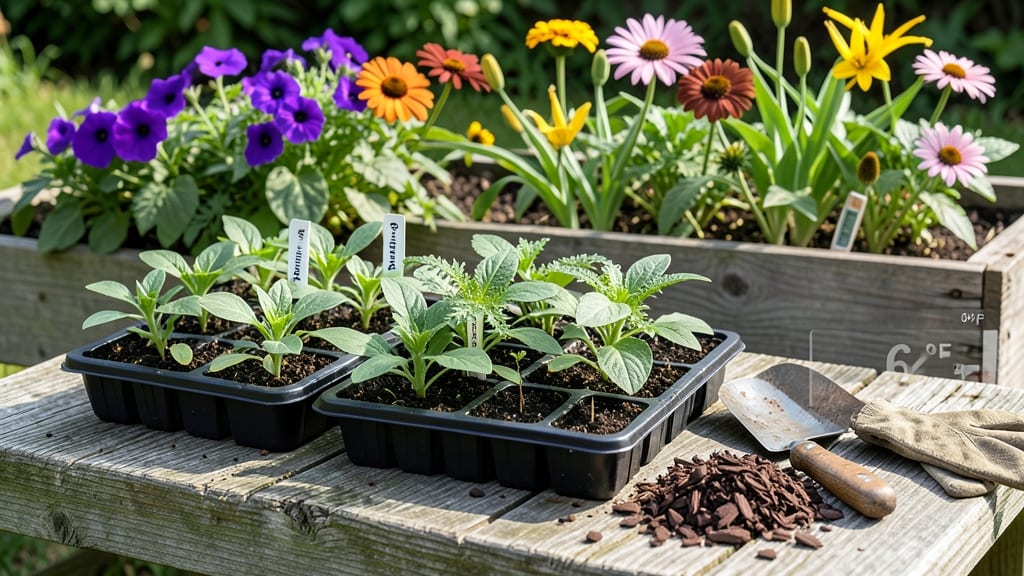
To plant flowers in Zone 6b, aim for early spring (March–April) or early fall (September–October) when soil temperatures cooperate and frost risks fade.
Timing your flower planting in Zone 6b can mean the difference between vibrant blooms and frost-killed dreams—so knowing exactly when to plant is non-negotiable.
Here’s the secret: Annuals like marigolds need to wait until after your last frost (usually mid-April), while perennials like coneflowers thrive when planted in early spring or fall.
Below, I break down the exact months for each flower type, plus pro tips to stretch your growing season without risking a late freeze.
Zone 6b last frost dates: exact months for annuals vs. perennials
Understanding Zone 6b last frost dates is your secret weapon for a thriving garden. In this zone, the average last spring frost typically falls between April 15 and May 15, while the first frost of fall usually arrives around October 15.
These dates create your planting windows—critical for deciding when to put annuals and perennials in the ground.
For tender annuals like marigolds, zinnias, and petunias, waiting until after May 15 ensures they survive overnight temperatures that can still dip below freezing. These plants are frost-sensitive, so rushing them can turn your garden into a sad, icy graveyard of wilted blooms.
Meanwhile, hardy perennials like coneflowers, black-eyed Susans, and daylilies can handle cooler temperatures. You can plant them as early as late March or early April, giving them time to establish roots before summer heat arrives.
Some even thrive when planted in early fall (September-October) for a head start next spring.
Regional variations matter too. Cities like Cincinnati and Indianapolis tend to have slightly earlier last frosts (around April 20), while Pittsburgh may see frost lingering until May 10. Always check local weather trends or use a frost-free date calculator for precision.
Why the difference? Annuals complete their life cycle in one season, while perennials return year after year. Annuals need warmth to germinate and grow, while perennials often prefer cooler soil for root establishment. This timing ensures both types thrive in your Zone 6b climate.
Pro tip: Use row covers or cold frames to push your planting window earlier for heat-loving annuals. These tools can protect seedlings from late frosts, giving you a jumpstart on the growing season without risking damage.
Key takeaway: Annuals wait until after the last frost (May 15+), while perennials can go in as early as March-April or even September-October. Knowing these dates transforms guesswork into a foolproof gardening strategy.
| Plant Type | Last Frost Window | Ideal Planting Time | Regional Adjustments |
|---|---|---|---|
| Tender Annuals | April 15–May 15 | After May 15 | Cincinnati: May 5; Pittsburgh: May 10 |
| Hardy Perennials | March 15–April 30 | Early spring or fall | Indianapolis: March 20; Pittsburgh: April 1 |
| Cool-Season Annuals | October 1–15 | September 1–15 | All regions: 4–6 weeks before first frost |
| Bulbs (Tulips, Daffodils) | October 15–November 1 | Fall (September–October) | Plant before soil freezes |
🌱 Zone 6b Planting Timeline
If you're planting seeds indoors, start tender annuals like tomatoes or peppers 6–8 weeks before your last frost (around March 1). This gives them enough time to mature before transplanting outdoors. For perennials, indoor starts aren’t usually necessary—just direct sow or transplant after the soil warms.
Remember, soil temperature matters just as much as air temperature. Use a soil thermometer to confirm it’s above 50°F (10°C) for most annuals before planting. Cool soil can stunt growth, even if the air is warm.
For a longer blooming season, consider succession planting. Sow fast-growing annuals like bush beans or radishes every 2–3 weeks after your last frost. This keeps your garden producing fresh blooms and edibles all summer long.
Finally, don’t forget that microclimates within your garden can shift frost dates by a week or more. South-facing beds warm up faster, while low-lying areas may stay colder longer. Observe your garden’s unique patterns over time to refine your planting schedule.
Best flowers to plant in Zone 6b by season (with planting windows)
Zone 6b’s 165 frost-free days create a perfect window for seasonal blooms, but timing is everything. Plant too early, and frost will nip tender seedlings. Too late, and you’ll miss peak summer color. The key?
Matching each flower’s cold tolerance or heat love to your region’s last frost (April 15–May 15) and first frost (October 15). Below, I’ve broken down the best flowers to plant by season, including when to start seeds indoors vs. direct-sowing outdoors.
For spring bloomers, focus on cold-hardy annuals like pansies and snapdragons—these thrive when planted 4–6 weeks before your last frost. In summer, heat-lovers like zinnias and marigolds take center stage, while fall plantings of mums and asters extend color until frost.
Pro tip: Use row covers to push early plantings for tender species like petunias by 2–3 weeks.
🌱 Zone 6b Planting Windows by Season
- 🌿 Spring (March–April)
- Direct sow: Snapdragons, sweet peas, calendula (March 15–April 15)
- Transplant seedlings: Pansies, violas, primrose (April 1–April 30)
- Bulbs: Tulips, daffodils (October or March)
- ☀️ Summer (May–June)
- Direct sow after last frost: Zinnias, marigolds, sunflowers (May 15–June 15)
- Transplant heat-lovers: Petunias, impatiens, coleus (May 20–June 10)
- Succession plant: Lettuce, radishes (every 2 weeks)
- 🍂 Fall (September–October)
- Direct sow for spring blooms: Sweet peas, calendula (September 1–15)
- Transplant frost-tolerant annuals: Pansies, snapdragons (September 15–October 15)
- Plant bulbs for spring: Daffodils, crocuses (October 1–15)
💡 Pro Tip: Use seed starting dates 6–8 weeks before transplanting to avoid delays.
In Zone 6b’s cooler microclimates (like Pittsburgh), aim to plant spring flowers by March 15 to beat frost. For warmer areas (e.g., Indianapolis), you can push summer annuals until June 10.
Always check your local Almanac’s frost dates—they can vary by 1–2 weeks! For example, zinnias direct-sown in late May will outperform seedlings planted in early June.
Don’t overlook fall planting—it’s your secret weapon for early spring color. Plant pansies and snapdragons in September to bloom until December frost. These cold-hardy annuals handle 20°F temps and even self-seed for next year.
Pair them with mums for a low-maintenance autumn garden that thrives until first frost.
For perennials, divide clumps in early spring (March–April) or early fall (September) to encourage vigorous growth. Daylilies and coneflowers planted in spring establish roots before summer heat, while black-eyed Susans thrive when transplanted in fall. Always water deeply after planting to reduce transplant shock.
If you’re short on time, prioritize direct-sowing for fast growers like marigolds (60 days to bloom) and transplanting seedlings for longer-season bloomers like petunias (90+ days). Use succession planting every 2–3 weeks to keep your garden blooming from May through October.