
Flowers
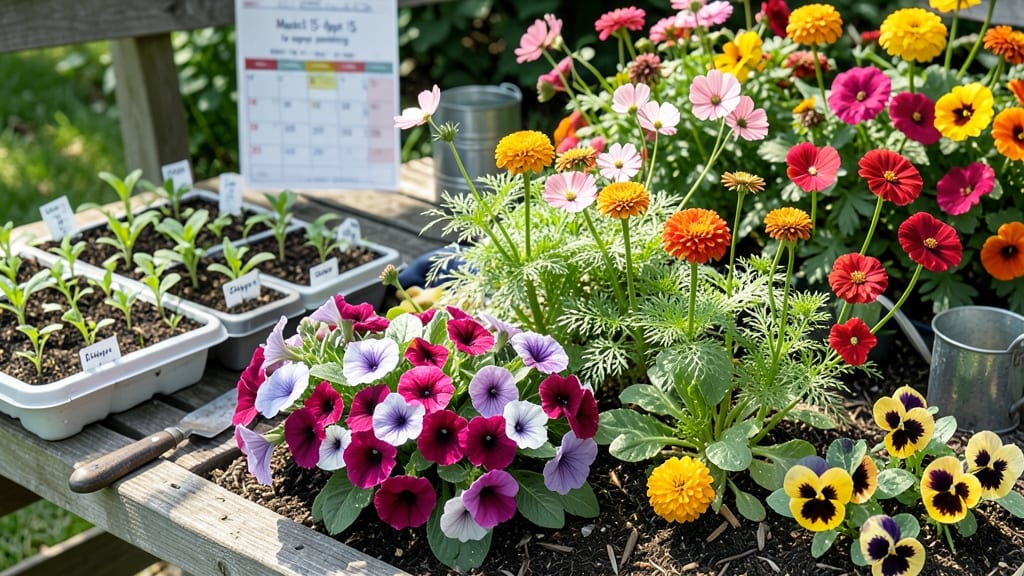
Planting flowers in Ohio at the right time means the difference between a show-stopping garden and a sad, frost-nipped disappointment.
Ohio’s unpredictable spring weather can turn your dream garden into a risky gamble—unless you know the exact last frost dates for your region. Timing is everything for vibrant blooms, and planting too early or late means wilted dreams instead of show-stopping flowers 🌸.
Most Ohio gardeners in zones 6a-6b should wait until mid-April to plant tender annuals, but hardy perennials and bulbs can go in as early as March. The key is matching your flowers to Ohio’s frost-free window, which varies by just a few weeks from north to south.
In this guide, I’ll break down the best planting windows for annuals, perennials, and bulbs—plus how to stretch your season with cold-hardy picks and frost protection tips that actually work.
Ohio’s last frost dates by region: when to plant flowers safely
Ohio’s last frost dates vary dramatically across its five climate zones, making precise timing critical for your flower garden’s success. Whether you’re planting annuals like marigolds or perennials like coneflowers, knowing your region’s average frost date helps you avoid frost damage and maximize bloom time.
Urban areas often experience earlier warming than rural zones, so microclimates matter too.
Ohio spans USDA Zones 5-7, with the Northern region (Zone 5) facing the latest frosts—sometimes as late as May 15—while the Southeast (Zone 7) can safely plant by April 1.
This variability means your tulip bulbs in Columbus may bloom weeks earlier than those in Cleveland. Let’s break down each region’s last frost averages and how they impact your planting schedule.
| Region | USDA Zone | Avg. Last Frost | Safe Planting Window | Key Adjustments |
|---|---|---|---|---|
| Northern Ohio | Zone 5a-5b | May 1–15 | Wait until May 20 for tender annuals | Urban areas may warm 1-2 weeks earlier |
| Northwest Ohio | Zone 5b-6a | April 25–May 5 | Start hardy perennials in April | Lake-effect delays frost in May |
| Central Ohio | Zone 6a-6b | April 15–25 | Annuals after April 30 | Columbus often 2 weeks ahead of rural areas |
| Southeast Ohio | Zone 6b-7a | April 1–10 | Plant pansies as early as March 15 | Appalachian slopes stay cooler |
| Southwest Ohio | Zone 6a-6b | April 5–15 | Bulbs in October-November | Cincinnati urban heat islands warm sooner |
🌱 Pro Tip: Use a frost clock or local weather alerts for real-time updates.
For annual flowers like petunias or zinnias, wait until the average last frost date has passed—plus an extra week for safety.
In Northern Ohio (Zone 5), this often means mid-May, while Southeast Ohio (Zone 7) gardeners can start as early as late March for cold-hardy varieties like pansies or sweet alyssum. Perennials, however, can often handle early spring planting as long as the soil isn’t frozen.
Adjust your planting timeline based on microclimates. Urban areas like Columbus or Cincinnati experience heat island effects, which can warm soil 1-2 weeks earlier than rural zones.
Conversely, valleys or shaded spots may stay colder longer. If you’re unsure, opt for cold-hardy annuals like calendulas or snapdragons, which tolerate light frosts.
Bulbs like tulips and daffodils should be planted in fall (October-November) to establish roots before winter. However, spring-blooming bulbs like hyacinths can also be planted in early spring if the ground isn’t frozen.
Always aim to plant bulbs 6-8 weeks before the first expected frost in your region to ensure strong root growth.
If you’re eager to start planting before the last frost, use frost protection like row covers or cold frames for tender annuals. These can shield plants from light frosts (28–32°F), extending your planting window by 2-3 weeks.
Just remove covers during the day to prevent overheating. For extreme caution, start seeds indoors 6-8 weeks before your region’s last frost date.
Remember, first frost dates in Ohio typically range from October 15 (Southwest) to November
How to extend your Ohio flower season: cold-hardy plants and frost protection tips
Ohio’s late spring frosts can be brutal on tender flowers, but with the right cold-hardy annuals and frost protection strategies, you can beat Mother Nature’s curveballs.
I’ve learned that even a 10-degree dip can devastate early bloomers, so I’ve curated a list of resilient flowers that thrive in Ohio’s unpredictable climate—plus proven techniques to shield delicate plants from frost.
Don’t let frost dates dictate your garden’s fate. By combining frost-resistant plants with smart protection methods, you can enjoy vibrant blooms for weeks longer than your neighbors. The key is starting with plants that can handle 25-30°F temperatures and layering in protection when needed.
Let’s dive into my top strategies for a longer Ohio flower season.
- 1 Start with cold-hardy annuals: Pansies (10-15°F tolerance), sweet alyssum (20°F tolerance), and snapdragons (25°F tolerance) can handle Ohio’s early springs. These early bloomers often survive light frosts and rebloom quickly after damage.
- 2 Use frost blankets: Lightweight frost cloths (rated for 28°F protection) draped over plants raise temperatures by 5-8°F. Secure edges with bricks or clips to prevent wind damage. Remove during the day to avoid overheating.
- 3 Warm soil with black plastic: Lay black landscape fabric over garden beds 2-3 weeks before planting. This absorbs sunlight and warms soil by 10-15°F, helping roots establish faster. Remove it before planting to avoid overheating young plants.
- 4 Plant in microclimates: South-facing beds, near stone walls, or in raised beds warm up faster and retain heat longer. These spots can be 1-2 weeks earlier for planting than open areas.
- 5 Choose perennials with early rebloom: Coneflowers, black-eyed Susans, and daylilies often survive light frosts and regrow quickly. Their deep roots also insulate against cold better than annuals.
For maximum protection, combine these methods. I once used frost blankets over pansies planted in a black plastic-warmed bed—they bloomed 3 weeks earlier than my unprotected neighbors’ flowers. The secret is layering: warm soil + cold-hardy plants + temporary covers creates a frost-proof garden.
Don’t forget to monitor weather forecasts and have row covers ready for sudden dips. Even 32°F nights can damage tender annuals like marigolds or zinnias, so I keep a lightweight row cover on hand for emergencies.
With these strategies, you’ll enjoy continuous blooms from May through October—no frost-related setbacks!
Pro tip: Deadhead frost-damaged blooms immediately to encourage new growth. I’ve seen snapdragons recover and produce second flushes within 2 weeks of light frost damage when given proper care. Your garden’s resilience depends on quick action after cold snaps. 🌱