
Flowers
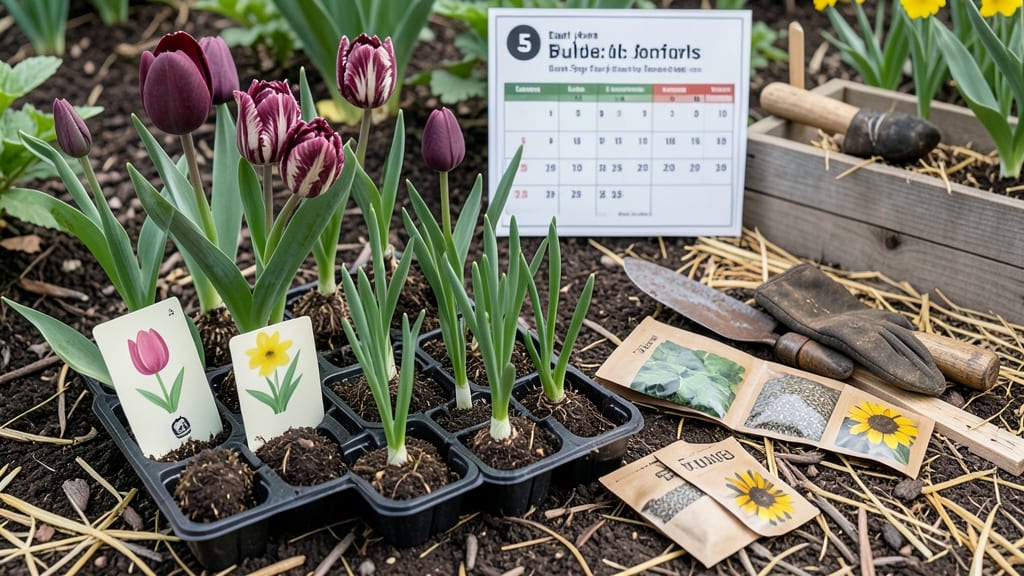
Planting flowers in Zone 5 at the right time means the difference between a showstopping garden and a sad, frost-nipped mess.
Zone 5 gardeners know timing is everything—plant too early and risk frost damage, too late and miss peak blooms. Here’s the exact schedule to maximize your flowers’ potential, broken down by variety type.
Spring is the prime window for most flowers, but bulbs like tulips need a cool winter chill, while tender annuals like marigolds wait until after the last frost date (usually mid-May). Fall is your second chance for perennials and hardy annuals.
Below, I’ll walk you through month-by-month planting, soil temperature checks, and how to adjust for your local microclimate—so you can enjoy blooms from early spring through late fall.
Zone 5 flower planting calendar: month-by-month guide by variety
Timing your flower plantings in Zone 5 means the difference between vibrant blooms and frost-nipped failures. With average last frost dates around May 15 and first frosts arriving October 1, you’ve got a tight window to work with.
The key? Understanding which varieties thrive when planted in spring versus fall, and which need extra protection from late-season cold snaps.
For cold-hardy perennials like cone flowers and daylilies, early spring planting (March-April) gives them time to establish roots before summer heat. Meanwhile, tender annuals like marigolds and petunias demand after-the-last-frost timing—usually late April to early May.
And don’t overlook fall planting for bulbs like tulips and daffodils, which need 6-8 weeks of cool weather to root before winter.
🌱
| Variety Type | Planting Window | Key Notes | Frost Sensitivity |
|---|---|---|---|
| Cold-Hardy Perennials | March–April (spring) or September (fall) | Coneflowers, daylilies, black-eyed Susans | Low (survive winter) |
| Tender Annuals | Late April–May (after last frost) | Marigolds, petunias, zinnias | High (die in frost) |
| Spring-Blooming Bulbs | September–October (fall) | Tulips, daffodils, hyacinths | Moderate (need winter chill) |
| Fall-Blooming Perennials | April–May (spring) | Asters, chrysanthemums, sedum | Low (thrive in cool weather) |
| Vegetative Propagation | June–July (summer) | Divide perennials like hostas, peonies | N/A (established plants) |
My spring planting starts in March for hardy perennials like bee balm and shasta daisies. These varieties can handle light frosts and even benefit from early planting to establish strong root systems.
By April, I’m adding tender annuals like geraniums and impatiens to my container gardens, where I can move them indoors if frost threatens.
For summer blooms, direct-sow cosmos and sunflowers in late May after the soil warms to 60°F (15°C). These heat-lovers thrive when planted after Memorial Day, giving them time to mature before fall.
I always mark my calendar for June 15 as the last chance to sow fast-growing annuals like bachelor’s buttons for late-summer color.
Fall planting in Zone 5 is all about bulbs and cool-season perennials. I aim to get tulip bulbs in the ground by October 15, giving them 6 weeks to root before winter.
For fall-blooming asters and sedum, I transplant container-grown plants in September, choosing varieties that tolerate light frosts like ‘Autumn Joy’ sedum.
Don’t forget succession planting for long-blooming annuals. I stagger zinnias and marigolds every 2 weeks from May through July to ensure continuous color. This strategy also helps prevent pest outbreaks by keeping plants at different growth stages.
For extended fall interest, I add pansies and snapdragons in August, which handle light frosts and even brighten up winter gardens.
Pro tip: Use row covers or cold frames to extend your Zone 5 growing season. I’ve successfully overwintered calendulas and stock plants under frost blankets, giving me early spring blooms and a head start on the season. Just remember to remove covers during
How to adjust planting times for Zone 5’s microclimates and frost risks
Zone 5’s variable frost dates and microclimates can turn planting into a guessing game. High-altitude gardens often freeze 2-3 weeks earlier than valley areas, while urban heat islands may delay frost by 10-14 days.
These differences mean your neighbor’s perfect schedule might fail in your yard. Understanding these factors lets you fine-tune planting times for maximum bloom success.
Start by identifying your local microclimate. Is your garden in a frost pocket? Near a large body of water that moderates temps? Or tucked between tall buildings that trap heat?
These conditions shift last frost dates by weeks. For example, Chicago’s city center might see frost 10 days later than nearby suburbs due to the urban heat island effect.
For high-altitude areas (above 2,000 ft), adjust planting 2-3 weeks later than standard Zone 5 guidelines. Cold air sinks, so valley gardens often warm up faster. Test soil temperature at planting depth (2-3 inches) with a soil thermometer.
Most annual flowers need 55-65°F (13-18°C), while cool-season perennials like coneflowers thrive in 50-55°F (10-13°C).
Use row covers or cold frames to extend seasons. A floating row cover can raise soil temps by 5-8°F (3-4°C), letting you plant tender annuals 2 weeks earlier in spring or 2 weeks later in fall.
For late bloomers like cosmos or zinnias, mark a backup planting date 2 weeks after your usual time—just in case frost arrives early.
Create a personalized frost risk checklist: ☑️ Note your last 3 years’ frost dates (not averages!) ☑️ Test soil temp for 3 consecutive mornings before planting ☑️ Choose 1-2 frost-hardy flowers (e.g., pansies or snapdragons) as early-season sentinels ☑️ Have row covers ready for May/September surprises ☑️ Set phone alerts for local frost warnings
Even with adjustments, some late-season flowers will struggle. Prioritize cold-tolerant varieties like asters, goldenrod, or Russian sage for fall color. For tender annuals, start seeds indoors 6-8 weeks before your final frost date—this gives you flexibility to transplant later if needed.
With these strategies, you’ll turn Zone 5’s unpredictable climate into an advantage. 🌱