Flowers
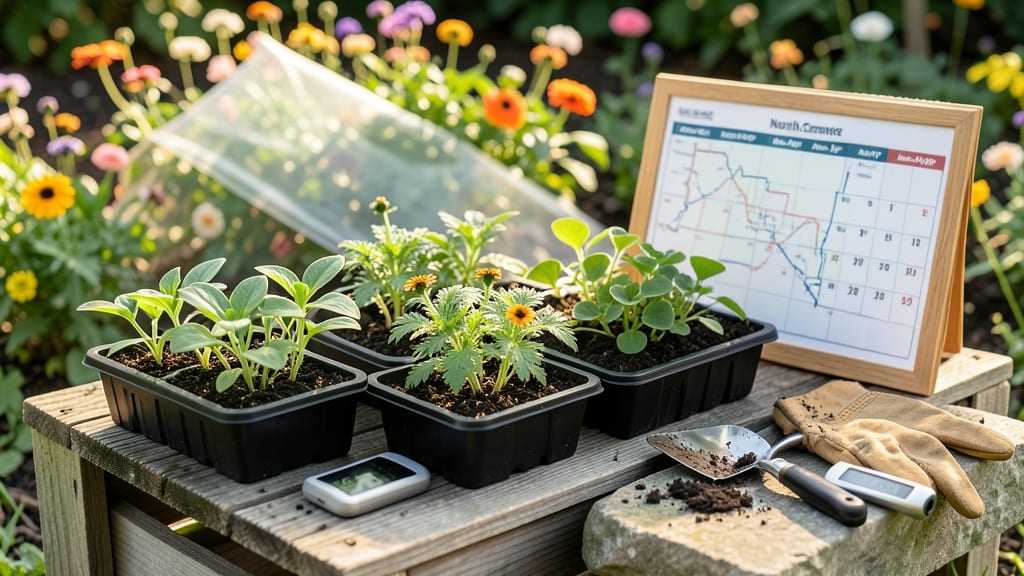
To plant flowers in North Carolina, timing is everything—cool-season blooms like pansies need to go in by March 15 in Zone 6a, while warm-season favorites like impatiens wait until after April 15 in Zone 8b.
North Carolina’s diverse climate zones mean your flower planting timeline can vary dramatically from the mountains to the coast—get it wrong, and your blooms may never appear. But with the right timing, you’ll enjoy vibrant gardens from spring to fall.
Whether you’re in the Coastal Plain, Piedmont, or Mountains, knowing your last frost date is the key. Annuals like marigolds thrive when planted after the last frost, while perennials such as daylilies prefer early spring or fall.
Below, I’ll break down the best planting windows for your zone, plus tips to adjust for early or late frosts—so you can enjoy nonstop color all season long.
North Carolina’s flower planting zones: last frost dates by region
North Carolina spans seven USDA hardiness zones (5A through 8B), creating dramatic differences in last frost dates and planting windows. The coastal plain (Zone 8A/8B) enjoys earlier springs than the mountains (Zone 5A/6A), where frosts linger until mid-April.
Understanding these variations ensures your annuals, perennials, and bulbs thrive without frost damage.
For cool-season flowers like pansies or snapdragons, start seeds 4-6 weeks before your region’s last frost. Warm-season beauties such as zinnias or marigolds need to wait until soil reaches 60°F+—typically late April to early May in most zones. Bulbs like tulips should be planted in fall (October-November) for spring blooms, while perennials like daylilies can handle early spring transplanting.
Use this comparison table to pinpoint your last frost date and ideal planting windows by zone. Adjust for microclimates—valleys frost earlier, while south-facing slopes warm up faster. Always check local weather trends for 2-3 years to refine your schedule.
| USDA Zone | Region | Avg. Last Frost | Cool-Season Planting Window | Warm-Season Planting Window |
|---|---|---|---|---|
| 5A (Mountains) | Asheville, Boone | March 15–April 1 | Feb 15–March 15 (seeds) | May 1–May 15 |
| 6A (Western NC) | Hickory, Lenoir | March 1–March 15 | Feb 1–March 1 (seeds) | April 20–May 1 |
| 6B (Piedmont) | Raleigh, Greensboro | February 28–March 10 | Jan 20–Feb 15 (seeds) | April 10–April 25 |
| 7A (Central NC) | Charlotte, Durham | February 15–February 25 | Jan 1–Jan 20 (seeds) | March 20–April 10 |
| 7B (Eastern Piedmont) | Fayetteville, Goldsboro | February 1–February 15 | Dec 15–Jan 10 (seeds) | March 10–March 25 |
| 8A (Coastal) | Wilmington, Jacksonville | January 15–January 31 | Nov 15–Dec 15 (seeds) | February 20–March 15 |
| 8B (Southern Coast) | Morehead City, Wilmington | January 1–January 15 | Nov 1–Nov 15 (seeds) | February 1–February 15 |
In Zone
Best flowers to Plant by season in North Carolina
North Carolina’s four distinct seasons create perfect conditions for year-round blooms, but timing is everything. Cool-season flowers love spring and fall, while warm-season varieties thrive in summer’s heat. I’ve tested these varieties across USDA zones 6a-8b to bring you the most reliable performers.
For early spring, start with cool-hardy annuals like pansies and snapdragons. These frost-tolerant flowers can handle light freezes and bloom 4-6 weeks before last frost. In late summer, switch to heat-loving annuals like zinnias and marigolds that thrive in 90°F+ temperatures.
Perennials offer the easiest low-maintenance blooms. Plant daylilies and coneflowers in early spring (March-April) for summer-long color. Bulbs like daffodils and tulips should go in fall (September-October) to naturalize and return yearly.
🌱 Seasonal Flower Planting Guide for NC
- 🌸 Early Spring (Feb-Mar) - Cool-Season Annuals: Pansies, Snapdragons, Sweet Alyssum ✅ Plant 4-6 weeks before last frost
- ☀️ Late Spring (Apr-May) - Perennials & Bulbs: Daylilies, Coneflowers, Tulips ✅ Transplant after frost danger passes
- 🔥 Summer (Jun-Aug) - Heat-Tolerant Annuals: Zinnias, Marigolds, Sunflowers ✅ Wait until soil reaches 60°F+
- 🍂 Fall (Sep-Oct) - Bulbs & Cool-Season Prep: Daffodils, Crocus, Pansies ✅ Plant bulbs 6-8 weeks before first frost
- 🌿 Year-Round - Evergreen Perennials: Lavender, Russian Sage, Salvia ✅ Plant anytime soil is workable
Pro Tip: Use mulch (2-3 inches) after planting to retain moisture and regulate soil temperature—critical in NC’s hot summers and cold winters.
My #1 recommendation for beginners is zinnias. They’re disease-resistant, fast-growing, and bloom nonstop from June until frost. For shade gardens, try impatiens or fuchsias—they thrive in partial shade where other flowers struggle.
Don’t forget succession planting! Replace spring pansies with summer marigolds for continuous color. In Zone 8b (coastal areas), you can even plant warm-season flowers in February—just monitor soil temperatures closely.
For mountain gardeners (Zone 6a), extend your season with row covers or cold frames. I’ve grown calendulas successfully until November 15 using these methods—proof that NC’s shorter seasons don’t limit your blooms.