Flowers
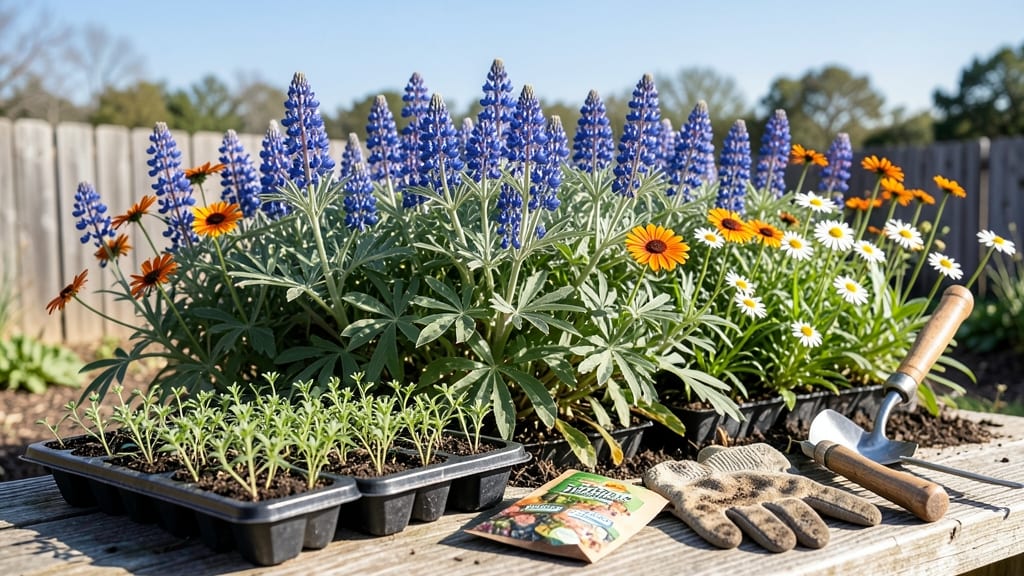
To plant flowers in North Texas at the perfect time, aim for late February through early April or August to September — timing that avoids frost and maximizes blooms.
North Texas gardeners know timing is everything—plant too early and frost ruins your blooms, too late and summer’s heat stunts growth. But with the right frost-free planting schedule, you can enjoy vibrant 🌸 flowers all season long.
In USDA zones 8a-8b, your last frost typically falls around mid-February, but soil temperatures must reach at least 60°F before planting. This means spring planting often starts in March, while fall planting thrives in August-September.
Below, I break down the best planting windows for annuals, perennials, and bulbs, plus tips for adjusting to North Texas’ unique microclimates and extending your blooms through the heat.
North Texas flower planting timeline by frost dates and variety type
North Texas gardeners face unique challenges with its hot summers and unpredictable frosts. The average last frost date varies slightly across regions—February 15 in Dallas/Fort Worth, February 20 in Waco, and February 25 in East Texas.
These dates mark your spring planting window, but fall planting often yields even better results due to cooler soil temperatures.
Understanding whether your flowers are cold-hardy (like pansies or snapdragons) or heat-sensitive (like marigolds or impatiens) determines your planting strategy. Perennials can often handle early spring planting, while annuals need warmer soil to thrive. Let’s break down the ideal planting schedule for each type to maximize your blooms.
| Variety Type | Planting Window | Notes |
|---|---|---|
| Cold-Hardy Annuals | Late February - Early April | Pansies, snapdragons, sweet alyssum |
| Heat-Sensitive Annuals | After last frost (March 15) | Marigolds, impatiens, petunias |
| Spring-Blooming Bulbs | October - December | Tulips, daffodils, hyacinths |
| Fall-Blooming Bulbs | August - September | Crocus, fall daffodils, anemones |
| Perennials | Early spring (March) or fall (September) | Black-eyed Susan, salvia, coneflower |
| Native Wildflowers | Late winter (Feb) or fall (Sept) | Bluebonnets, Indian paintbrush, coreopsis |
For cold-hardy annuals, like pansies and snapdragons, you can start planting as early as late February in most of North Texas.
These flowers tolerate light frosts and even bloom in cooler weather, making them perfect for early spring color. Heat-sensitive annuals, however, should wait until after the last frost date, typically around March 15.
If you’re planting spring-blooming bulbs, like tulips or daffodils, the key is to plant them in the fall (October-December). This gives the bulbs time to establish roots before the ground freezes.
For fall-blooming bulbs, such as crocus, plant them in August-September so they’ll bloom in late fall or early winter.
Perennials are the workhorses of your garden, and they offer flexibility. You can plant them in early spring (March) or fall (September). Fall planting is often preferred because the cooler soil helps roots establish before summer heat arrives. Native wildflowers, like bluebonnets, thrive when planted in late winter (February) or fall (September), aligning perfectly with North Texas’ natural growing cycles.
One of the biggest mistakes I see is planting heat-sensitive annuals too early. For example, marigolds or impatiens planted in February will often wilt or fail when the inevitable late frost hits. Always check your local frost date averages and adjust your schedule accordingly.
In East Texas, where frosts are slightly later, you might push planting dates by a week or two compared to Dallas/Fort Worth.
To extend your blooming season, consider successive planting. For example, sow cosmos seeds every 2-3 weeks from April through June. This ensures a steady supply of blooms from summer into early fall.
Similarly, fall-planted annuals, like mums or pansies, will give you color well into winter before the first frost.
Always test your soil temperature before planting. Most flowers need soil that’s at least 60°F to thrive. Use a soil thermometer to avoid guesswork.
If your soil is still cold in early spring, hold off on planting until temperatures rise. Mulching with straw or shredded leaves can also help regulate soil temperature and retain moisture.
Don’t forget to prepare your soil before planting. Amend it with compost or
Best flowers to plant in North Texas by season: spring vs. fall success
North Texas gardeners often debate whether spring or fall planting yields better results—and the answer depends on your flower varieties and seasonal goals. While spring planting offers vibrant early blooms, fall planting often gives stronger root systems and longer summer displays.
The key is matching heat tolerance with planting timing.
Spring planting (March-April) works best for cool-season annuals like pansies and snapdragons, which bloom quickly before summer heat arrives. However, these often fade by June. Fall planting (August-September), on the other hand, lets flowers like salvia and blackfoot daisy establish roots before winter, then burst into color next spring.
Fall-planted flowers also benefit from North Texas' cooler winter temperatures, which reduce stress during establishment. For example, salvia planted in September often blooms from spring through fall, while spring-planted salvia may struggle in summer heat.
The trade-off? Fall planting gives you one less spring chore but requires careful watering during establishment.
To extend blooms through summer, pair spring bulbs with heat-tolerant annuals like portulaca or lantana. These thrive in full sun and poor soil, making them perfect for filling gaps as tulips fade. Mulch heavily around all plants to retain moisture—critical during North Texas' dry spells.
Pro tip: Use drip irrigation for newly planted fall flowers to deliver water directly to roots. This method saves 30% more water than overhead sprinklers and prevents fungal diseases common in our humid summers.
For container gardens, choose compact varieties like dwarf salvia or penta to maximize space and reduce water needs.
Remember that North Texas' USDA Zone 8a/8b climate means we can push planting dates slightly later than northern states. Don't rush—wait until soil temperatures hit 60°F for spring plantings or 70°F for fall plantings to ensure strong root growth before extreme heat or cold arrives.