
Flowers
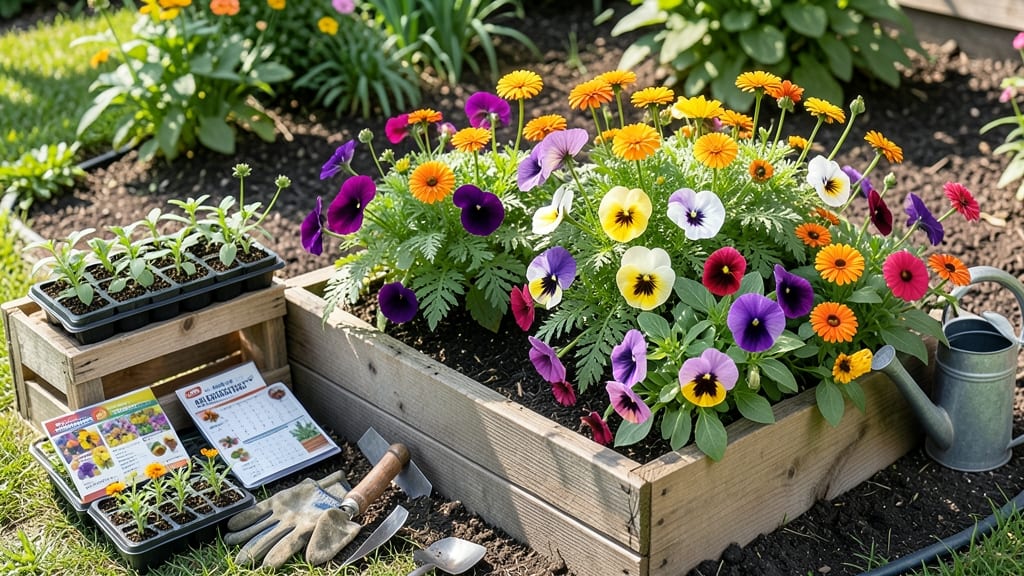
Planting flowers in New Hampshire at the right time means the difference between a garden that bursts with color and one that gets nipped by frost before it even starts.
If you’ve ever watched your carefully chosen spring bulbs peeking through the soil only to be frozen back by a late frost, you know the frustration. New Hampshire’s unpredictable climate demands precision—whether you’re planting hardy perennials or delicate annuals, timing is everything.
The key is understanding your USDA Zone 3b–5b region and its frost dates, which can shift from April to May in the north and as late as June in sheltered valleys.
Cool-season flowers like pansies can handle early spring plantings, while heat-lovers like marigolds need to wait until the soil warms.
In this guide, I’ll break down the exact frost-free windows for each flower type, plus pro tips to stretch your growing season and protect your blooms from NH’s notorious late frosts. Ready to turn your garden into a year-round showstopper?
New Hampshire frost dates by region: critical planting windows for annuals and perennials
New Hampshire's frost dates vary dramatically by region, making it essential to know your USDA hardiness zone (3b–5b) and local microclimates. The Northern zone (e.g., Coos County) averages last frost dates in early May, while the Southern zone (e.g., Rockingham County) sees frost-free conditions by mid-April.
These differences mean cool-season flowers like pansies can bloom earlier in the south, while warm-season marigolds need to wait until after late May in the north.
Understanding these windows helps you avoid late spring frosts that can devastate tender seedlings. For example, petunias planted too early in the Central zone (e.g., Hillsborough County) may wilt during a May frost, but if seeded after Memorial Day, they thrive all summer.
The same rule applies to fall planting—knowing your first frost date (late September in the north, early October in the south) determines whether to sow mums or astors for autumn color.
Here’s how to use this guide: First, identify your region below, then match your flower type (cool-season vs. warm-season) to the recommended planting windows. For perennials, like coneflowers, early spring planting (March–April) gives roots time to establish before summer heat.
For annuals, like zinnias, wait until after the last frost to avoid transplant shock.
🌱
| Region | USDA Zone | Last Spring Frost | First Fall Frost | Cool-Season Flowers (Plant) | Warm-Season Flowers (Plant) |
|---|---|---|---|---|---|
| Northern NH (Coos, Grafton) | 3b–4a | May 10–15 | Sept 20–Oct 5 | March 15–April 15 (pansies, snapdragons) | After May 20 (marigolds, zinnias) |
| Central NH (Hillsborough, Merrimack) | 4b–5a | April 25–May 5 | Sept 25–Oct 10 | March 1–April 30 (calendulas, sweet peas) | After May 10 (petunias, geraniums) |
| Southern NH (Rockingham, Strafford) | 5b | April 10–20 | Oct 5–15 | February 15–April 15 (stock, violas) | After May 1 (sunflowers, cosmos) |
Note: Microclimates (e.g., south-facing slopes, urban heat islands) can shift frost dates by 1–2 weeks. Always monitor local forecasts!
For cool-season flowers, like pansies or snapdragons, the goal is to get them established before April’s last frost. In the Northern zone, this means starting seeds indoors by March 1 or planting hardy transplants by April 15.
In the Southern zone, you can push this earlier—even February 15 for stock flowers—since the ground thaws sooner. These flowers thrive in 50–65°F soil and can even handle light frosts, making them ideal for NH’s unpredictable springs.
Warm-season flowers, such as marigolds or zinnias, require consistent soil temps above 60°F. In the Northern zone, this typically means waiting until after May 20 to plant.
In Central NH, you can start as early as May 10, but always check a 7-day forecast for frost warnings. For perennials like black-eyed Susans, divide and transplant in early spring (March–April) to give roots time to establish before summer droughts.
Fall planting is just as critical. In the Northern zone, sow mums or astors by July 15 to ensure they bloom before the first frost (Sept 20–Oct 5).
In the Southern zone, you can extend this window to August 15, giving you 6–8 weeks of autumn color. For bulbs like tulips, plant in October (after the first frost) to naturalize them for spring blooms.
Pro tip: Use row covers or cold frames to extend your planting window by 2–3 weeks in spring or fall. For example, I’ve successfully grown tomatoes in Northern NH by starting them under a hoop house in April instead of waiting for May.
The same strategy works for warm-season flowers like basil or geraniums—just remove the cover when temps rise above 55°F.
🌿
Don’t forget that microclimates can drastically alter frost dates. A south-facing wall might warm up 10°F faster than an open garden bed, allowing you to plant tender annuals like begonias a week earlier.
Conversely, low-lying areas or northern exposures hold cold air longer, so err on the side of caution. Always have a backup plan, like a greenhouse or
Best flowers to plant in NH by season: a month-by-month guide
New Hampshire’s short growing season demands strategic planting to maximize blooms. From hardy spring bulbs to heat-loving annuals, each flower type has its ideal window. I’ve broken down the best month-by-month plantings based on NH’s frost dates, ensuring your garden thrives from March through October.
For Northern NH (Zones 3b-4a), aim for early spring plantings like tulips and daffodils, while Southern NH (Zones 5a-5b) can extend warm-season flowers like marigolds and zinnias until late September. Let’s dive into the best flowers for each planting month.
- 1 March: Plant spring bulbs (tulips, daffodils) and hardy perennials (peony, iris). Soil should be workable but not frozen.
- 2 April: Add cool-season annuals (pansies, snapdragons) and early bloomers (bleeding heart, lungwort). Wait until after last frost (typically mid-April).
- 3 May: Plant warm-season annuals (marigolds, zinnias) and tender perennials (black-eyed Susan, coneflower) after soil warms (60°F+).
- 4 June: Direct-sow fall-blooming perennials (asters, goldenrod) and succession plant heat-lovers (sunflowers, cosmos) every 2 weeks.
- 5 July: Start fall mums indoors (8-10 weeks before frost) and transplant late-season bloomers (black-eyed Susan, bee balm).
- 6 August: Plant hardy annuals (pansies, sweet alyssum) for fall color and bulbs for spring (crocus, hyacinth) in well-drained soil.
- 7 September: Add cool-season veggie flowers (nasturtiums, calendula) and late-blooming perennials (sedum, Russian sage) before frost.
- 8 October: Plant spring-planted bulbs (tulips, hyacinths) in protected beds and winter-hardy annuals (pansies, violas) for early spring blooms.
For low-maintenance options, prioritize native NH flowers like black-eyed Susan and purple coneflower, which thrive in our climate with minimal care. These perennials return year after year, saving you time and effort.
Pro tip: Use row covers in early spring to protect tender plants from late frosts. This extends your planting window by 2-3 weeks for warm-season annuals like geraniums and petunias.
Remember, soil temperature matters as much as air temperature. Test it with a soil thermometer—aim for 60°F+ before planting warm-season flowers. In cooler years, wait until May for heat-lovers like marigolds and zinnias.
With