
Flowers
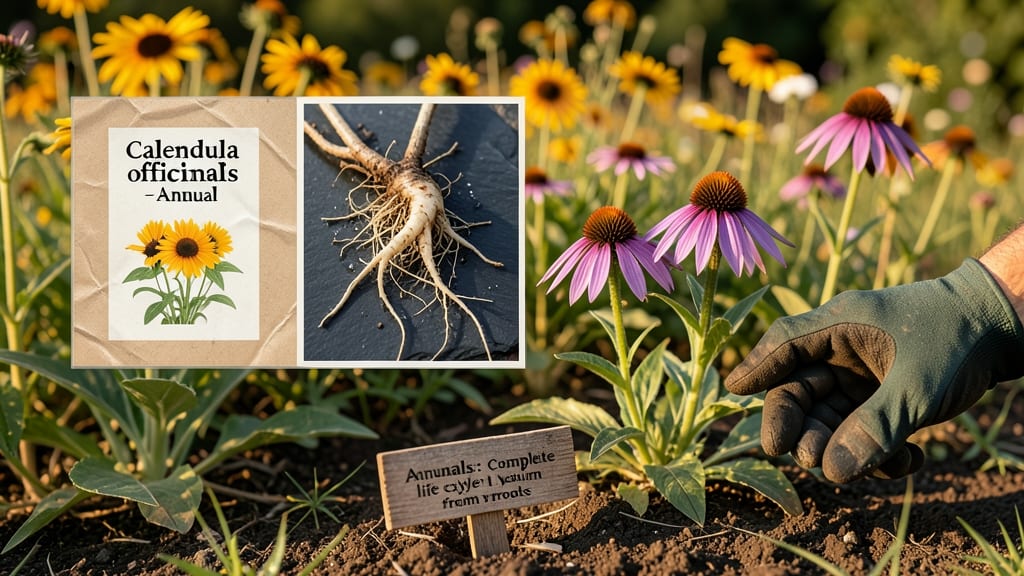
Wildflowers can be annuals or perennials — and knowing which you're planting makes all the difference in your garden's long-term beauty.
Ever planted a wildflower meadow only to watch it vanish after one glorious summer? That’s the mystery of their life cycles at work. Annuals like cosmos burst into bloom and fade, while perennials like black-eyed Susans return year after year.
The choice you make now will decide whether your garden stays vibrant or becomes a seasonal flash in the pan.
Annuals thrive on quick, dramatic color but require replanting, while perennials demand patience but reward you with decades of low-maintenance blooms. Mix them right, and you’ll never have a bare patch again.
Below, I’ll break down the secrets of each type, so you can design a garden that stays stunning from spring to fall.
Ready to transform your wildflower game? Discover how to pair annuals and perennials for continuous blooms, avoid common planting pitfalls, and keep your garden thriving with minimal effort.
Wildflower life cycles explained: annuals vs perennials vs biennials
If you've ever planted wildflowers only to see them vanish after one season, you're not alone. The secret lies in understanding their life cycles. Wildflowers fall into three main categories: annuals, perennials, and biennials, each with distinct growth patterns that shape your garden's seasonal beauty.
Knowing the difference helps you plan for continuous color and minimal replanting.
Annual wildflowers complete their entire life cycle—from seed to flower to seed—in just one growing season. They're the fast-growing stars of summer gardens, offering vibrant blooms but disappearing by winter. Perennials, on the other hand, return year after year, storing energy underground to bloom again in spring.
Biennials take two years to complete their cycle, often producing foliage the first year and flowers the second.
Here's how these life cycles impact your garden's seasonal performance and what it means for your planting strategy:
Annual wildflowers like cosmos and marigolds are perfect for instant color but require annual replanting. Their rapid growth makes them ideal for filling gaps or creating summer-long displays.
I've used cosmos in my garden to create a pollinator-friendly haven that blooms from early summer until frost. The trade-off? You'll need to replant seeds each spring.
Perennial wildflowers such as black-eyed Susans and cone flowers are the workhorses of the garden. Once established, they return year after year with minimal care. My goldenrod perennials have been blooming reliably for five years with only occasional deadheading.
These plants build strong root systems that store nutrients, allowing them to push through spring's chill and summer's heat.
Biennials like foxglove and hollyhocks often get overlooked, but they can add dramatic height and texture to your garden. The first year focuses on leaf growth, while the second year produces stunning floral displays.
I planted foxglove last spring and was rewarded with towering spikes of purple blooms this summer. The downside? Their two-year cycle means careful planning to maintain continuous blooms.
Understanding these life cycles helps you create a balanced wildflower garden. Plant annuals for instant color, perennials for long-term structure, and biennials for occasional dramatic accents. My own meadow combines all three: cosmos for summer blooms, black-eyed Susans for perennial reliability, and foxglove for its biennial surprise.
For seasonal planning, consider planting annuals in early spring for summer blooms, perennials in fall for spring emergence, and biennials in early summer to establish roots before winter. This staggered approach ensures your garden remains vibrant from spring through fall.
I've found that mixing these types creates a natural succession of blooms that keeps my garden looking full and lively.
One common mistake is assuming all wildflowers follow the same pattern. Black-eyed Susans are perennials that thrive in poor soil, while sunflowers are annuals that need rich soil. Knowing these differences prevents disappointment.
My first garden failed because I planted sunflowers in rocky soil—they needed better nutrients to thrive. Researching each plant's specific needs makes all the difference.
To maximize your wildflower garden's potential, consider creating themed sections. Dedicate one area to annuals for summer color, another to perennials for year-round structure, and include biennials for their unique two-year cycle.
This approach gives you control over your garden's seasonal performance while reducing maintenance. My pollinator garden combines all three types to support bees and butterflies throughout the growing season.
Remember that soil preparation varies by type. Annuals benefit from fresh, nutrient-rich soil each year, while perennials appreciate well-draining soil with organic matter added at planting. Biennials need consistent moisture during their first year to establish strong roots.
I've learned that mulching helps retain moisture and regulate soil temperature, benefiting all three types differently.
By understanding these life cycles, you can create a wildflower garden that blooms beautifully with minimal effort. Whether you prefer the quick rewards of annuals, the reliability of perennials, or the surprise of biennials, each type plays a crucial role in a thriving garden ecosystem.
My own meadow now blooms from May through October with careful planning and a mix of all three types. 🌼
How to choose wildflowers for year-round color: annual vs perennial strategies
Creating a garden that blooms from spring to frost requires understanding the life cycles of wildflowers. Annuals and perennials each play a unique role—annuals deliver bold, seasonal bursts of color, while perennials provide long-term structure and reliability.
The key to year-round beauty lies in strategic plant combinations that bridge their natural bloom cycles.
For example, pairing spring-blooming perennials like columbine (Aquilegia) with summer annuals such as cosmos (Cosmos bipinnatus) ensures no gap in your garden's floral display. Likewise, fall-blooming perennials like black-eyed Susan (Rudbeckia) can extend your season well into autumn. Let’s explore how to mix these life cycles for continuous color.
- 1. Spring Focus: Plant annuals like sweet peas (Lathyrus odoratus) for early color, then transition to perennial phlox (Phlox paniculata) as temperatures rise.
- 2. Summer Bridge: Use annual zinnias (Zinnia elegans) to fill gaps between perennial coneflowers (Echinacea) and black-eyed Susans.
- 3. Fall Extension: Add annual marigolds (Tagetes) alongside perennial asters (Symphyotrichum) to keep blooms going until frost.
- 4. Sunlight Matching: Group sun-loving annuals (e.g., sunflowers) with perennials like blanket flower (Gaillardia) in full sun areas.
- 5. Soil Prep: Amend clay soil with compost to support perennial roots while ensuring annual seeds germinate quickly.
When planning your wildflower garden, consider the bloom duration of each type. Annuals like cosmos and marigolds typically bloom for 8-12 weeks but can be replanted yearly, while perennials like coneflowers and black-eyed Susans may bloom for 4-6 weeks but return year after year.
To create a seamless transition, stagger planting dates—sow early annuals in spring and late annuals in summer.
Don’t overlook biennials like foxglove (Digitalis) or hollyhock (Alcea rosea), which bloom in their second year. These can serve as transition plants between annual and perennial cycles, offering color in years two and three while you establish perennials.
For example, plant foxglove in early spring—it’ll provide mid-summer blooms the following year, just as your perennials begin to peak.
Finally, tailor your choices to your local climate and microclimates. In cooler regions, spring-blooming bulbs like crocus can pair beautifully with early annuals, while in hotter zones, drought-tolerant perennials like lavender will thrive alongside annual sunflowers.
Always check USDA hardiness zones and sunlight requirements to ensure your selections will flourish together.
With this strategic mix of annuals and perennials, your garden will enjoy continuous blooms from early spring through late fall—no bare patches in sight! The secret is balancing seasonal variety with long-term reliability, ensuring your wildflower haven stays vibrant year after year. 🌻