
Flowers
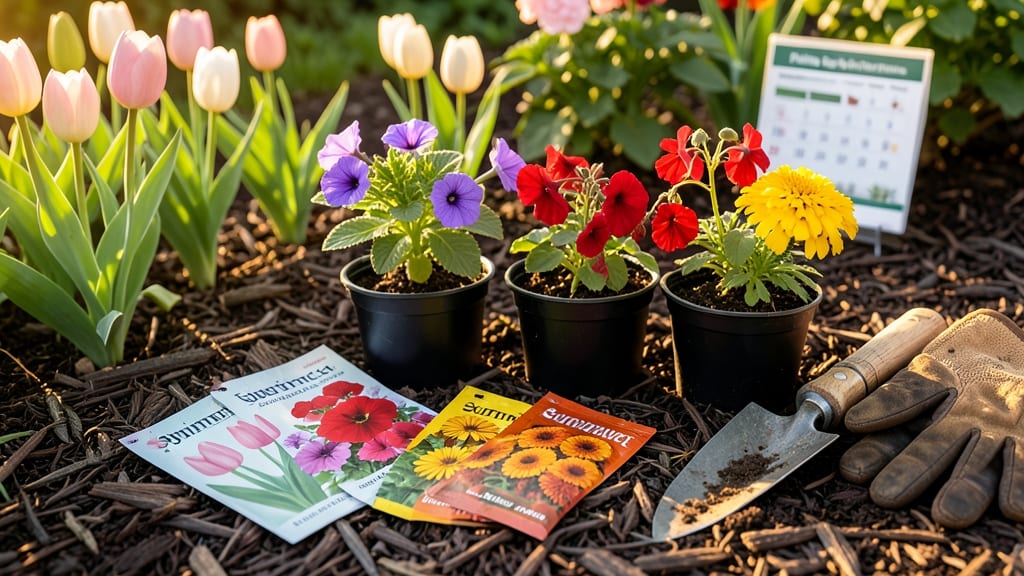
To plant flowers in Michigan, aim for mid-May in Zone 5 and late April in Zone 6—after the last frost date, when soil warms to 50°F.
Michigan’s unpredictable spring frost can turn a beautiful flower garden into a sad, wilted mess—unless you time your planting perfectly. Knowing the exact deadlines for frost-free zones 5-6 ensures your annuals and perennials thrive from the first bloom, whether you’re sowing seeds or transplanting starts.
Wait too long, and summer heat arrives before blooms even appear. Plant too early, and a late frost wipes out weeks of work. The key is matching your flower varieties to Michigan’s short but intense growing season—cool-loving pansies in spring, heat-tolerant marigolds in summer, and hardy mums for fall color.
Below, I’ll break down the perfect planting windows for Michigan’s two USDA zones, plus soil prep tips and cold-hardy varieties that beat frost damage. By the end, you’ll know exactly when to start seeds indoors, when to harden off seedlings, and how to stretch your blooms from May through October.
Michigan flower planting deadlines by USDA Zone 5-6 (with frost risk dates)
Michigan’s USDA Zones 5-6 create a tricky balance for gardeners—too early, and frost zaps your blooms; too late, and you miss peak growth.
The average last frost dates range from mid-May in Zone 6 (southern Michigan) to late May in Zone 5 (northern Michigan), but these can shift by weeks. Planning ahead means the difference between a showstopping garden and a sad, half-bloomed disappointment.
For cool-season flowers like pansies and snapdragons, you can start as early as late March to April—even before the last frost—since they thrive in cooler temps. Warm-season favorites like petunias and marigolds, however, must wait until after May 15th in Zone 6 or June 1st in Zone 5 to avoid frost damage.
Understanding these deadlines helps you stagger plantings for continuous color.
Here’s a quick reference for Michigan’s frost risk windows and ideal planting times, broken down by flower type:
Michigan’s northern regions (Zone 5) face harsher frost risks, so I recommend waiting until after June 1st for warm-season annuals.
In Zone 6 (southern Michigan), you can push petunias and geraniums into the ground by mid-May, but always check local Michigan State University Extension updates for real-time frost alerts. Pro tip: Use frost-sensitive varieties like cosmos or sunflowers as late-season additions—they tolerate cooler temps better than delicate petunias.
For perennials, timing matters less than soil conditions. Plant when the ground is workable but not soggy—typically April to early May.
I’ve found that coneflowers and bee balm thrive when planted in well-draining soil and given full sun, even if the last frost hits a few weeks later. Mulch heavily after planting to insulate roots from temperature swings.
Bulbs are a Michigan gardener’s secret weapon for early color. Plant spring-blooming bulbs (tulips, daffodils) in September or October—this gives roots time to establish before winter. For fall-planted bulbs like crocuses, aim for 6 weeks before the first frost.
In Zone 5, that’s usually mid-September, while Zone 6 gardeners can extend planting until late October.
Don’t forget about historical frost data. Michigan’s average first frost in fall ranges from October 1st in Zone 6 to September 20th in Zone 5, but early frosts can strike as soon as September 15th.
Plan accordingly by choosing frost-tolerant annuals like calendulas or stock for late-season color, or use row covers to extend the season for heat-loving plants.
If you’re unsure about your exact last frost date, I recommend using the
How to extend your Michigan flower season: cold-hardy varieties and frost protection tips
Michigan’s short growing season doesn’t mean your flower garden has to be short-lived. By selecting cold-hardy varieties and using smart frost protection, you can enjoy blooms from early spring through late fall.
The key is understanding which flowers thrive in USDA zones 5-6 and how to shield them from unexpected frosts.
I’ve planted flowers in Michigan for over a decade, and I’ve learned that staggered planting and simple frost protection methods can extend your bloom time by 4-6 weeks.
Whether you’re dealing with late spring frosts or early fall chills, these strategies will keep your garden vibrant longer than you’d expect.
- 🌱 Plant hardy annuals like pansies and snapdragons in late April—they tolerate light frosts down to 20°F.
- 🌿 Use row covers or cloches to protect tender perennials like black-eyed Susans until May 15 in most of Michigan.
- ✂️ Mulch heavily around late-season bloomers like chrysanthemums to delay frost damage by 2-3 weeks.
- 💧 Water container gardens at soil level (not overhead) to prevent ice formation on frost-sensitive flowers like geraniums.
- ☀️ Choose everblooming varieties like coral bells and shasta daisies—they rebloom after deadheading, giving you continuous color.
For early spring planting, focus on cool-season flowers that thrive in Michigan’s 40-50°F soil temperatures. My go-to varieties include sweet alyssum (tolerates 15°F), stock flowers (survives 25°F), and violas (handles 20°F).
These can be sown as soon as the ground is workable, often by mid-April in zone 6 and late April in zone 5.
When late frosts threaten, I rely on DIY frost protection like lightweight row covers or plastic milk jug cloches. For larger plants, a bedsheet draped over hoops works wonders—just secure it tightly to prevent wind damage.
I’ve even used old window screens to protect seedlings from dew frost without overheating the soil.
To create a continuous bloom schedule, I plant early bloomers (like lupines) in March-April, mid-season flowers (like beardstongue) in May, and late-season stars (like goldenrod) in June.
This 3-phase approach ensures my garden has color from May through October, even with Michigan’s unpredictable weather.
Don’t forget that mulching with straw or shredded leaves can add 5-10°F of insulation to your soil. I apply a 3-inch layer around perennials in early fall to protect roots during winter, which also extends spring blooms by warming the soil faster.