
Flowers
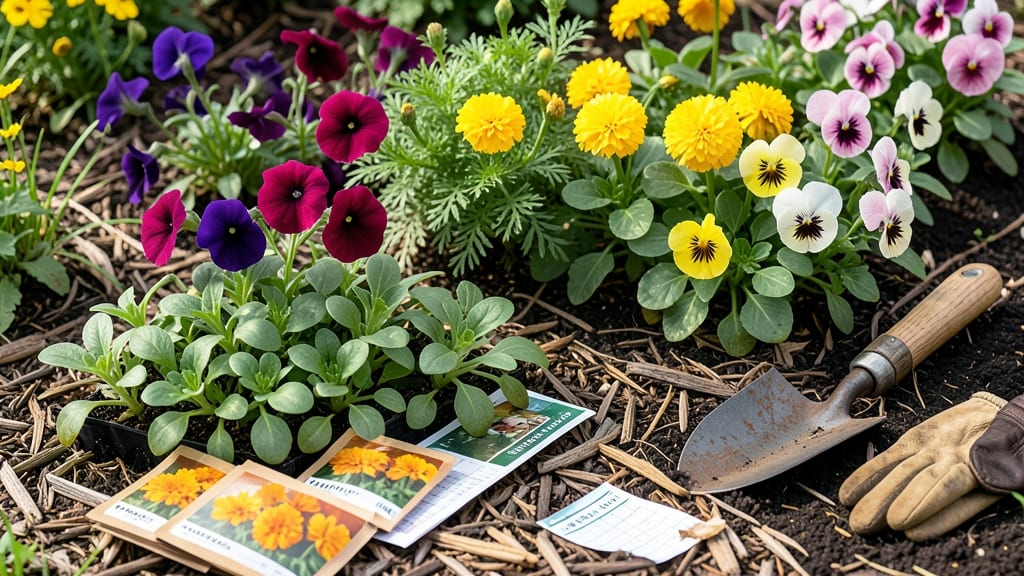
You can plant flowers in Michigan once the last frost date passes in your zone — typically mid-April in the Lower Peninsula and early May in the Upper Peninsula 🌸.
Michigan’s unpredictable spring weather can turn a gardener’s dream of vibrant blooms into a gamble—unless you know the exact last frost dates for your zone. Planting too early risks frost damage, while waiting too long means missing peak bloom seasons.
In this guide, I’ll break down the best planting windows for annuals, perennials, and bulbs across Michigan’s USDA zones 5b-6b, including tips for adjusting dates based on microclimates and soil temperature.
Discover how to extend your growing season, choose the right flowers for early or late planting, and avoid common mistakes that waste time and money.
Michigan last frost dates by USDA hardiness zone (2024 guide)
Michigan’s last frost dates vary dramatically across its USDA zones 4a–6b, creating a challenge for gardeners aiming to plant flowers without frost damage.
The Upper Peninsula (zones 4a–5a) often sees frost as late as May 15–June 1, while southeastern Michigan (zones 5b–6b) typically warms up by April 20–May 5. These differences mean your annuals, perennials, and tender flowers need tailored timing to thrive.
Urban areas like Detroit or Grand Rapids often experience earlier last frosts than rural regions due to the urban heat island effect. Meanwhile, northern Michigan’s colder microclimates can delay safe planting by 2–3 weeks.
Knowing your exact zone and local patterns helps you avoid frost-killed seedlings while maximizing bloom seasons.
For cool-season flowers like pansies or snapdragons, you can plant as early as March in warmer zones (5b–6b), but hold off until late April in colder areas (4a–5a). Warm-season flowers, including marigolds and zinnias, should wait until after your zone’s last frost, typically mid-May to early June in most of Michigan.
Here’s a zone-by-zone breakdown of Michigan’s average last frost dates, including historical data and urban vs. rural exceptions to help you plan:
To use these dates, wait until after your zone’s last frost to plant tender annuals like petunias or geraniums. For hardy perennials (e.g., coneflowers, black-eyed Susans), you can start 4–6 weeks before your last frost date. Bulbs like tulips or daffodils should be planted in fall (September–October) for spring blooms.
For extended-season gardening, consider using row covers or cold frames in colder zones (4a–5a) to protect early plantings. In warmer zones (5b–6b), you can even start cool-season crops like lettuce as early as March under protection.
Always check soil temperature—warm-season flowers need soil at at least 50°F to thrive.
Historical data shows that Michigan’s last frosts can vary by
How to adjust planting dates for Michigan’s microclimates and frost risks
Michigan’s diverse geography means your neighbor’s last frost date might be weeks earlier or later than yours. The Upper Peninsula often sees frost until June 1, while Southeast Michigan typically warms up by May 15.
These differences force gardeners to adjust planting strategies based on local conditions rather than relying on generic zone averages.
Microclimates—like urban heat islands, south-facing slopes, or low-lying areas—can shift frost risks by 1-2 weeks. For example, a Detroit garden might safely plant marigolds by May 1, while a Traverse City gardener should wait until May 15 to avoid frost damage.
Understanding these nuances is key to avoiding blackened petals or stunted growth.
⚠️ callout-warning
Even after the last frost date, soil may still be too cold for warm-season flowers like petunias or geraniums. Use a soil thermometer—wait until soil reaches 50°F (10°C) at 4-inch depth for annuals and 60°F (15°C) for tender perennials. Cold soil slows root growth, making plants vulnerable to rot or fungal diseases.
💡 Pro Tip: In Zone 4a-5a (Upper Peninsula), use row covers or cold frames to extend the season by 2-3 weeks for heat-sensitive flowers.
To pinpoint your local frost dates, use the Michigan State University Extension’s Frost Calculator or track data from the National Weather Service for your county.
For example, Grand Rapids averages a last frost of May 5, but urban areas like Ann Arbor can warm up 5-7 days earlier due to concrete heat absorption. Always add a 1-2 week buffer for safety.
For heat-sensitive flowers like petunias or marigolds, extend the season by starting seeds indoors 6-8 weeks before your last frost date. Use grow lights to simulate long daylight hours, then harden off seedlings outdoors gradually.
In Zone 5b-6a, this means sowing petunia seeds indoors by March 1 for blooms by June 1.
In colder microclimates, like the Upper Peninsula, opt for late-blooming perennials such as coneflowers or black-eyed Susans, which tolerate cooler soils. Pair them with early annuals like pansies or snapdragons, which thrive in 45°F (7°C) soil.
Mulch with straw or leaves to insulate roots and retain moisture during late spring frosts.
Finally, monitor 7-day forecasts for late frosts in May. If a 32°F (0°C) dip is predicted, cover tender plants with frost cloth or old bedsheets. Even Zone 6b areas (like Southeast Michigan) can experience black frost events in early May.
With these adjustments, your flower beds will bloom on schedule—no matter where in Michigan you garden. 🌷