
Planting
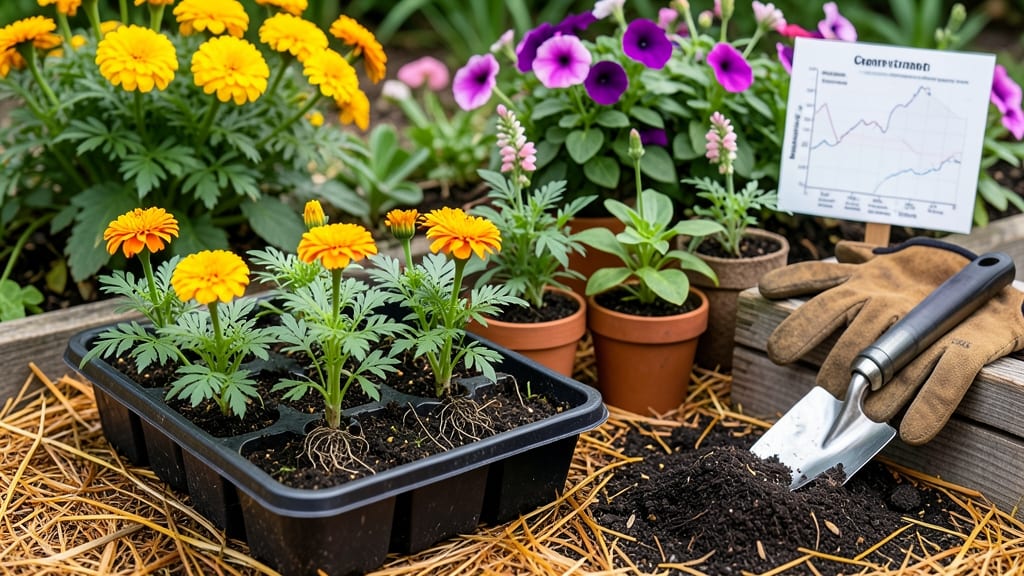
You can plant flowers outside after your last frost date in spring, but timing it right means the difference between a garden bursting with color and one that never gets off the ground.
Timing your flower planting just right can mean the difference between a vibrant garden and a sad, frost-killed disappointment—so knowing your exact last-frost date is non-negotiable.
In USDA Zone 6a, like much of the Midwest and Northeast, that window typically opens around April 15, but soil temperature and local microclimates can shift those dates by weeks.
Below, I’ll break down the exact frost-free dates by zone, how to adjust for early vs. late bloomers, and the one trick that lets you plant two weeks earlier without risking frost damage.
Exact last-frost dates for planting flowers by USDA zone
Knowing your exact last-frost date is the first step to planting flowers successfully. Frost can kill tender seedlings overnight, so timing matters more than you might think. Each USDA zone has its own average last-frost date, but microclimates can shift these by weeks.
For example, a valley might warm up faster than a hillside just a mile away. Let’s break down the probability-based planting windows for zones 3 through 11, so you can plan with confidence.
Most gardeners wait until the 90% frost-free probability before planting warm-season flowers like marigolds or petunias. Cool-season flowers, such as pansies or calendulas, can handle light frosts and often tolerate earlier planting.
Below, you’ll find a zone-by-zone guide, including early, mid, and late-season varieties that thrive in each climate. Pro tip: Use a frost calendar from your local cooperative extension service for hyper-local accuracy.
If you’re in USDA zones 3-5, where frosts linger later, focus on cold-hardy annuals like pansies and snapdragons for early color. These can handle light frosts and even bloom in cooler weather.
For zones 6-8, you’ll have more flexibility with warm-season flowers like zinnias and marigolds, but always wait until the 90% frost-free probability to avoid damage. In zones 9-11, where winters are
How to adjust planting dates for early vs. late bloomers
Not all flowers thrive on the same schedule—some cold-hardy varieties like pansies can handle early spring planting, while heat-loving zinnias need to wait until summer. The key is matching your planting dates to each flower’s temperature preferences and bloom cycles.
By strategically timing your plantings, you can stretch your garden’s seasonal color from spring to frost.
Start with early bloomers like snapdragons or sweet peas, which tolerate cooler soil and air. These can go in 4-6 weeks before your last frost date, often as soon as the ground is workable.
For late-season varieties like cosmos or sunflowers, wait until 2-3 weeks after your last frost—these need warmer soil to establish roots quickly and avoid bolt risk.
🌱 5 Key Strategies for Adjusting Planting Dates
- 1. Plant cold-hardy flowers first: Pansies, violas, and calendulas can handle 32°F (0°C) temps—start them 6 weeks before last frost.
- 2. Use succession planting: Sow fast-growing annuals like basil flowers every 2-3 weeks to replace spent blooms.
- 3. Wait for heat-tolerant varieties: Zinnias and marigolds thrive in 70°F+ (21°C+) soil—plant them after Memorial Day in most zones.
- 4. Extend fall blooms: Add mums and asters in late summer for September-October color before frost.
- 5. Monitor soil temperature: Use a soil thermometer—most flowers need 50-60°F (10-15°C) to germinate.
For succession planting, try the "staggered sowing" method: plant half your seeds at the recommended time, then repeat every 2-3 weeks for continuous blooms.
This works especially well with radish flowers or nasturtiums, which mature quickly. Even perennials like coneflowers benefit from staggered planting to ensure a longer display.
Don’t forget microclimates—a south-facing bed warms up faster than a north side. If your garden has shady spots, opt for impatiens or begonias, which tolerate cooler, slower-warming areas.
Conversely, sun-loving geraniums should wait for full warmth. Always check your local frost dates and adjust by 1-2 weeks if your area has unpredictable weather.
Pro tip: Keep a gardening journal to track which flowers thrive with early vs. late plantings. Over time, you’ll refine your schedule to match your local climate perfectly—turning your garden into a year-round color show. The goal? No bare spots and maximum bloom time! 🌼