
Flowers
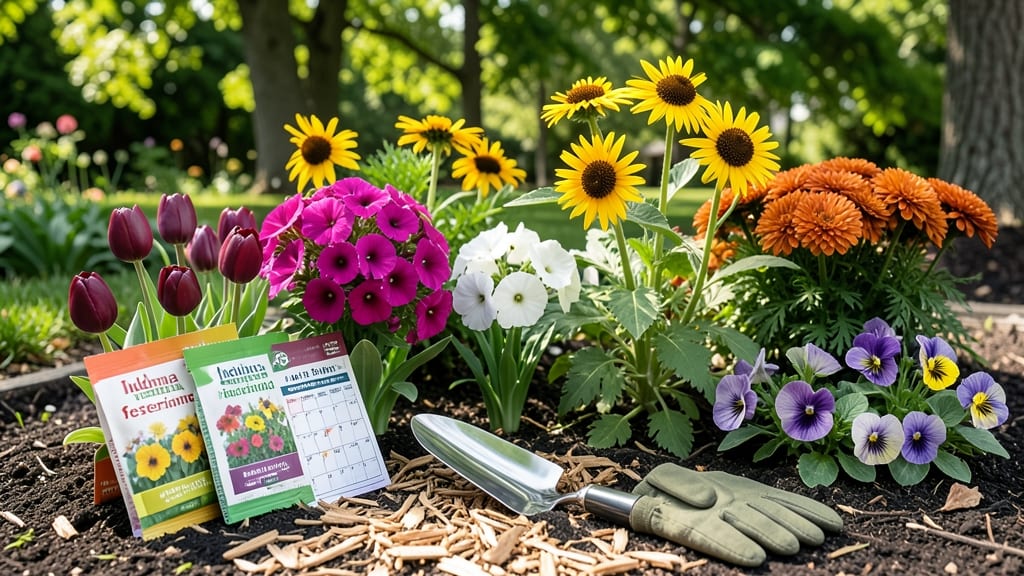
To plant flowers in Indiana, time it after the last frost date—typically mid-April for most of the state—and again in fall, six to eight weeks before the first frost.
Indiana’s unpredictable spring weather can turn your flower planting plans into a gamble—unless you follow the perfect timing for USDA Zones 5-6. One week too early, and a late frost will wipe out your 🌸 marigolds before they even bloom.
Too late, and your summer annuals might struggle to establish roots before the heat sets in.
You don’t need a degree in meteorology to get this right. By focusing on soil temperature (aim for 60°F or warmer) and regional frost dates—like April 15 in northern Indiana versus May 1 in the south—you can plant with confidence.
This guide breaks down the exact windows for annuals, perennials, and bulbs, plus tricks to push your blooms earlier or later without risking frost.
Ready to transform your garden? You’ll learn how to prep your soil, choose the right varieties for your microclimate, and even extend your growing season with simple tools. Let’s get those flowers in the ground the right way.
Indiana flower planting timeline by type: annuals vs perennials vs bulbs
Indiana’s USDA Zones 5-6 mean your flower planting schedule hinges on last frost dates (April 15–May 10) and soil temperatures reaching at least 50°F. Miss these windows, and frost-sensitive varieties like marigolds or petunias will bolt or die.
But with the right timing, you can enjoy continuous blooms from spring through fall.
Annuals, perennials, and bulbs each have unique planting rules. Annuals like zinnias thrive when planted after May 15, while perennials (e.g., coneflowers) can handle early spring soil. Bulbs, like tulips, must go in the ground by November for winter dormancy.
Let’s break down the exact windows to maximize your garden’s potential.
🌱 Key Tip: Always check your local frost-free date—northern Indiana (Zone 5) may need to wait 2 weeks longer than southern Indiana (Zone 6) for safe planting.
| Flower Type | Best Planting Window | Soil Temp Requirement | Cold-Hardy Examples | Frost-Sensitive Examples |
|---|---|---|---|---|
| Annuals (Seeds) | After May 15 (Zone 5) or May 1 (Zone 6) | 60°F+ | Marigolds, Zinnias | Petunias, Impatiens |
| Annuals (Transplants) | After April 20 (Zone 6) or May 5 (Zone 5) | 50°F+ | Cosmos, Snapdragons | Geraniums, Begonias |
| Perennials | Early spring (March–April) or fall (Sept–Oct) | 40°F+ | Coneflowers, Black-Eyed Susans | Daylilies, Peonies |
| Spring Bulbs | Fall (Oct–Nov) for next spring blooms | 50°F+ (soil) | Tulips, Daffodils | Hyacinths, Crocus |
| Fall Bulbs | Late summer (Aug–Sept) | 60°F+ | Calla Lilies, Dahlias | None (all hardy) |
For annuals, timing is everything—plant too early, and a late frost will kill tender seedlings.
Start marigolds or cosmos seeds indoors 4–6 weeks before your last frost date, then transplant after May 1 in Zone 6 or May 15 in Zone 5. Transplants (like petunias) are safer and can go in 2 weeks earlier since they’re already established.
Perennials are more forgiving. Coneflowers and black-eyed Susans can handle early spring planting as soon as soil is workable (usually March–April).
Fall planting (September–October) is ideal for dividing perennials like daylilies, giving roots time to establish before winter. 🌿 Pro Tip: Mulch newly planted perennials with 2–3 inches of straw to protect roots during
How to time your planting for Indiana’s microclimates: northern vs southern regions
Indiana’s USDA Zones 5 and 6 create distinct planting windows that can confuse even seasoned gardeners. The northern region (like Fort Wayne) often faces 2-3 weeks later last frosts than southern areas (like Indianapolis). These differences mean your tulips might bloom 10 days earlier in Evansville than in South Bend!
City-specific frost data shows Fort Wayne’s average last frost is May 10, while Indianapolis typically hits April 25. This 15-day gap affects everything from spring bulbs to warm-season annuals. Urban areas like Indianapolis also experience heat islands that can push planting dates 5-7 days earlier for heat-tolerant varieties.
Lake-effect zones near Michigan add another layer—areas like Gary can have delayed springs due to lake breezes. Meanwhile, southern Indiana’s warmer microclimates allow marigolds and zinnias to thrive when northern gardens still face frost risks.
| Factor | Northern Indiana (Zone 5) | Southern Indiana (Zone 6) | Adjustments Needed |
|---|---|---|---|
| Last Frost Date | May 10 | April 25 | Wait 2 weeks longer for frost-sensitive plants |
| First Frost Date | October 15 | October 22 | Extend fall planting by 1 week |
| Soil Warmth | 50°F by May 15 | 50°F by April 20 | Use row covers for early planting |
| Urban Heat Impact | Minimal (cooler nights) | Significant (5-10°F warmer) | Choose heat-tolerant varieties |
| Lake Effect | Delayed springs near Lake Michigan | Minimal impact | Monitor local forecasts |
For northern Indiana gardeners, focus on cold-hardy annuals like pansies and sweet alyssum for early spring color. These thrive in Zone 5’s cooler temps while southern gardens can handle impatiens and geraniums sooner.
My personal trick is planting calendula in both regions—it’s tough enough for Zone 5 but blooms prolifically in Zone 6.
Southern Indiana’s warmer microclimate lets you start tomato and pepper transplants indoors by early March, while northern gardeners should wait until April 1.
Always check local frost records—your neighbor’s garden might have different conditions than yours, especially if you’re near urban heat zones or wooded areas that stay cooler longer.
Pro tip: Use frost clocks or local weather apps to track real-time conditions. For example, Evansville’s last frost often comes 7-10 days earlier than Bloomington’s. Adjust your planting schedule accordingly to avoid frost damage to your tender perennials like canna lilies or dahlias.