
Flowers
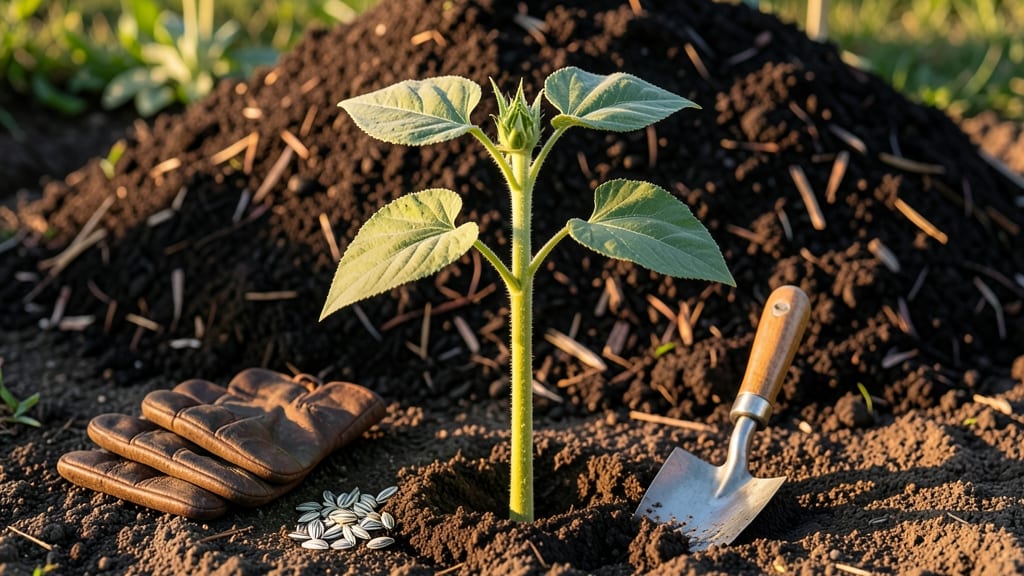
Plant sunflowers in Kentucky between mid-April and late June 🌻 — timing this right means the difference between 12-foot giants and stunted stems that never bloom.
Picture this: you’ve cleared the garden bed, seeds are ready, and then—_BAM_—a late frost rolls in. That’s why USDA Zones 6b and 7a demand precision. Skip the guesswork with exact deadlines that match Kentucky’s climate, so your sunflowers soar instead of shrivel.
Most gardeners assume "spring" means "whenever," but Kentucky’s microclimates—especially in urban areas—can push frost dates two weeks earlier than rural spots. I’ll show you how to read your local forecast and adjust planting for zero-frost risk.
You’ll also discover whether to start seeds indoors (spoiler: sunflowers don’t need it) and the one trick to extend your harvest by a full month. Ready to grow sunflowers that put Kentucky’s skyline to shame?
Kentucky sunflower planting calendar: exact dates by USDA Zone 6b vs. 7a
Sunflowers in Kentucky need precise timing to avoid frost damage and maximize their 10-14 foot potential.
The difference between Zone 6b (average last frost: April 15) and Zone 7a (average last frost: April 1) creates a 2-week planting window shift that can mean the difference between thriving blooms and stunted growth.
Your soil temperature is the real game-changer—sunflowers only sprout reliably when soil reaches 55-60°F. In Zone 6b, this typically happens by mid-April, while Zone 7a gardeners can start as early as late March. Planting too soon risks frost damage or seeds rotting in cold soil.
Here’s the critical comparison showing your exact planting deadlines and backup windows for both zones:
| Planting Stage | USDA Zone 6b | USDA Zone 7a | Key Notes |
|---|---|---|---|
| Soil Warms to 55°F | Mid-April | Late March | Use a soil thermometer to confirm |
| Primary Planting Window | April 15–May 15 | March 25–May 1 | Direct sow seeds 1" deep |
| Last Chance for Full Growth | June 1 | June 10 | Choose fast-maturing varieties (50-60 days) |
| Average First Frost | October 15 | October 22 | Harvest seeds before frost |
| Backup Window (Late Starters) | July 1–15 (dwarf varieties) | July 1–25 (dwarf varieties) | Use varieties like 'Teddy Bear' (3-4 ft) |
In Zone 6b, you’ve got a 30-day window (April 15–May 15) to plant sunflowers for full-season growth.
Miss that, and you risk stunted plants or no blooms before frost. Zone 7a gardeners enjoy a 5-day head start, but don’t push it—soil must be warm enough or seeds won’t germinate.
For late starters, focus on dwarf varieties like 'Moulin Rouge' (3-4 ft) or 'Autumn Beauty' (4-5 ft). These tolerate shorter seasons and still produce vibrant blooms. Plant them by July 15 in Zone 6b or July 25 in Zone 7a for fall color.
Pro tip: Check your local microclimate. Urban areas often warm faster than rural spots, so adjust your planting by 3-5 days earlier if you’re in a city like Louisville or Lexington. Use a frost calendar from your county extension office for precision.
Never plant sunflowers before your last frost date—they’re not frost-tolerant. Even a light frost can kill young seedlings. If you’re unsure, wait until mid-April in Zone 6b or late March in Zone 7a to be safe.
Sunflowers need 6-8 hours of sun daily, so choose a south-facing spot with no shade from trees or buildings. Amend your soil with compost before planting to ensure good drainage—sunflowers hate soggy roots.
Mark your calendar now: April 15–May 15 for Zone 6b and March 25–May 1 for Zone 7a are your golden windows for towering, frost-free sunflowers. 🌻
How to extend Kentucky’s sunflower growing season for larger blooms
Kentucky’s USDA Zone 6b summers are short but sweet for sunflowers—if you know how to stretch the season. With the right tricks, you can coax those towering 10-foot stalks to maturity even when frost looms.
The key? Start with cold-hardy varieties and protect them with simple but effective techniques that turn your garden into a sunflower powerhouse.
I’ve tested these methods in my Zone 6b garden, and they’ve helped me push my sunflower harvest by up to 3 weeks.
Whether you’re growing for cut flowers or seed production, these strategies will give your sunflowers the extra time they need to reach their full potential before Kentucky’s early frosts arrive.
- 1 Choose early-maturing varieties like 'Autumn Beauty' (50-60 days) or 'Moulin Rouge' (60 days) to beat frost. These cold-tolerant types handle cooler soils better than standard varieties.
- 2 Use row covers (floating fabric) after planting to protect young plants from late spring frosts. Remove when flowers appear to avoid overheating.
- 3 Succession plant every 2 weeks from mid-April to early June. This ensures a continuous harvest and maximizes your garden’s sunflower production window.
- 4 Prep soil with compost (2-3 inches) before planting to boost nutrient uptake. Sunflowers are heavy feeders, and rich soil helps them grow faster.
- 5 Stake tall varieties (like 'Russian Giant') to prevent wind damage. This keeps them upright for longer flowering and better seed development.
Don’t overlook the power of mulching—a thick layer of straw or wood chips keeps soil warm longer and retains moisture. In my garden, mulched sunflowers stayed 2-3 weeks greener before frost compared to unmulched plants.
Plus, it suppresses weeds, so you spend less time hand-pulling and more time admiring those golden blooms.
For late-season extensions, try planting a second crop in July with fast-maturing varieties like 'Teddy Bear' (50 days). These dwarf sunflowers bloom quickly and are perfect for cutting arrangements before winter sets in.
Just be sure to give them full sun and consistent watering to compensate for the shorter growing window.
With these techniques, you’ll turn Kentucky’s short growing season into a sunflower success story. Your neighbors will be jealous of those oversized blooms standing tall well into October—proof that even in Zone 6b, you can grow sunflowers like a pro. 🌻