
Flowers
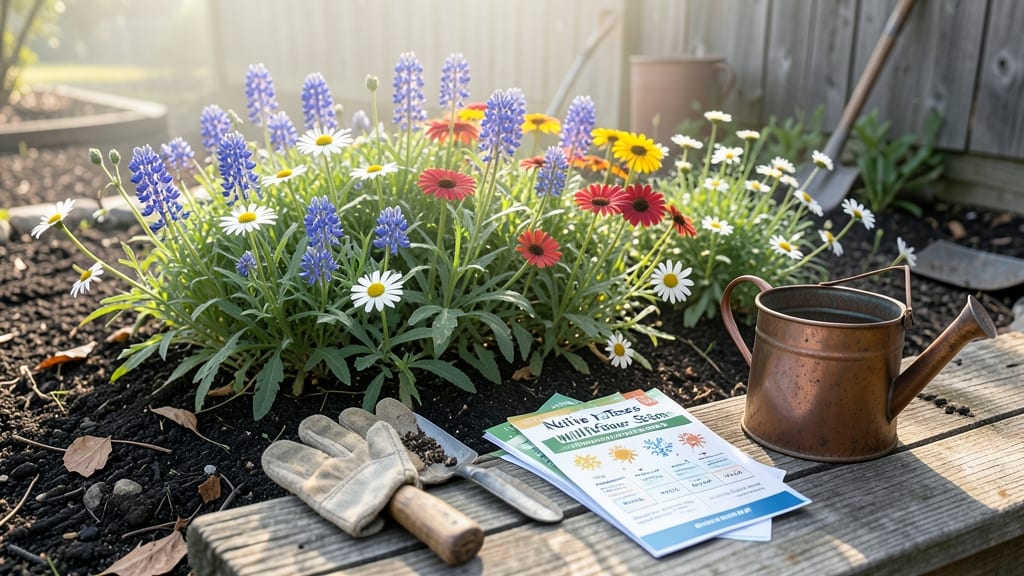
Planting flowers in Houston means timing your 🌸 beds to beat the heat and humidity—aim for late January to early March for annuals, or September to October for perennials, when the worst of the summer stress hasn’t arrived yet.
Houston’s unpredictable spring weather can turn your flower planting season into a high-stakes gamble—unless you master the art of timing. Missing the optimal window by even a few weeks could mean wilting dreams before blooms appear, especially for heat-sensitive varieties like impatiens.
With 300+ frost-free days and soil that stays warm year-round, Houston’s climate actually lets you plant flowers almost any month—but not all flowers thrive in the same heat.
The key is matching your blooms to the season: cool-season annuals in early spring, heat-lovers like lantana in late spring, and perennials in fall for a head start.
Below, I’ll break down the exact planting deadlines for Houston’s microclimates, how to prep soil for our heavy clay, and the three watering tricks that keep flowers blooming even through summer’s brutal humidity.
Houston’s frost-free planting zones: key dates by microclimate
Houston’s humid subtropical climate creates distinct microclimates where last-frost dates can vary by 2-3 weeks between neighborhoods. The Gulf Coast areas near Galveston stay frost-free longer, while North Houston and The Woodlands experience cooler pockets. Understanding these zones helps you time annuals vs. perennials perfectly for zero-frost success.
For heat-sensitive flowers like impatiens and coleus, planting too early means wilting before blooms appear. Conversely, heat-loving varieties like lantana and salvia thrive when planted after April 15, once soil temperatures exceed 65°F.
Each microclimate also dictates watering needs—Gulf Coast areas dry faster due to salt air, while inland zones retain moisture longer.
Here’s how to align your planting with Houston’s three key microclimates, including last-frost averages and ideal planting windows for both cool-season and warm-season flowers:
If you’re planting perennials, aim for September-October to establish roots before Houston’s summer heat peaks. For annuals, stagger plantings every 2-3 weeks to ensure continuous blooms—start with heat-tolerant varieties in April, then add cool-season favorites in October for fall color.
Pro tip: Use soil thermometers to confirm 60°F+ soil temps before planting warm-season flowers. Gulf Coast areas hit this mark by mid-March, while The Woodlands may wait until late April. This small step prevents seed rot and stunted growth.
For container gardening in urban heat islands (like Downtown Houston), plant heat-lovers first—their drought tolerance makes them ideal for small spaces with limited water access. Pair lantana with sweet potato vine for a low-maintenance summer display.
Remember: Houston’s humidity means morning watering is critical to prevent fungal diseases like powdery mildew. Mulch heavily (3–4 inches) to retain moisture and protect roots from temperature swings between day and night.
Even with these guidelines, watch local forecasts—Houston’s unpredictable cold snaps (like the 2021 freeze) can push last-frost dates 2+ weeks later. When in doubt, opt for tender perennials like salvia or blackfoot daisy, which bounce back after mild freezes.
With these microclimate-specific deadlines, your flower beds will bloom earlier, longer, and healthier—no more wilting dreams! Start with your zone’s cool-season window, then transition to heat-lovers by May for a year-round garden that thrives in Houston’s tropical heat. 🌿
How to adjust planting timing for Houston’s unpredictable weather patterns
Houston’s spring weather is famously fickle—one week brings unexpected frost warnings, while the next delivers 90-degree heatwaves. These swings make traditional planting calendars unreliable. The key to success? Flexible timing strategies that account for soil temperature, humidity spikes, and microclimates.
By mastering these adjustments, you can stretch your bloom season from early spring to late fall without sacrificing plant health.
Start by testing soil temperature with a simple thermometer—most flowers need 60°F+ soil to thrive. In Houston, this often means waiting until mid-February to early March for cool-season crops, while heat-lovers like lantana or zinnia can handle direct planting as early as January in protected microclimates.
Urban heat islands (like downtown Houston) can be 10°F warmer than suburban areas, so adjust accordingly.
- 1. Use soil thermometers—Plant when soil hits 60°F+ for most flowers (cooler for pansies or snapdragons).
- 2. Stagger plantings—Install 3 waves of annuals (Feb, March, April) to ensure continuous blooms through fall.
- 3. Prep for heatwaves—Mulch 2-3 inches deep and use lightweight containers to prevent root stress.
- 4. Choose shade-tolerant varieties—For urban heat islands, opt for impatiens or coleus in partial shade.
- 5. Monitor humidity—Water early morning and avoid overhead sprinkling to prevent fungal diseases.
For container gardening in Houston’s urban heat islands, self-watering pots and light-colored containers are game-changers. Dark pots absorb heat, while white or terracotta reflects sunlight, keeping roots 5-10°F cooler. Pair containers with heat-tolerant flowers like portulaca or vinca, which thrive in full sun and high humidity.
Elevate containers on brick stands to improve airflow and reduce fungal risks.
Don’t forget about staggered planting—this technique ensures a nonstop bloom parade from spring to fall. For example, plant cosmos in February, zinnias in March, and sunflowers in April.
Each batch will mature at different times, creating a sequential display that keeps your garden vibrant. This works especially well for annuals with short lifespans, like marigolds or sweet alyssum.
When heatwaves hit (and they will), shade cloth becomes your best friend. Install 30-50% shade fabric over tender plants like impatiens or begonias during 100°F+ days. For perennials, deep watering every 3-4 days encourages deeper root growth, making them more resilient.
If a sudden cold snap threatens, cover plants with frost blankets or even old bedsheets—Houston’s rare frosts can still damage heat-sensitive varieties.
Finally, embrace Houston’s extended growing season by planting fall bloomers in late summer. Mums, asters, and salvias thrive when installed in August-September, giving you autumn color before winter sets in.
With these strategies, you’ll turn Houston’s unpredictability into an advantage—blooms on demand, no matter what Mother Nature throws your way. 🌸