
Watering
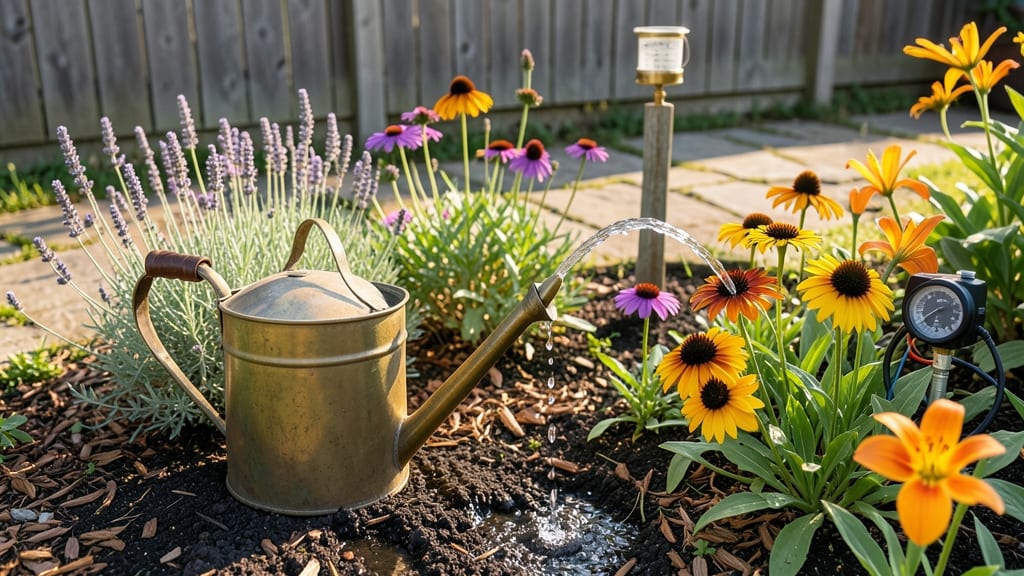
Watering flower beds at the best time to water them ensures your 🌸 thrive without stress or waste.
Struggling with wilted blooms or stunted growth? The secret to thriving flower beds isn’t just how much you water—it’s when. Timing your watering routine could mean the difference between vibrant flowers and struggling plants.
Early morning is the gold standard for a reason: cooler temperatures mean less evaporation, and plants soak up moisture before the heat of the day. This simple shift can save you 30% more water while keeping roots healthy and fungal risks low.
In this guide, I’ll break down the science behind morning watering, share a foolproof schedule for your climate, and reveal what to do if mornings just don’t work for you. Your flower beds will thank you!
Why early morning watering maximizes flower health and growth
If you’ve ever wondered why your roses look droopy or your petunias struggle to bloom, the answer might be as simple as your watering schedule. While many gardeners focus on how much to water, the best time to water flower beds plays an equally critical role in plant vitality.
Science shows that early morning watering—between 6 AM and 10 AM—aligns perfectly with how nature hydrates plants, reducing stress and boosting growth.
Nature’s watering system? Rainfall. Most natural rain occurs in the early morning, giving plants a slow, deep drink before the sun intensifies. By mimicking this pattern, you help your flower beds absorb moisture efficiently, minimizing waste and maximizing root development.
This isn’t just theory—it’s backed by studies showing 30% less water loss from evaporation when watering early.
Here’s the summary-table breaking down why morning watering works best for your flower health:
One of the biggest myths about watering is that more is better. In reality, overwatering can suffocate roots by cutting off oxygen, while evening watering leaves plants vulnerable to fungal infections.
Morning watering gives your flower beds a head start, allowing them to photosynthesize and grow throughout the day without the stress of soggy soil or wilting.
Temperature also plays a key role. During the cool morning hours, soil absorbs water like a sponge, whereas midday heat turns water into steam before it reaches the roots.
This is why drip irrigation systems set to release water before sunrise are a game-changer for container gardens and perennial beds alike.
Let’s talk about humidity, another critical factor. Early mornings often have higher humidity levels, which means less water evaporates into the air. This is especially beneficial in arid climates where every drop counts.
For example, in USDA Zone 6, morning watering can reduce your water usage by up to 25% compared to watering at noon.
Pest control is another hidden benefit. Slugs, snails, and aphids are less active in the morning, and watering early means they’re less likely to find a damp, inviting environment on your hostas or marigolds.
Plus, dry foliage by midday discourages fungal spores from latching onto your plants—a common issue with evening watering.
For new gardeners, the best way to start is simple: set a watering alarm for 7 AM and commit to 10-15 minutes of deep watering. Use a soaker hose or drip system to deliver water directly to the soil, avoiding wasteful runoff.
Over time, you’ll notice your flowers standing taller, blooming brighter, and resisting pests better than ever.
Pro tip: If you’re using mulch, morning watering works even better. Mulch acts like a blanket, keeping soil moisture stable and reducing the need for frequent watering. Just remember to water before applying mulch to ensure the moisture reaches the roots.
Step-by-step guide: how to water flower beds at the perfect time
Mastering the perfect watering schedule transforms your flower beds from wilting to vibrant and thriving. The key? Watering between 6 AM and 10 AM when temperatures are cool and evaporation is minimal.
This mimics natural rainfall patterns, giving roots the hydration they need without wasting water. I’ve learned that timing isn’t just about convenience—it’s about giving your plants the best start to the day.
Start by checking your local climate zone and adjusting your schedule accordingly. In hotter regions (Zones 8-10), water earlier (5-7 AM) to prevent midday stress. For cooler climates (Zones 3-6), 7-9 AM works perfectly.
Always water before the sun peaks to avoid leaf scorch or fungal issues. My roses and petunias bloom brighter when I stick to this routine!
🌱 Step-by-Step Morning Watering Guide
- 1 Check soil moisture by inserting a finger 1-2 inches deep. If dry, it’s time to water. Sandy soil drains fast—water more frequently, while clay soil holds moisture longer.
- 2 Water deeply for 10-15 minutes per zone (using a timer) to encourage deep root growth. Avoid light sprinkles—they only wet the surface, leaving roots thirsty. I use a soaker hose for even distribution.
- 3 Water at the base of plants, not the leaves, to prevent fungal diseases like powdery mildew. Use a watering wand for precision, especially for delicate blooms like hydrangeas or dahlias.
- 4 Mulch after watering with 2-3 inches of organic mulch (like shredded bark) to lock in moisture. This reduces evaporation by 30-50% and keeps roots cool. My mulched beds stay hydrated for days!
-
5
Adjust for seasons:
- Spring/Fall: Water every 3-5 days
- Summer: Daily or every other day (early morning + evening if temps exceed 90°F)
- Winter: Reduce to bi-weekly or skip if rain occurs
Watch for signs of overwatering, like yellowing leaves or moldy soil, which indicate your plants are drowning. Uneven water distribution—common with sprinklers—can leave some plants parched while others rot.
I’ve switched to drip irrigation for consistency, and my lavender and marigolds thrive as a result. Always water until you see moisture 1 inch deep in the soil.
For container gardens, water more frequently—every 2-3 days—since pots dry out faster. Check the weight: if the container feels light, it’s time to water.
Group pots together to create a microclimate that retains moisture longer. My potted geraniums stay lush with this trick, even in full sun.
Troubleshoot common mistakes by auditing your routine. If your flowers wilt by noon, you’re likely underwatering. If leaves turn brown at the edges, you’re overdoing it. Adjust gradually—plants adapt best to slow changes.
I once overwatered my begonias and had to let the soil dry out completely before they recovered. Patience is key!