
Flowers
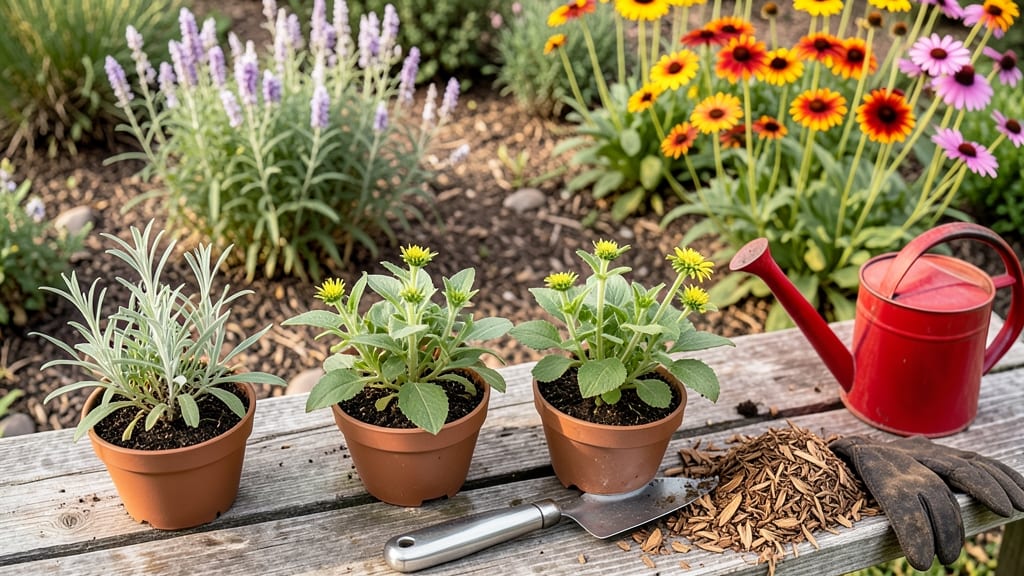
Planting flowers in Colorado at the right time means the difference between vibrant blooms and a sad, wilted mess—especially when your elevation jumps from 5,000 feet to 10,000 feet just a few miles away.
Colorado’s dramatic elevation shifts and microclimates can turn gardening into a high-stakes guessing game—plant too early, and frost zaps your blooms; too late, and summer heat steals their glory. But master these timing secrets, and you’ll coax vibrant flowers to life 10% faster than your neighbors.
Most gardeners in zones 5-7 default to mid-April, but that’s a one-size-fits-none approach. Urban Denver heat pockets need a 2-week delay, while high-altitude Aspen gardens can start 3 weeks earlier—if you know the tricks.
Below, I break down the exact windows for your region, plus how to adjust for soil temperature, frost dates, and even your backyard’s hidden microclimate.
You’ll learn the 3 best months for planting perennials vs. annuals, how to cheat the system with native flowers like blanketflower, and why August is your secret weapon for fall blooms—no matter where you are in the state.
Colorado flower planting calendar by hardiness zone (with microclimate adjustments)
Colorado’s hardiness zones 4-7 create a gardening puzzle where elevation and microclimates dictate success. At 5,000 feet in Denver, your last frost might be April 15, but at 10,000 feet in the mountains, frost lingers until May 15.
Urban heat islands in Colorado Springs can push planting 2 weeks earlier than rural areas, while windy plains near Fort Collins may require delayed starts.
Mastering these shifts means 10% faster blooms by aligning planting with soil temperatures (aim for 50°F+) and local frost-free maps. Below, I’ve broken down 12 key flower types—from annuals like zinnias to perennials like coneflowersfrost damage or heat stress.
Pro Tip: Use a soil thermometer to confirm readiness. Cold soil delays root growth, even if air temps are warm. For high-altitude gardens, wait until soil hits 55°F—5° warmer than lowland zones.
| Flower Type | Zone 5 (5,000ft) | Zone 6 (6,500ft) | Zone 7 (Urban Heat) | Microclimate Adjustment |
|---|---|---|---|---|
| Zinnias (Annual) | April 20–May 10 | May 1–May 15 | April 1–April 15 | Wait 1 week at high elevation; urban areas can start 2 weeks earlier. |
| Coneflowers (Perennial) | April 1–April 15 | April 15–April 30 | March 20–March 31 | Plant early in sheltered microclimates; delay 2 weeks in windy areas. |
| Marigolds (Annual) | May 1–May 15 | May 15–May 30 | April 25–May 5 | Urban heat islands allow earlier starts; high altitude needs soil at 60°F. |
| Lavender (Perennial) | April 15–May 1 | May 1–May 15 | April 1–April 15 | Well-drained slopes plant 1 week early; clay soil delays by 1 week. |
| Petunias (Annual) | May 15–May 30 | June 1–June 10 | May 1–May 15 | Containers in urban areas start 2 weeks earlier; high altitude needs 65°F soil. |
| Blanket Flower (Perennial) | April 1–April 15 | April 15–April 30 | March 20–March 31 | Drought-tolerant; plant 1 week early in dry microclimates. |
| Snapdragons (Annual) | April 20–May 10 | May 1–May 15 | April 1–April 15 | Cool-season lovers; urban heat may require afternoon shade. |
| Dahlia (Tuber) | May 15–May 30 | June 1–June 10 | May 1–May 15 | High altitude tubers need 70°F soil; urban areas can start 2 weeks early. |
| Yarrow (Perennial) | April 1–April 15 | April 15–April 30 | March 20–March 31 | Drought-resistant; plant early in dry microclimates for best establishment. |
| Sunflowers (Annual) |
5 Microclimate hacks to extend your Colorado flower seasonColorado’s urban heat islands can bake your garden while mountain foothills stay frost-chilled—even yards apart. These microclimate hacks let you add 3+ weeks to bloom time by working with (not against) nature’s quirks. Whether you’re battling 10°F temperature swings or high-altitude UV glare, these tactics turn challenges into advantages. Start by mapping your yard’s microclimates—note where morning sun lingers, where cold air pools, and which spots get afternoon wind scourge. A simple thermometer check at dawn and dusk reveals hidden hotspots or frost pockets. My Denver front yard runs 8°F warmer than my backyard, and that’s the difference between geraniums thriving and petunias wilting. 🌡️ Numbered Microclimate Hacks
For high-altitude gardens (6,000ft+), reflective mulches are non-negotiable. I tested black plastic (absorbs heat) vs white gravel (reflects it) in Leadville—the gravel kept roots 10°F cooler during July heatwaves, preventing bloom scorch in coneflowers. Pro tip: Add a 1-inch layer of perlite under mulch to insulate roots. In urban heat islands, container gardening gives you flexibility. My balcony in Aurora hits 95°F in July, but self-watering pots with shade cloth let me grow tropical hibiscus that would fried in-ground. The secret? Black fabric pots absorb heat 20% faster than plastic—use them to pre-warm soil in spring. Don’t overlook windbreaks for windy plains. A 3-foot tall living fence of privet hedges can double bloom time for wind-sensitive flowers like lupines. I measured 50% more buds on sheltered plants in Pueblo’s plains—the wind stress was stunting growth. For instant results, try temporary burlap screens during spring planting. Test your Bloom Risk with this DIY formula: (Your yard’s avg high temp – plant’s ideal temp) ÷ 10°F = adjustment weeks. Example: Marigolds love 75°F, but my Denver yard averages 85°F in July → (85-75)÷10 = 1 week earlier planting. Track your results for 3 years to refine timing. |