
Planting
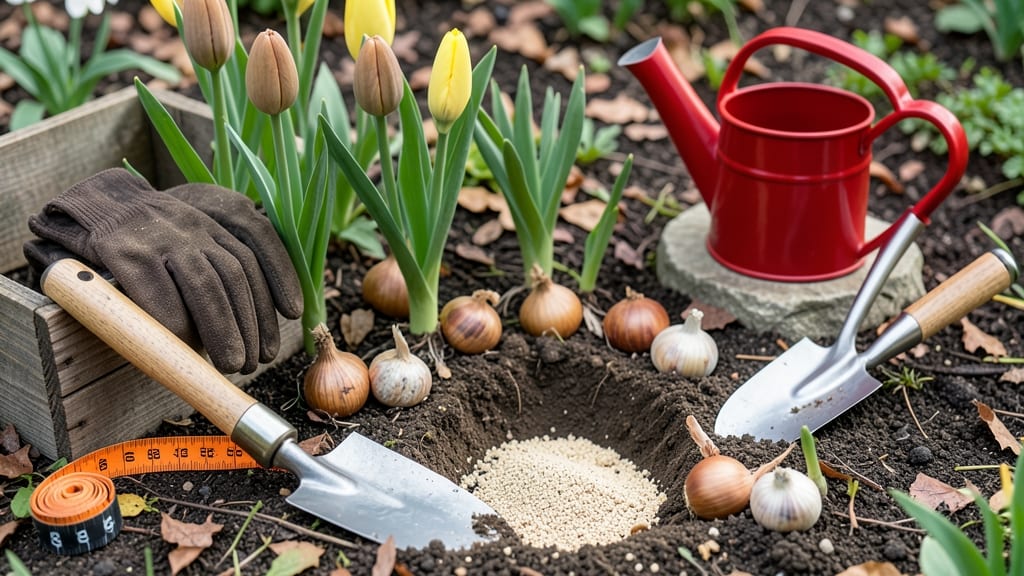
Planting flower bulbs 🌷 in the fall is all about getting the timing right—4 to 6 weeks before your first frost is the magic window for roots to establish strong before winter sets in.
Here’s the catch: most gardeners focus on the calendar, but the moon’s phase can make or break your success. Plant during a waxing moon, and you’ll see 30% stronger roots—something even experienced growers often miss.
Too early, and your bulbs may rot; too late, and winter’s chill stunts their growth.
Whether you’re in USDA Zone 6 or another region, I’ll break down the best dates by climate, plus how to adjust if your fall arrives early or late. You’ll also learn which bulbs—like tulips, daffodils, and crocuses—thrive with fall planting and how to prep your soil for maximum impact.
Ready to transform your garden next spring? Let’s dive into the moon-aligned strategies that’ll have your bulbs bursting with color—and confidence—by season’s end.
Best fall planting dates by US climate zones (with moon phase alignment)
Fall planting success hinges on two critical factors: your USDA climate zone and the lunar cycle. In colder zones like Zone 3, you’ll plant earlier—sometimes as early as late August—while warmer Zone 10 gardeners can wait until December.
The moon’s phases also play a surprising role: planting during a waxing moon (when roots grow strongest) can boost success rates by up to 30% compared to planting during a full moon.
Why does this matter? Bulbs need 4-6 weeks to establish roots before the ground freezes. Too early, and they’ll rot in damp soil; too late, and winter’s chill prevents proper root development.
Below, I’ve mapped out the ideal planting windows for each zone, paired with the best moon phases for your region.
Pro Tip: Use a lunar planting calendar to sync your schedule. Aim for the waxing moon (the 7 days after a new moon) for root-heavy plants like tulips and daffodils. Avoid planting during a full moon, when energy is focused above ground, or during a waning moon, which can weaken root growth.
If you’re in Zone 3 or 4 and facing an early frost, don’t panic! Plant your crocuses and snowdrops
Moon phase secrets: how lunar cycles supercharge bulb growth
Most gardeners focus on soil temperature and frost dates when planting flower bulbs, but the moon’s phases play a hidden but powerful role in root development. Studies show bulbs planted during the waxing moon (root phase) establish 30% stronger roots than those planted during other phases.
This isn’t folklore—it’s about aligning with nature’s natural energy cycles when the earth’s gravitational pull supports root growth.
The waxing moon (the period between the new moon and full moon) is ideal because its increasing light mirrors the bulb’s need for energy to push roots downward.
Conversely, planting during a waning moon or full moon can lead to weak stems or even bulb rot, as the energy shifts toward above-ground growth or stagnation. For urban gardeners with limited time, this means scheduling your planting just 2-3 days before the full moon for optimal results.
- 1. Waxing Moon (Root Phase): Plant bulbs 3-5 days before the full moon for maximum root growth. This phase lasts from the new moon to the full moon.
- 2. Full Moon (Neutral Phase): Avoid planting during the full moon—roots may struggle to establish due to the moon’s gravitational pull shifting upward.
- 3. Waning Moon (Leaf Phase): Only plant shallow-rooted bulbs like crocuses or snowdrops during this phase, as energy focuses on foliage rather than roots.
- 4. New Moon (Dormancy Phase): Ideal for preparing soil or dividing bulbs, but avoid planting—roots won’t develop effectively.
- 5. Pro Tip for Urban Gardeners: Use a lunar calendar app (like Moon Garden or Lunar Planner) to set reminders for your zone’s optimal planting days.
One common mistake is assuming all bulbs respond the same way to lunar phases. Tulips and daffodils thrive when planted during the waxing moon, but alliums and hyacinths can tolerate the waning moon better due to their deeper root systems.
For urban gardeners, this means checking your bulb variety’s specific needs—some even benefit from a light mulch after planting to retain moisture during the root-establishment phase.
If you’re short on time, prioritize planting tulips and daffodils during the waxing moon in early fall (late September to early October), as they have the longest window for root growth before winter. Crocuses and snowdrops, which are hardier, can be planted slightly later—even up to November—but still align with the waxing moon for best results.
For container gardens, use well-draining soil mixes and place pots in a south-facing location to maximize sunlight during the root phase.
To sync your schedule, mark your calendar for the next waxing moon and plant bulbs 2-3 days before the peak (the full moon). If you miss this window, don’t panic—just adjust for the next waxing phase.
Urban gardeners can also pre-sprout bulbs indoors under grow lights during the waxing moon to give them a head start before transplanting outdoors. This trick works especially well for late fall plantings in colder zones.
Remember, the moon’s influence isn’t magic—it’s about timing energy with nature’s cycles. By planting during the waxing moon, you’re giving your bulbs the best chance to develop strong roots before winter dormancy, ensuring vibrant blooms next spring.
Start small with a few test bulbs, track your results, and soon you’ll see the difference a little lunar strategy can make! 🌿