Plants
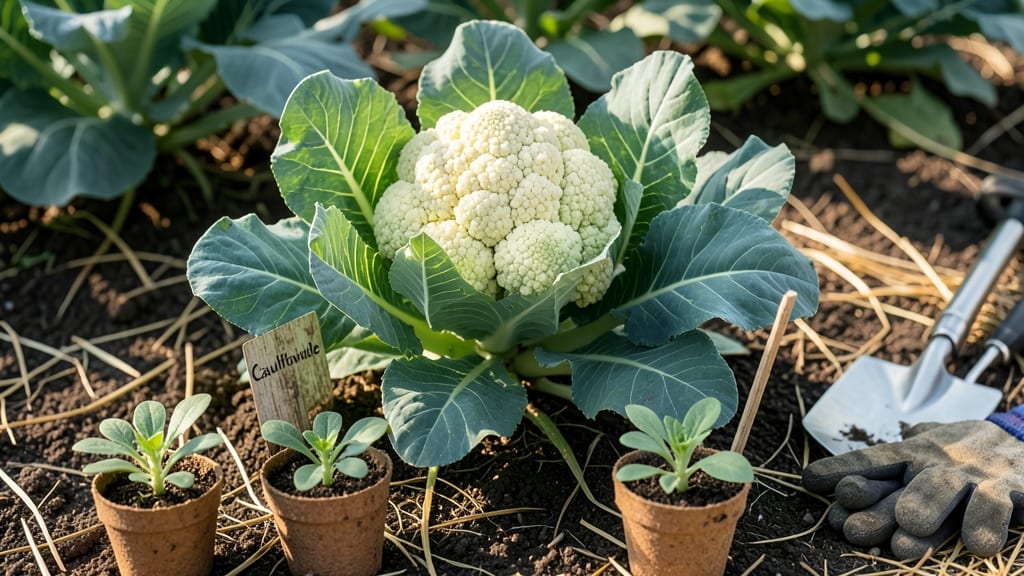
Plant cauliflower in Texas between September and October for a fall harvest, or February to March for spring—timing is everything to avoid the brutal summer heat.
Texas gardeners know the struggle: scorching summers and unpredictable weather can make growing 🥬 seem impossible—but with the right timing and heat-tolerant varieties, you can enjoy a bountiful harvest even in the Lone Star State.
The key is planting 6-8 weeks before the first frost in your region, which means late summer for North Texas and early fall for South Texas. Miss that window, and you risk bolting or stunted growth.
In this guide, I’ll break down the exact months for your USDA zone, the best varieties for Texas heat, and how to prep your soil to keep your cauliflower thriving—no guesswork involved.
Best months to plant cauliflower in Texas (avoid these deadly mistakes)
Growing cauliflower in Texas requires precise timing to avoid the two biggest threats: scorching summer heat and unpredictable frost. Unlike cooler climates, Texas gardeners must focus on fall and early spring planting windows when temperatures stay between 60°F and 75°F—ideal for head formation.
Plant too early, and your seedlings will bolt from heat stress; too late, and frost ruins your harvest before maturity.
Texas spans USDA zones 7-10, meaning your exact planting dates depend on whether you're in North Texas (zone 7-8), Central Texas (zone 8-9), or South Texas (zone 9-10).
For example, Houston gardeners can plant in September and February, while Dallas gardeners should aim for August-September and March. The key is aligning your schedule with first frost dates and heat tolerance limits.
| Texas Region | USDA Zone | Best Planting Months | Avoid Planting | Harvest Window |
|---|---|---|---|---|
| North Texas (Dallas, Fort Worth) | 7b-8a | August 15 - September 15 February 15 - March 15 |
May - October (heat stress) | December - January May - June |
| Central Texas (Austin, San Antonio) | 8a-8b | September 1 - October 1 February 1 - March 1 |
June - September (extreme heat) | December - January May - June |
| South Texas (Houston, Corpus Christi) | 9a-10a | September 15 - October 15 February 15 - March 15 |
April - September (bolting risk) | December - January May - June |
| High Elevation (Mountain Regions) | 7a-8a | July 15 - August 15 March 1 - April 1 |
June - September (frost risk) | October - November June - July |
📅 Critical Tip: Plant 6-8 weeks before first frost for fall crops or 4-6 weeks before last frost for spring.
For fall planting, start seeds indoors 6-8 weeks before transplanting (around July 15 for North Texas and August 1 for South Texas) to ensure seedlings are ready by September. Direct sowing outdoors works too, but use shade cloth to protect young plants from 90°F+ temperatures.
In spring, transplant 4-6 weeks before last frost—typically February-March—to avoid heat stress before heads form.
One of the biggest mistakes Texas gardeners make is planting cauliflower in summer. Temperatures above 80°F trigger bolting (premature flowering), ruining your harvest. To extend your season, use floating row covers or shade cloth (30-50%) during peak afternoon heat.
This keeps soil temps 10-15°F cooler and prevents stress. I’ve seen Purple of Sicily varieties thrive under shade cloth in 100°F heat—something I never thought possible!
Another critical factor is soil temperature. Cauliflower roots struggle in soil above 85°F. To cool the soil, use black plastic mulch in summer or straw mulch in fall. This creates a 5-10°F cooler microclimate at the root zone.
Pair this with drip irrigation (not overhead watering) to avoid fungal diseases like downy mildew, which thrives in Texas’ humid summers.
If you’re in South Texas (zones 9-10), focus on late summer to early fall planting. The first frost often hits by November 15, so aim to harvest by December 1.
For North Texas (zones 7-8), frost can arrive as early as November 15, so plant by September 15 for a December-January harvest. Pro tip: Use a mini greenhouse or cold frame to push harvests into late winter.
For spring planting, start seeds indoors in January and transplant by February 15. This gives heads time to mature before summer heat sets in. In Central Texas, I’ve had success with ‘Snowball Y Improved’ when planted in March—it tolerates brief heat spikes better than other varieties.
Always choose heat-tolerant varieties like ‘Cheddar’ or ‘Graffiti’ for Texas’ unpredictable climate.
Finally, monitor your planting depth. Cauliflower seeds should be ½ inch deep, and transplants need 18-24 inches between plants for proper airflow. Overcrowding leads to disease and poor head formation. In Texas’ high humidity, space is your best defense against rot and pests.
I once lost an entire row to cabbage worms because I planted too closely—now I use row covers until heads form.
With the right timing and a few Texas-specific tricks, you can grow cauliflower successfully in even the hottest parts of the state. Start with fall planting, protect seedlings from heat, and choose
Top 5 heat-tolerant cauliflower varieties that thrive in Texas heat
Growing cauliflower in Texas heat feels like a losing battle—until you choose the right heat-tolerant varieties. Most cauliflower hates temperatures above 80°F, but these five varieties handle Texas summers better than others. They resist bolting and deliver flavorful heads even when the mercury rises.
For Texas gardeners, selecting the best variety means balancing heat tolerance, disease resistance, and maturity speed. Slow-growing varieties bolt in the heat, while fast-maturing ones may not develop properly. These picks strike the perfect balance, ensuring you can harvest homegrown cauliflower from fall through spring.
'Cheddar' is my top pick for Texas heat—it matures in just 55-60 days and produces creamy white heads that stay firm even when temperatures hover around 90°F. This variety is perfect for fall planting (September-October) and handles light frosts better than most.
'Purple of Sicily' stands out for its disease resistance and nutty flavor, making it ideal for organic gardens. Its deep purple heads turn white when cooked, adding visual appeal to your plate. Plant this variety in late summer (August) for a fall harvest before winter sets in.
If you prefer large heads, 'Snowball Y Improved' delivers 6-8 inch curds with a mild, sweet taste. It’s slightly less heat-tolerant than 'Cheddar' but excels in cooler fall months. For spring planting (February-March), this variety thrives when paired with shade cloth to protect young plants.
For a fun twist, try 'Graffiti', a colorful heirloom with green, purple, and white speckled heads. It’s heat-tolerant and compact, making it perfect for container gardening or small spaces. Harvest in 70-80 days, and enjoy its crisp texture and mild flavor.
Finally, 'Purple of Castelfranco' offers a sweet, nutty taste and slow bolting in heat. Its large purple heads turn white when cooked, and it’s a favorite for Texas gardeners who want flavorful, reliable harvests. Plant in early fall (September) for a winter harvest before spring heat arrives.