
Plants
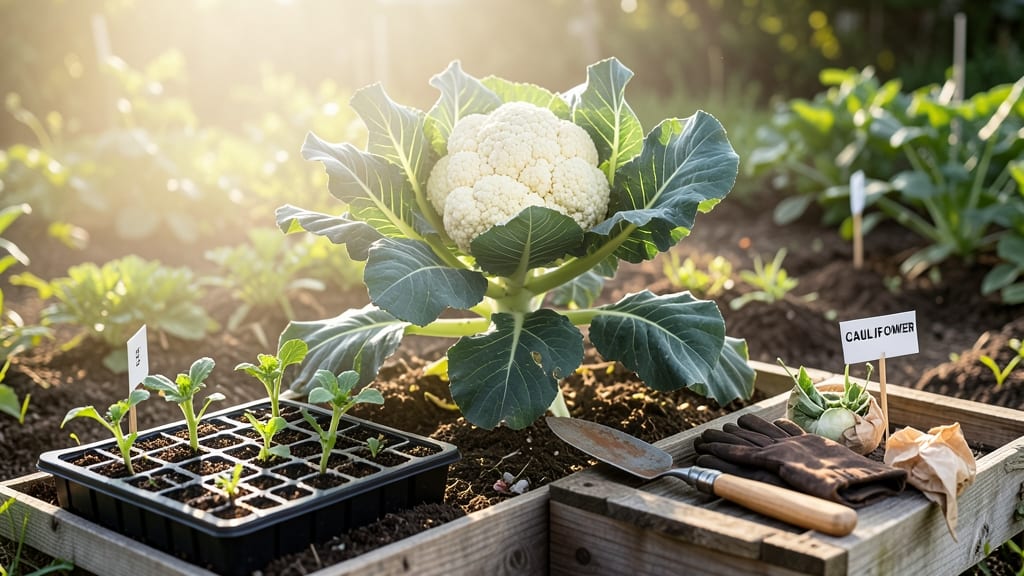
Planting cauliflower in Michigan at the right time means the difference between a bountiful harvest and a sad, wilted mess in your garden.
Michigan gardeners know timing is everything—plant too early, and frost will kill your crop; too late, and summer heat ruins the harvest. Mastering the perfect planting window ensures bold, flavorful heads all season long.
For USDA Zones 5b-6b, your best bets are mid-April to early May for spring and late July to early August for fall. These windows align with soil warmth and frost-free periods, but local microclimates can shift those dates by weeks.
Below, I’ll break down the exact frost dates, soil prep tricks, and succession planting strategies to stretch your cauliflower season—so you’re harvesting 🥬 from July through November without the guesswork.
Michigan cauliflower planting calendar: exact dates for USDA zones 5-6
Cauliflower thrives in Michigan’s cool-season climate, but timing is critical—spring frosts can wipe out young plants, while summer heat causes bolting. Zone 5’s colder climate demands earlier starts than Zone 6, and fall plantings require heat-tolerant varieties to avoid premature flowering.
Let’s break down the exact frost-based windows for both zones, including backup dates for unpredictable years.
For spring plantings, aim to transplant seedlings 2-3 weeks after your last frost date (typically mid-April to early May in Zone 6 and late April to mid-May in Zone 5). If you’re direct sowing, wait until soil temperatures hit 45°F (7°C)—usually 1-2 weeks later than transplanting.
Fall plantings, however, need a different strategy: sow seeds 8-10 weeks before your first frost (usually late July to early August), choosing varieties like ‘Snowball Y Improved’ that tolerate mild heat.
Here’s your Michigan cauliflower planting calendar with frost-adjusted dates for Zones 5 and 6, including backup windows for late frosts or early heat waves:
| Planting Window | USDA Zone 5 | USDA Zone 6 | Notes |
|---|---|---|---|
| Spring Transplants | Late April – Mid-May | Mid-April – Early May | Start seeds indoors 6-8 weeks before last frost |
| Spring Direct Sow | Early May – Early June | Late April – Early May | Soil must be 45°F+; use row covers for frost protection |
| Fall Transplants | Late July – Early August | Late July – Early August | Choose heat-tolerant varieties; harvest before first frost |
| Backup Window (Late Frost) | Early June (transplants) | Early May (transplants) | Use row covers; expect smaller heads |
| Backup Window (Early Heat) | Mid-August (fall sow) | Mid-August (fall sow) | Prioritize fast-maturing varieties (e.g., ‘Purple of Sicily’) |
In Zone 5, where frosts linger longer, I always start seeds indoors by mid-March for spring transplants. Use grow lights if natural light is limited, and harden off seedlings for 1-2 weeks before transplanting.
For Zone 6, you can push the timeline slightly later—early April starts work well—but monitor soil temperatures closely to avoid cold damage.
For fall plantings, the key is selecting heat-tolerant varieties like ‘Graffiti’ or ‘Cheddar’, which handle 85°F+ temperatures better than traditional types.
I’ve found that late July sowings in both zones yield the best results, but if your summer runs hot, opt for shade cloth during peak afternoon heat to prevent bolting. Always harvest before the first frost, even if the heads aren’t fully mature—tender curds are still delicious!
Pro tip: Succession plant every 2 weeks in spring for a staggered harvest. In my Zone 5 garden, I’ll make 3 planting batches: late April, early May, and early June.
This ensures I have cauliflower ready from June through October, with minimal gaps. Just remember to space plants 18-24 inches apart—crowding leads to disease pressure and poor head formation.
If you’re dealing with unpredictable Michigan weather, consider row covers for early spring plantings. A lightweight frost blanket can protect seedlings down to 20°F, buying you extra time to establish plants. For fall, black plastic mulch helps soil retain heat while suppressing weeds.
I’ve even used cold frames to extend harvests into November in milder Zone 6 years—just remove the frame if temperatures dip below 30°F.
One common mistake I see is planting too late in spring and ending up with small, bitter heads by summer. If you miss the early May window, switch to fast-maturing varieties like ‘Snowball 80’ (ready in 60 days) to salvage the season
How to extend your Michigan cauliflower season: frost protection and succession planting
Michigan’s unpredictable frosts and short growing season can challenge cauliflower lovers—but with the right strategies, you can enjoy fresh heads well beyond the typical July-August window. By combining frost protection with succession planting, I’ve pushed my harvests into late October while avoiding summer bolting.
The key? Balancing cost-effective methods with your garden’s specific microclimate.
Start with heat-tolerant varieties like ‘Snowball Y Improved’ or ‘Purple of Sicily’ for fall plantings—they handle Michigan’s late-summer heat better than standard types. Pair these with row covers or cold frames to shield tender seedlings from unexpected spring frosts (which hit Zone 5 gardens hard).
My secret weapon? Staggered sowing every 2 weeks from mid-July to early August for a steady fall harvest.
Frost Protection Methods for Michigan Cauliflower
Row Covers
Pros: Lightweight, reusable, extends season by 3-4 weeks
Cons: Reduces sunlight by 10-15%, needs staking
Cost: $15-$30 per 100 sq ft
Cold Frames
Pros: Extends season by 6-8 weeks, protects from wind
Cons: Higher upfront cost, requires assembly
Cost: $50-$150 per frame
Succession Planting
Pros: Continuous harvest, no extra materials
Cons: Requires space management, labor-intensive
Cost: $0 (just seeds)
For early spring plantings, I swear by black plastic mulch combined with low tunnels—this combo warms soil faster and shields seedlings from late-May frosts. In my Zone 5b garden, I’ve successfully planted transplants in early April under these conditions, harvesting by mid-June.
The mulch also suppresses weeds, saving me 3 hours of weeding per season.
Don’t overlook microclimates—southern exposures or raised beds warm up 2-3 days earlier than northern areas. Last year, my raised bed in full sun supported cauliflower 10 days longer than the in-ground plot.
Test your garden’s heat pockets by planting a test row of fast-growing radishes—if they thrive, cauliflower will too.
When choosing varieties, prioritize bolting resistance. ‘Graffiti’ (purple) and ‘Cheddar’ (orange) handle Michigan’s temperature swings better than white varieties. For fall plantings, aim for 70-day maturing types—this gives you a harvest before first frost (typically mid-October in Zone 5).
Always harden off seedlings for 7-10 days before transplanting to prevent shock.
Pro tip: Use drip irrigation on a timer to maintain consistent moisture—cauliflower heads split when soil dries unevenly. My fall plants stayed perfect with morning watering (1-2 inches per week), while spring plants needed afternoon watering during dry spells.
Pair this with mulch to retain moisture and regulate soil temperature.