
Flowers
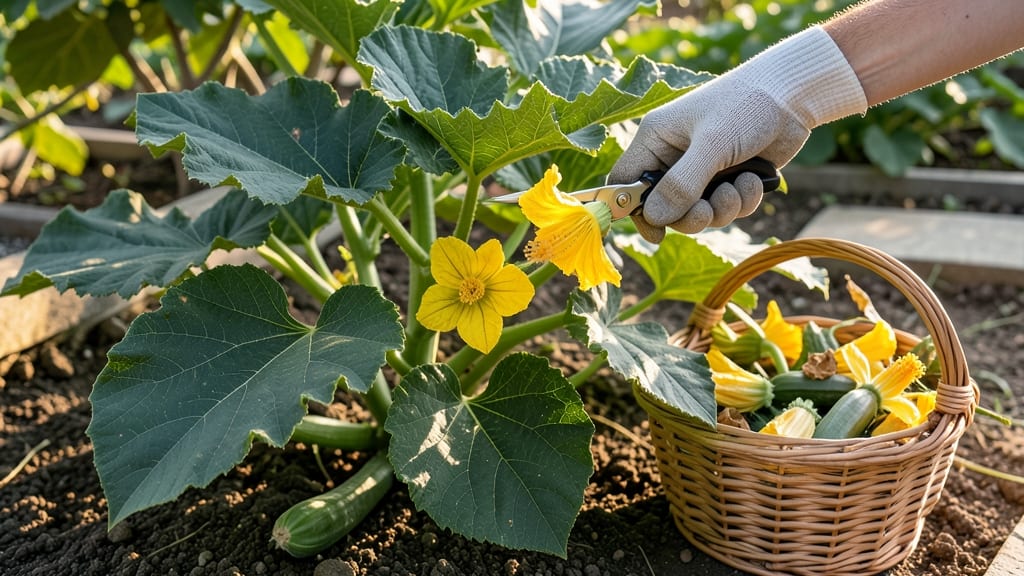
Picking zucchini flowers at the right time boosts your harvest and lets you enjoy these edible blooms 🎃—but get it wrong, and you risk losing both fruit and flavor.
Most gardeners assume you can grab any flower and call it a day, but timing matters. Harvest too early, and you stunt pollination; too late, and the flower turns bitter. The key is catching them at peak freshness—when petals unfurl fully but before wilting sets in.
This guide breaks down the best moments to pick, how to tell male flowers from female (they’re not the same!), and why harvesting at dawn keeps your plants producing. Plus, we’ll cover how to use these delicate blooms in cooking—because they’re not just pretty, they’re delicious.
Ready to turn your zucchini patch into a double harvest? Let’s dive into the exact techniques that work, plus common mistakes to avoid so your plants keep blooming all season.
Optimal zucchini flower harvest timing for pollination success
Timing is everything when harvesting zucchini flowers—especially if you want to maximize fruit production. Male and female flowers have different roles in pollination, and picking them at the wrong time can reduce your harvest or even stress the plant.
I’ve learned through years of gardening that morning harvests yield the freshest blooms, but weather and flower type also play critical roles.
Understanding the difference between male and female zucchini flowers is your first step. Male flowers grow on long stems and appear first, while female flowers have tiny zucchini forming at their base.
Harvesting male flowers too early can limit pollination, but leaving them too long reduces their effectiveness. Female flowers should be picked just before they open fully to encourage more blooms.
Weather conditions also impact the best time to harvest. On cool, cloudy mornings, flowers may stay closed longer, so wait until mid-morning to check for readiness. In hot, dry climates, pick early in the morning to preserve moisture and prevent wilting.
Humidity can also affect petal fragility, making them more prone to damage during harvest.
Here’s a quick comparison to guide your harvest timing based on flower type and environmental factors:
| Factor | Male Flowers | Female Flowers |
|---|---|---|
| Best Time to Harvest | Morning (6-9 AM) | Late morning (9-11 AM) |
| Ideal Flower Stage | Fully open, stamens visible | Bud stage (just before opening) |
| Weather Impact | Harvest earlier in heat | Wait for warmth to open buds |
| Purpose of Harvest | Encourage pollination | Promote fruit development |
| Storage Tips | Use immediately or refrigerate | Use within 24 hours for best results |
Morning harvests are ideal because flowers are at their peak freshness and less likely to wilt. If you’re harvesting male flowers for pollination, aim for 6-9 AM when stamens are fully extended.
For female flowers, wait until 9-11 AM to ensure buds have opened naturally. This timing aligns with the plant’s natural rhythm and reduces stress.
Pollination success hinges on balance. If you remove too many male flowers, bees may struggle to transfer pollen to female flowers, leading to fewer zucchinis. Conversely, leaving too many female flowers unharvested can overwhelm the plant.
I’ve found that removing 2-3 male flowers per plant daily maintains equilibrium while encouraging continuous blooming.
Weather plays a surprising role in harvest timing. On humid days, petals become delicate and tear easily, so handle them gently. In dry conditions, harvest early to prevent wilting.
If rain is forecasted, pick flowers the day before to avoid soggy, damaged blooms. Always check the forecast before planning your harvest schedule.
One common mistake I see is harvesting female flowers too late. Once a female flower opens and begins forming fruit, it’s already committed to producing a zucchini. Picking it then removes potential yield.
Instead, harvest female buds just as they’re about to open—this signals the plant to produce more flowers and keeps your harvest abundant.
Proper storage extends the life of harvested flowers. For male flowers, store them in a paper bag in the fridge for up to 24 hours to use in cooking.
Female flowers should be used immediately or stored briefly to maintain freshness. If you’re not using them right away, consider freezing them for later culinary use.
By mastering the art of timing and selection, you’ll transform your zucchini patch into a pollination powerhouse. Pay attention to flower types, environmental cues, and storage needs, and you’ll enjoy a season of healthy blooms and bountiful harvests. 🌼
How to identify and harvest zucchini flowers at peak freshness
Harvesting zucchini flowers at the right time ensures both delicious edible blooms and a thriving harvest of squash. The key is recognizing the subtle differences between male and female flowers—each plays a unique role in your garden's productivity.
Male flowers appear first and are great for frying, while female flowers (with tiny squash at their base) are the future of your crop. Timing matters: pick them too early, and they won’t be flavorful; too late, and you risk losing potential fruit.
For optimal quality, harvest flowers in the early morning when temperatures are cool and dew is present. This preserves their freshness and ensures maximum flavor. Always use clean, sharp pruning shears or scissors to avoid damaging the plant.
Cut the stem at a 45-degree angle about an inch below the flower to promote faster regrowth. This simple technique keeps your zucchini plant healthy and encourages continuous blooming throughout the season.
When to Pick Zucchini Flowers: Key Timing Guide
- 🌼 Fully Open Blooms: Harvest when petals are completely unfurled and vibrant yellow.
- 🌸 Early Morning: Pick between 6-8 AM for peak freshness and crisp texture.
- 🌿 Male Flowers First: Harvest male flowers (no mini squash at base) to encourage pollination of female flowers.
- ✂️ Stem Length: Leave at least 1 inch of stem attached to prevent wilting.
- 🌡️ Cool Weather: Avoid harvesting in extreme heat (above 90°F) to preserve delicate petals.
Once harvested, store zucchini flowers properly to maintain their freshness. Place them in a paper bag or wrap them loosely in a damp paper towel inside a plastic bag. Refrigerate for up to 3 days if you’re not using them immediately.
For longer storage, consider blanching and freezing—dip flowers in boiling water for 30 seconds, then ice bath, pat dry, and freeze in airtight containers. This method locks in flavor for up to 6 months, perfect for off-season cooking.
Did you know zucchini flowers are packed with nutrients? They’re rich in vitamins A and C, potassium, and antioxidants. Use them in salads, tempura, or stuff them with cheese and herbs for a gourmet treat. The more you harvest, the more your plant will produce—both flowers and squash!
Just remember to leave a few female flowers unpicked to ensure a steady supply of zucchini. Balance is key to a productive garden.
If your flowers start to wilt before you can harvest them, don’t toss them! Wilted blooms can still be used in homemade vinegar or infused oils. Simply steep them in olive oil for a few days, then strain and store.
This clever reuse reduces waste and adds unique flavor to your dishes. Even experienced gardeners sometimes struggle with timing, so don’t be discouraged—every harvest teaches you more about your plants.
Pro tip: Hand-pollinate your zucchini flowers if bees are scarce. Use a small paintbrush to transfer pollen from male to female flowers. This ensures fruit set even in urban gardens or during cooler weather when pollinators are less active.
A little extra effort now means more squash later—it’s a win-win for your harvest! 🌱