
Flowers
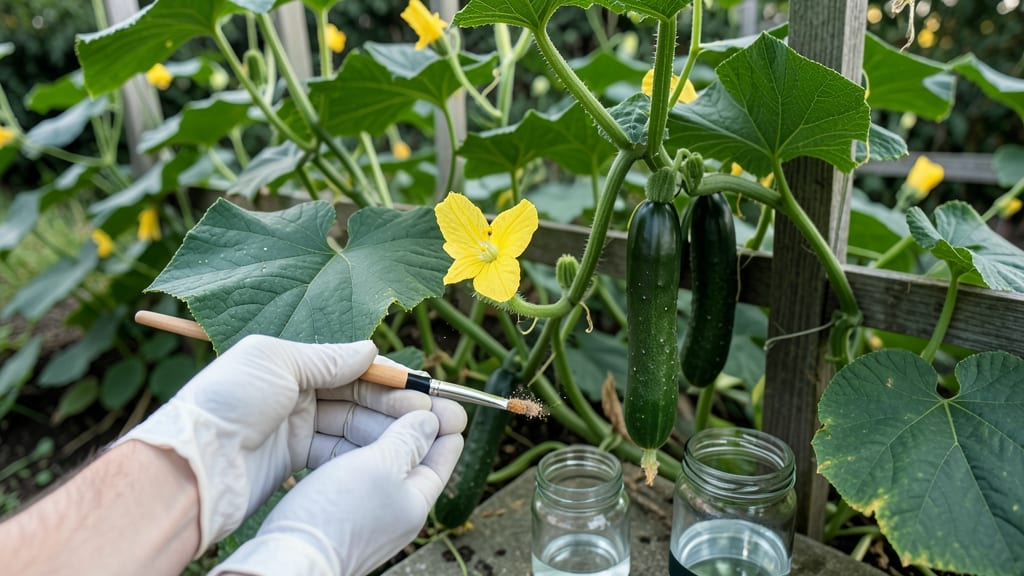
To pollinate cucumbers without male flowers, you can hand-pollinate female blooms using a simple tool like a cotton swab or paintbrush 🥒—no bees or male plants required.
Struggling with cucumber plants that refuse to produce fruit despite plenty of female flowers? The issue might be pollination—and you don’t need male flowers to fix it.
Many gardeners assume they need both male and female flowers for cucumbers, but the truth is, you can bypass male flowers entirely with the right technique. This method works especially well for parthenocarpic varieties, which produce fruit without pollination, but even regular cucumbers benefit from a little human help.
Below, I’ll walk you through the exact steps to hand-pollinate cucumbers, plus alternative tricks for stubborn plants. You’ll learn how to identify the right flowers, when to pollinate for the best results, and even how to troubleshoot common problems like poor fruit set or early drop.
Why female-focused cucumber plants need hand pollination
If your cucumber plants are blooming with female flowers but producing few—if any—fruit, you're not alone. Many gardeners face this frustration, especially with female-focused varieties designed for high yields. The issue often boils down to pollination, a process that requires more than just female flowers.
Without proper male flower pollen transfer, those blossoms simply wither without fruit.
Cucumbers are monoecious, meaning each plant produces both male and female flowers—though some varieties prioritize female blooms for faster harvests. However, female flowers cannot pollinate themselves. They rely on pollen from male flowers, which develop first in the season.
When male flowers are absent or underperforming, hand pollination becomes your best tool to ensure fruit set.
Even parthenocarpic varieties (which produce fruit without pollination) have limits. While they excel in greenhouse settings or areas with limited pollinators, they still benefit from hand assistance in outdoor gardens where environmental stressors like heat or wind can disrupt natural processes.
Understanding this biology is the first step to troubleshooting your cucumber harvest.
Here’s the core issue: female cucumber flowers have a swollen base (the future fruit), while male flowers grow on long stems with no swelling. When bees or wind transfer male pollen to female flowers, fertilization occurs.
Without this transfer, the female flowers drop off within 24-48 hours, leaving you with empty vines.
Environmental factors like poor weather, lack of pollinators, or even over-fertilizing with nitrogen can skew the plant’s energy toward foliage instead of flowers. This imbalance reduces male flower production, making hand pollination a critical skill for gardeners in urban areas or greenhouse setups where natural pollinators are scarce.
Wind and temperature also play a role. Cucumbers thrive in warm, still conditions (70–90°F), but gusty days or extreme heat can prevent pollen from reaching female flowers. Even if male flowers are present, their pollen may not travel far enough. That’s where manual intervention steps in to bridge the gap.
One common misconception is that female-only cucumber varieties don’t need male flowers at all. While some parthenocarpic hybrids (like 'Diva' or 'Sweet Success') produce fruit without pollination, they often yield smaller or misshapen fruits without manual assistance. For optimal results, hand pollination ensures larger, straighter cucumbers with better flavor.
Timing is everything when it comes to hand pollination. Female flowers open in the morning and must be pollinated within 24 hours to set fruit. If you miss this window, the flower will wilt and drop.
Male flowers, on the other hand, release pollen early in the day, making mornings the ideal time for intervention. This is why consistent monitoring of your plants is key.
For gardeners in container gardens or greenhouses, the challenge is even greater. Without bees or wind, pollen simply doesn’t travel. In these cases, saving pollen from male flowers (even from a different plant) and storing it in a cool, dry place can be a lifesaver.
A small vial or envelope works perfectly for preserving pollen until you’re ready to use it.
Finally, don’t overlook the role of plant health. A cucumber plant under stress—whether from drought, pests, or nutrient deficiencies—will prioritize survival over reproduction. Ensuring your plants have consistent water, balanced fertilizer, and pest control sets the stage for successful pollination and fruit development.
Step-by-step guide to hand-pollinating cucumber flowers
If your cucumber plants have female flowers but no fruit, hand-pollination is your secret weapon. Even without male flowers, you can manually transfer pollen using simple tools. This method mimics nature while ensuring fruit set—critical for varieties like 'Straight Eight' or 'Lemon' cucumbers.
Hand-pollination works best on mature female flowers (look for tiny cucumbers behind the bloom). The process is gentle and requires just a few minutes daily. Start early in the morning when flowers are fresh and dewy, giving pollen time to work its magic before the heat of the day.
-
Step 1: Identify Flowers
Find female flowers (have tiny cucumbers at base) and male flowers (long stems, no cucumbers). If no males exist, skip to Step 3.
-
Step 2: Gather Tools
Use a soft paintbrush, cotton swab, or even a clean toothpick. Avoid anything metallic that could damage delicate petals.
-
Step 3: Collect Pollen
Gently tap a male flower’s anther (yellow pollen sac) onto your tool. If no males exist, borrow pollen from another plant or save dried pollen from earlier blooms.
-
Step 4: Transfer Pollen
Brush the tool over a female flower’s stigma (feathery center). Do this for 3–5 flowers per plant to maximize fruit set.
-
Step 5: Post-Pollination Care
Water the base of the plant lightly to help pollen adhere. Avoid wetting flowers directly, as this can wash away pollen.
-
Step 6: Repeat Daily
Pollinate every 2–3 days during peak blooming (early morning). Track progress by marking pollinated flowers with a toothpick flag.
Timing is everything—pollinate when flowers are fully open but still dewy. Avoid midday heat, which can cause pollen to dry out too quickly. For container-grown cucumbers, hand-pollination is even more critical since wind and bees may not reach them easily.
Watch for fruit set within 7–10 days. If flowers drop without fruiting, repeat the process or check for pollen viability (old pollen may not work). Store extra pollen in a dry, cool place for up to a week if needed.
Pro tip: Use a magnifying glass to spot tiny female flowers hiding among leaves. The more you pollinate, the more cucumbers you’ll harvest—just imagine fresh, homegrown slices by summer’s end! 🥒