
Flowers
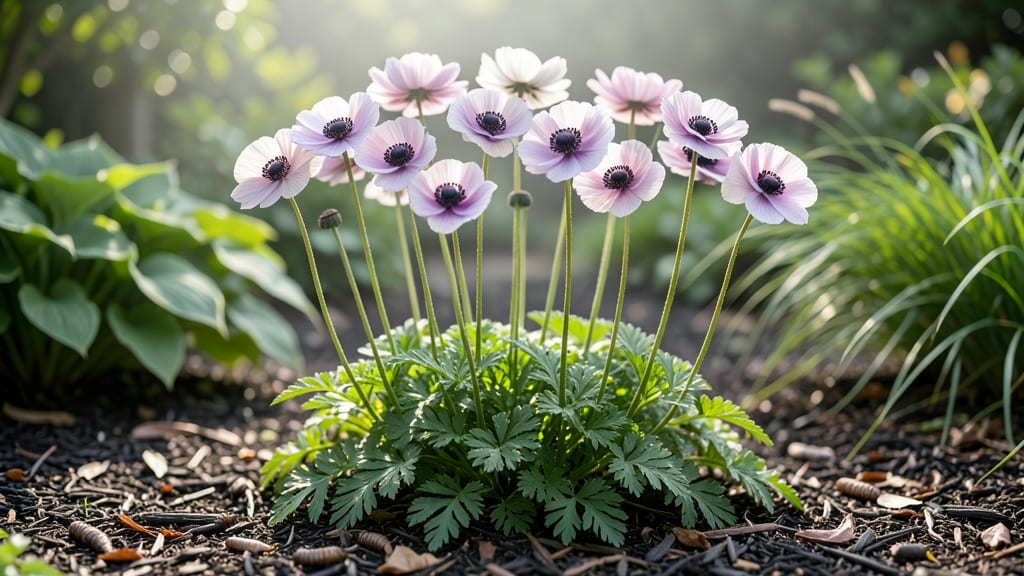
Anemone flowers grow anywhere from 1 to 3 feet tall, depending on the variety and growing conditions—so choosing the right type for your space is everything.
Picture this: a delicate 🌸 Japanese anemone barely brushing your knees, while a bold windflower variety reaches your shoulders, demanding sturdier supports. That’s the beauty (and challenge) of anemones—their height can transform your garden layout overnight.
Most gardeners underestimate how much space these flowers need, leading to overcrowded beds or leggy stems that flop by midsummer. The key? Knowing your varieties—dwarf types stay compact, while giants need room to shine—and adjusting your spacing accordingly.
In this guide, I’ll break down the height ranges of popular anemones, share spacing secrets to keep them thriving, and reveal how to support taller stems without sacrificing those dreamy blooms.

Anemone flower height by variety: compact dwarfs vs. towering giants
Anemones are one of the most versatile flowers in the garden, offering everything from delicate windflowers barely reaching your ankles to Japanese anemones that soar like small trees.
Their height differences aren't just about aesthetics—they determine whether you'll need sturdy supports, plan for multi-tiered borders, or tuck them into container gardens. Understanding these variations helps you create a garden that's both functional and breathtaking.
The most dramatic height shifts occur between woodland anemones (like Anemone nemorosa) and giant Japanese varieties (such as Anemone hupehensis). Even within the same species, dwarf cultivars can stay under 12 inches while their standard counterparts reach 5 feet.
This range makes anemones perfect for everything from rock gardens to backyard statement plants.
Here's how to visualize their growth patterns: Windflowers grow in loose, airy clumps, while Japanese anemones develop thick, woody stems that require seasonal pruning. The de Caen hybrids bridge the gap with their mid-height blooms and prolonged flowering—ideal for cut flower arrangements.
Let's break down the key varieties and their mature heights to help you plan your garden layout.
| Variety | Mature Height | Growth Habit | Best For |
|---|---|---|---|
| Windflower (Anemone blanda) | 6-12 inches | Low-mounding clumps | Rock gardens, woodland edges |
| Wood Anemone (Anemone nemorosa) | 12-18 inches | Spreading rhizomes | Shady borders, naturalized areas |
| Dwarf Japanese (Anemone × hybrida) | 2-3 feet | Upright stems, bushy | Container gardens, small borders |
| De Caen Hybrid (Anemone × hybrida 'Honorine Jobert') | 3-4 feet | Tall, sturdy stems | Cut flowers, back borders |
| Japanese Giant (Anemone hupehensis) | 4-5 feet | Woody stems, clumping | Garden focal points, tall borders |
| St. Bruno (Anemone hupehensis 'St. Bruno') | 5-6 feet | Very tall, dramatic | Large gardens, statement plants |
The windflower varieties (Anemone blanda) are the compact dwarfs of the anemone world, perfect for rock gardens or woodland plantings where you want low-growing color.
Their 6-12 inch height makes them ideal for underplanting shrubs or border edging. These types bloom early in spring, providing early-season interest before taller perennials take over.
On the opposite end, Japanese giant anemones like Anemone hupehensis 'St. Bruno' can reach 6 feet or taller, making them statement plants for backyard focal points. Their woody stems require seasonal pruning to maintain health, and they thrive in moist, well-draining soil with partial shade.
For these varieties, sturdy supports or clustering in groups of 3-5 plants helps prevent flopping.
My personal favorite for mid-height borders is the de Caen hybrid series, particularly Honorine Jobert, which grows to 3-4 feet with prolonged blooming from late summer into fall. These varieties are cut flower superstars because their stems stay
Optimal garden spacing for anemones: avoid crowding and overgrowth
Proper garden spacing for anemones isn't just about aesthetics—it directly impacts their health and bloom production. Overcrowded anemones compete for nutrients and sunlight, leading to stunted growth or weak stems that flop over.
The key is understanding each variety's mature size and spacing needs to create a thriving, low-maintenance flowerbed.
Most anemones thrive with 12-24 inches of space between plants, but this varies by type. Tall varieties like Japanese anemones need more room to avoid leaning, while dwarf types can handle closer spacing. Sunlight exposure also plays a role—partial shade reduces competition but still requires careful planning to prevent overgrowth.
Numbered Highlights: Essential Spacing Rules for Anemones
For tall anemones, like Japanese varieties, add stakes or supports if spacing is tight. These plants can reach 3 feet tall and benefit from air circulation to prevent fungal diseases. Pair them with companion plants like ferns or hostas to fill gaps without competing for space.
When planting, dig holes twice as wide as the root ball to encourage root spread. Amend the soil with compost to improve drainage, which is critical for preventing root rot in crowded conditions. Mulch around plants with organic matter to retain moisture and suppress weeds that compete for nutrients.
If your garden has limited space, opt for dwarf anemones or prune tall varieties lightly after blooming to control height. Regularly check for overgrowth signs, like yellowing leaves or sparse blooms, which indicate it's time to thin out crowded clusters.
With the right spacing, your anemones will thrive, producing vibrant blooms from summer to fall with minimal effort. Remember, a little extra space now means fewer headaches—and more flowers—later in the season! 🌸