
Flowers
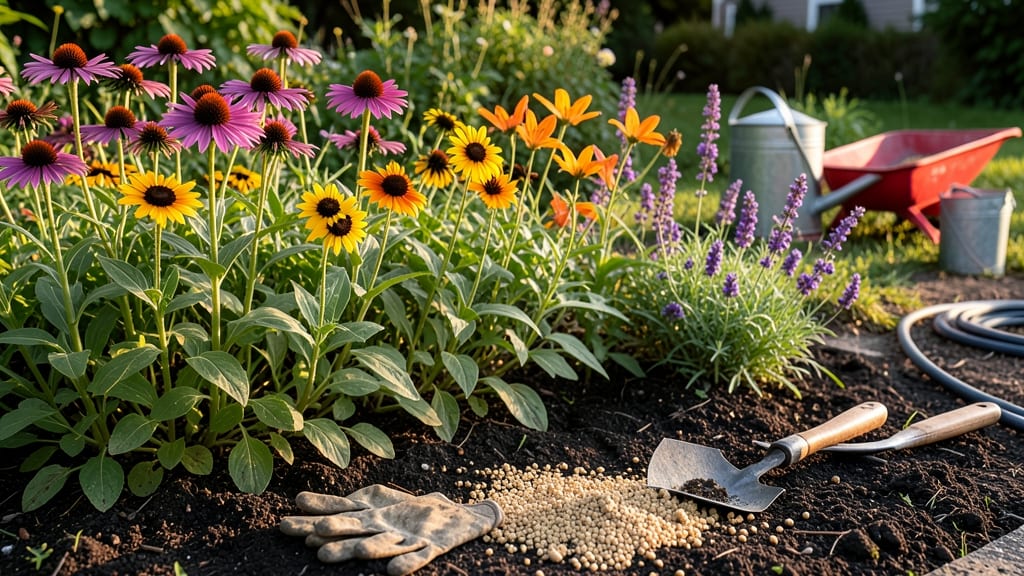
Fertilizing flower beds at the right time can transform your garden from lackluster blooms to a showstopping display 🌸 — but timing matters more than you might think.
Many gardeners reach for the fertilizer when they spot the first yellow leaf, only to end up with burnt roots or wasted nutrients. The truth? Over-fertilizing in summer can stress plants, while skipping spring feeding means missing the prime growth window.
I’ve made both mistakes, and the difference in my 6a zone flower beds is night and day.
In this guide, I’ll break down the best seasons to fertilize—spring for a growth boost, summer for light touches, and fall for pre-winter prep—plus how to read your plants’ signals before reaching for the bag.
Whether you’re working with annuals or perennials, you’ll learn exactly when to feed and when to hold back.
Ready to feed your flowers the right way? Let’s dive into the seasonal schedule that keeps your garden thriving year-round without the guesswork.

Best seasons to fertilize flower beds for maximum blooms
Timing your fertilization schedule is the secret to lush, continuous blooms in your flower beds. Unlike vegetables, flowers thrive on a balanced nutrient approach—too much fertilizer at the wrong time can actually reduce blooms while too little leaves plants struggling.
The key lies in understanding how seasonal growth patterns differ between annuals and perennials, and when to give your plants that extra nutritional boost without overdoing it.
Most gardeners make the mistake of fertilizing only in spring, but your flower beds actually need strategic feeding throughout the growing season. Think of it like feeding a child three healthy meals a day—too much at once causes problems, but consistent nourishment leads to strong, vibrant growth.
Let's break down the optimal timing for each season, including early-season prep and late-season boosts that set your flowers up for next year's success.
| Season | Plant Type | Best Time to Fertilize | Fertilizer Type | Key Notes |
|---|---|---|---|---|
| Early Spring | Perennials | Late March (after last frost) | Balanced (10-10-10) | Stimulate root growth before blooming |
| Spring | Annuals | April-May (planting time) | High Phosphorus (5-10-5) | Encourages abundant blooms |
| Mid-Summer | All Flowers | June-July (after first flush) | Light dose (5-5-5) | Prevents leafy growth over blooms |
| Late Summer | Perennials | August (6 weeks before frost) | Organic (compost/manure) | Strengthens roots for winter |
| Fall | Annuals | September (if extending season) | Slow-release | Supports late-season blooms |
Spring is your most critical fertilization window because it's when your plants wake up from dormancy and begin their active growth phase. For perennials, I recommend applying a balanced fertilizer like 10-10-10 as soon as you see new shoots emerging—typically late March in Zone 6a.
This jumpstarts root development, which directly translates to more robust blooms later in the season.
Annuals, on the other hand, need a phosphorus-rich fertilizer like 5-10-5 at planting time in April or May. Phosphorus is the nutrient responsible for flower production, so this early boost ensures your marigolds, zinnias, and petunias will put on their best show.
Pro tip: Mix the fertilizer into the soil during planting rather than applying it on top to prevent root burn.
Mid-summer is often overlooked, but this is when your flowers need a gentle nutritional refresh. After the first major bloom cycle—usually around June in most climates—apply a light fertilizer like 5-5-5. This prevents your plants from focusing on leafy growth instead of producing flowers.
Think of it as giving your plants a light snack rather than a full meal to maintain that perfect bloom-to-foliage ratio.
Late summer is actually a great time to prepare perennials for next year's growth. Around August in Zone 6a, switch to organic fertilizers like compost or well-aged manure. These provide slow-release nutrients that strengthen roots without encouraging tender new growth that might not survive winter.
This is also when I recommend top-dressing your beds with an inch of compost to improve soil structure for next spring.
Fall fertilization depends on your goals. If you're growing cool-season annuals like pansies or snapdragons, a light application of slow-release fertilizer in early September can extend their blooming season. However, for most perennials, it's best to stop fertilizing 6 weeks before
Signs your flower beds need fertilizing (and when to avoid it)
Your flower beds might be silently begging for nutrients—yet many gardeners miss the subtle clues. Yellowing leaves, stunted growth, or sparse blooms are classic red flags that your plants are hungry.
But before reaching for that fertilizer bag, I always check for over-fertilization risks like leaf burn or salty soil crusts. The key is balancing these signals with soil health first.
Don’t assume every struggling plant needs feeding. Some issues—like root rot or pests—require completely different fixes. I’ve learned the hard way that dumping fertilizer on stressed plants can worsen problems by disrupting root systems. Always start with a soil test to understand what’s truly missing before adding nutrients.
✅ When to Fertilize Flower Beds
I’ve noticed perennials often need less frequent feeding than annuals. For example, my daylilies thrive on just one spring application, while petunias demand monthly top-ups. Always match your fertilizer type to the plant’s needs—high-phosphorus blends for blooms, balanced NPK for general growth.
Watch for these over-fertilization signs: crispy leaf edges, white salt deposits on soil, or plants wilting despite moist soil. These mean you’ve gone too far. My rule?
If your plants look like they’re burning at the tips, flush the soil with water and hold off on feeding for at least 6 weeks.
Before adding nutrients, I always run through this quick soil health checklist: ☑️ Test pH (most flowers prefer 6.0-7.0) ☑️ Amend with compost if soil feels compacted ☑️ Check moisture retention (dry soil needs organic matter) ☑️ Remove weeds competing for nutrients
Remember: Healthy soil = healthier plants that need fewer supplements. I’ve found that mulching with straw or shredded leaves in late summer provides slow-release nutrients naturally. This approach cuts my fertilizer use by nearly 50% while keeping blooms lush.
When in doubt, observe your plants for 2-3 weeks after feeding. If growth improves without new fertilizer, your soil was likely just lacking organic matter rather than specific nutrients. Patience and soil prep often work better than quick fixes!