
Planting
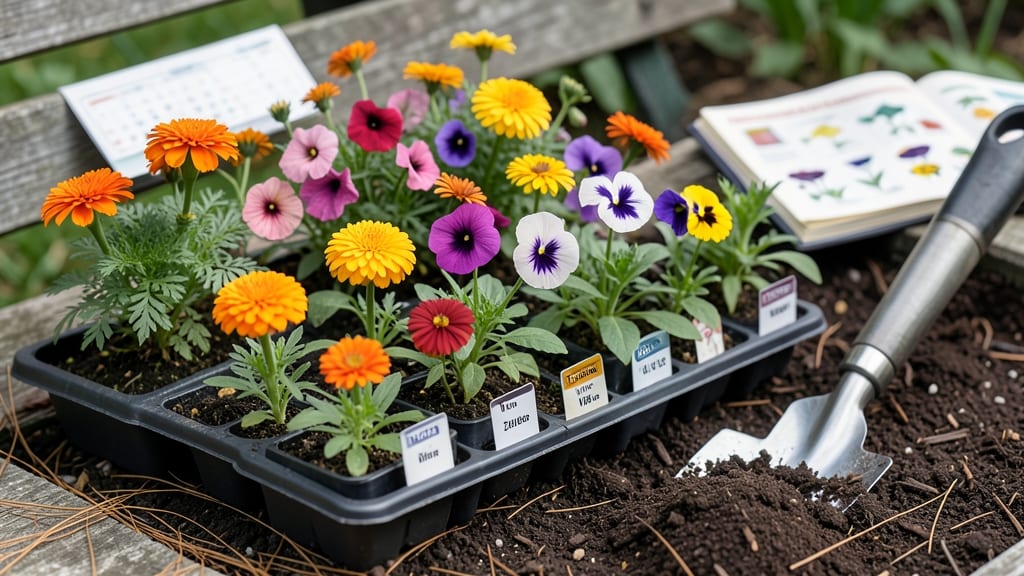
The best time to plant flowers outside depends on soil temperatures and your local frost dates — a 60°F trigger is the key to fast root growth and vibrant blooms.
Picture this: you’ve spent weeks waiting for the perfect moment, only to rush them into cold soil and watch them wilt before they even take hold. It’s a heartbreaking cycle, but the fix is simpler than you think.
Flowers 🌸 thrive when planted after the last frost, but timing varies by type: annuals need warm soil, perennials can handle cooler temperatures, and bulbs often prefer fall. In USDA Zone 6a, that means aiming for late April or early fall.
Here’s what you’ll discover: how to read soil temperatures like a pro, the fastest ways to prep your garden bed, and why a two-week window can mean the difference between a garden that shines and one that struggles.
Optimal soil temperature ranges for planting flowers by type
Getting the soil temperature right before planting flowers is like setting the stage for a Broadway show—get it wrong, and your blooms won’t perform. Most flowers need warm soil to establish roots quickly, but some thrive in cooler conditions.
The key is understanding your USDA zone and the specific needs of each flower type.
In cooler climates (USDA zones 3-6), wait until the soil reaches at least 50°F (10°C) for most flowers. Warmer zones (7-10) can plant when soil hits 60°F (15°C) or higher. Tropical flowers often need even warmer soil, around 70°F (21°C), to avoid shock.
Annuals like marigolds and zinnias are the most forgiving—they sprout quickly in soil as low as 55°F (13°C). Perennials, however, often need warmer soil (60-65°F or 15-18°C) to prevent rot and ensure strong root systems. Bulbs like tulips and daffodils are an exception; they prefer cooler soil (40-50°F or 4-10°C) for fall planting.
| Flower Type | Ideal Soil Temp (°F) | Best Planting Window | USDA Zones | Key Notes |
|---|---|---|---|---|
| Annuals (Marigolds, Zinnias, Petunias) | 55–65°F (13–18°C) | After last frost (spring) or 6–8 weeks before first frost (fall) | All zones (adjust timing) | Fast growers; tolerate cooler soil |
| Perennials (Coneflowers, Lavender, Black-Eyed Susans) | 60–65°F (15–18°C) | Early spring (zones 3–6) or fall (zones 7–10) | 3–10 (varies by type) | Need warm soil for root establishment |
| Bulbs (Tulips, Daffodils, Hyacinths) | 40–50°F (4–10°C) | Fall (6–8 weeks before frost) | 3–9 | Cooler soil triggers blooming cycles |
| Tropical Flowers (Begonias, Hibiscus, Orchids) | 70–75°F (21–24°C) | After all frost risk (spring) or year-round in warm zones | 9–12 | Sensitive to cold; use mulch in cooler zones |
For annual flowers, like my favorite zinnias, I always check the soil temperature first. If it’s below 55°F (13°C), I wait—even if the air feels warm. Cold soil slows germination, and you’ll end up with patchy, weak seedlings. Perennials, on the other hand, reward patience.
Planting them when the soil hits 60°F (15°C) gives their roots time to establish before summer heat sets in.
If you’re in a warmer climate (zones 8–10), you might plant tropical flowers like hibiscus or canna lilies year-round, but always aim for soil temps above 70°F (21°C).
In my USDA zone 9b garden, I’ve learned the hard way that planting hibiscus in cooler soil leads to yellowing leaves and stunted growth. A soil thermometer is my best friend here!
Don’t forget about fall planting for cool-season flowers like pansies or snapdragons. These thrive when soil temps drop to 50–60°F (10–15°C)—perfect for late summer or early fall.
In my garden, I mark my calendar for 6–8 weeks before the first frost to ensure these beauties get a head start before winter.
Regional adjustments matter too. In northern zones (3–6), I often use row covers or wait until late May to plant heat-loving flowers like dahlias. In southern zones (10–12), I might plant fall flowers like mums in early September to avoid the peak summer heat.
The rule of thumb? Soil temp > air temp—always prioritize the ground’s warmth over what the thermometer outside says.
Pro tip: If your soil is too cold, amend
How to test soil temperature before planting flowers outside
Testing your soil temperature before planting flowers is one of the most critical steps to ensure strong root growth and vibrant blooms. Cold soil can shock delicate roots, while too-warm soil may trigger early sprouting that later frost will kill.
A simple soil temperature check helps you plant at the perfect time for your climate zone and flower varieties.
Most gardeners rely on soil thermometers, but you can also use DIY methods if you don’t have one handy. The key is consistency—test at the same time each day, usually in the late morning when soil has warmed up. This ensures accurate readings that match your plants' needs.
Here’s how to test your soil temperature correctly, whether you’re using a professional tool or a simple household item:
If your soil is too cold, wait a few days and retest. Use black plastic mulch or a cloche to warm the soil faster if you’re eager to plant. Conversely, if it’s too hot, plant in the late afternoon to reduce shock.
Pro tip: Keep a soil temperature journal for a week to spot trends. This helps you predict the best planting window for future seasons without guesswork. With the right temperature, your flowers will establish roots quickly and reward you with vibrant blooms all season.