
Flowers
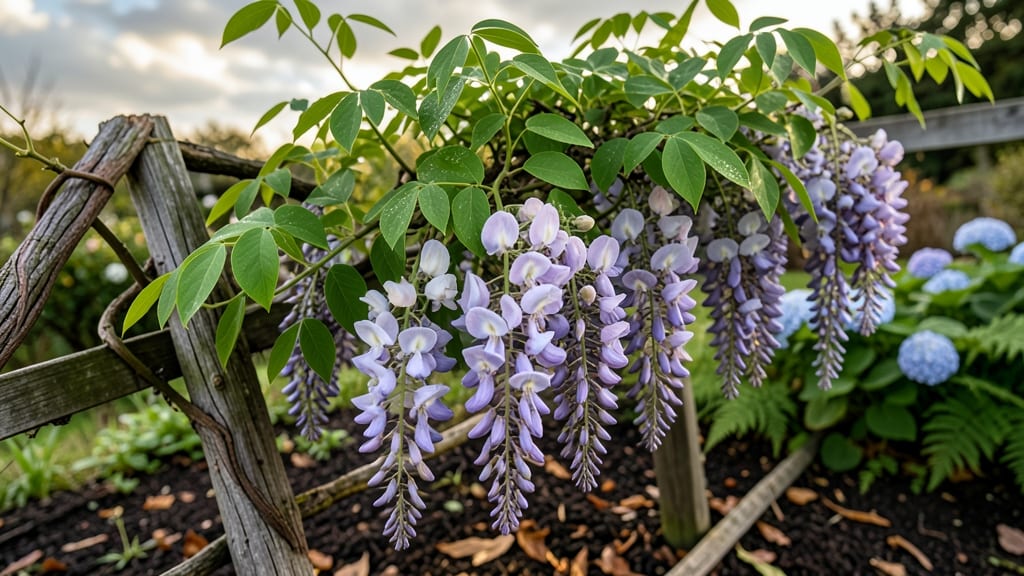
Wisteria flowers bloom in late spring, typically between April and May, when the air fills with their sweet fragrance and cascading clusters of 🌸 transform gardens into dreamy canopies.
If you’ve ever dreamed of a cascading canopy of fragrant purple blooms but missed wisteria’s fleeting spring show, knowing the exact timing could change your gardening game forever.
This isn’t just about waiting for the right month—climate, cultivar, and even your hardiness zone can shift bloom times by weeks. Some varieties, like Japanese wisteria, may burst into bloom as early as March in warmer zones, while Chinese wisteria often waits until May.
Below, I break down the best months to expect flowers by variety, how to read your plant’s cues for early blooms, and simple care tweaks to encourage more abundant—and timely—showers of 🌸.
Wisteria bloom seasons by variety: when to expect flowers
Wisteria’s breathtaking cascades of fragrant blooms arrive like clockwork—but timing varies wildly by variety and region. Whether you’re growing Japanese wisteria with delicate lavender flowers or Chinese wisteria with bold purple clusters, knowing your plant’s bloom window lets you plan trellises, pruning, and even fragrance-filled patio moments.
The key? Understanding each variety’s natural bloom cycle and how your local climate shifts those dates.
Most wisterias bloom in late spring, but some varieties stretch into early summer or even rebloom later. For example, Amethyst Falls wisteria often flowers 2-3 weeks earlier than classic varieties, while Royal Purple may linger into June.
Even within the same zone, microclimates—like a sunny south-facing wall—can push blooms 10-14 days earlier. Let’s break down the month-by-month expectations for five popular varieties so you never miss your wisteria’s grand performance.
If you’re in Zone 6 or 7, most wisterias follow a predictable late April–May timeline, but watch for bud formation in February–March—this is your first clue.
For example, Amethyst Falls often shows buds by mid-March in Southern California, while Royal Purple might not bud until April in New England. Pro tip: Use a gardening journal to track your plant’s bud stage year over year—it’s the best way to predict future blooms.
One common misconception is that wisterias bloom annually without fail, but young plants (under 3 years old) often skip flowering entirely. Even mature vines may produce sparse blooms if they didn’t get enough winter chilling hours (300–600 hours below 45°F).
This is why Zone 9 gardeners sometimes struggle—supplement with artificial chilling or choose heat-tolerant varieties like Am
How hardiness zones affect wisteria flowering times
Your wisteria's bloom timing isn't just about luck—it's directly tied to your USDA hardiness zone. Plants in zone 5 may see flowers in late May, while gardeners in zone 9 could enjoy them as early as March.
This 2-4 week shift happens because wisteria needs chilling hours (300-900) to trigger buds, and colder zones get more of them naturally.
Even within the same zone, microclimates play a role. A south-facing wall can push blooms 1-2 weeks earlier than an open yard. Understanding these patterns helps you plan pruning and extend the show by choosing the right location for your vine.
If you're in zone 5 or 6, your wisteria might need a little help getting those chilling hours. Try moving potted plants to a garage or unheated shed during winter for 2-3 months. This mimics natural cold periods and can advance blooming by 2 weeks the following spring.
For zones 8 and 9, the challenge is often overheating. If your vine blooms too early (like February), it might get damaged by late frosts. Use lightweight row covers or plant near deciduous trees that provide summer shade but allow winter sun.
Remember: Japanese wisteria typically blooms 1-2 weeks earlier than Chinese varieties in the same zone. If you want longer flowering, plant both types—their staggered blooms create a 6-week show instead of a 2-week burst.
🌸 Your local cooperative extension office can provide exact chilling hour data for your area—use it to fine-tune your wisteria's bloom timing like a pro!